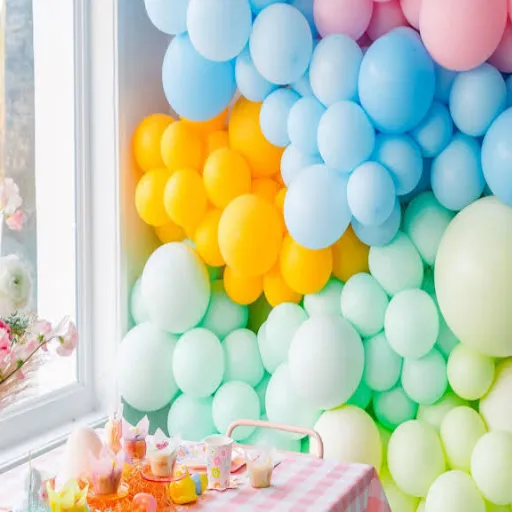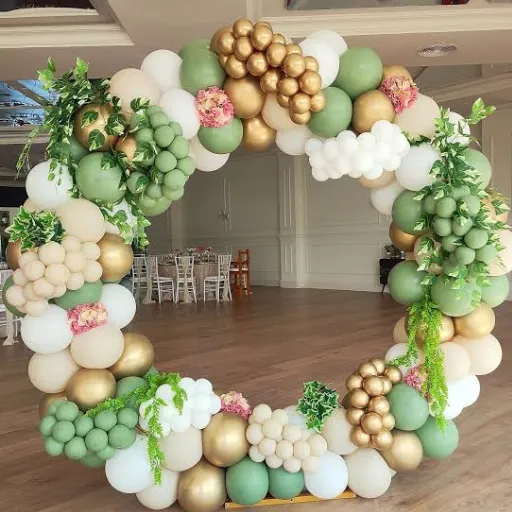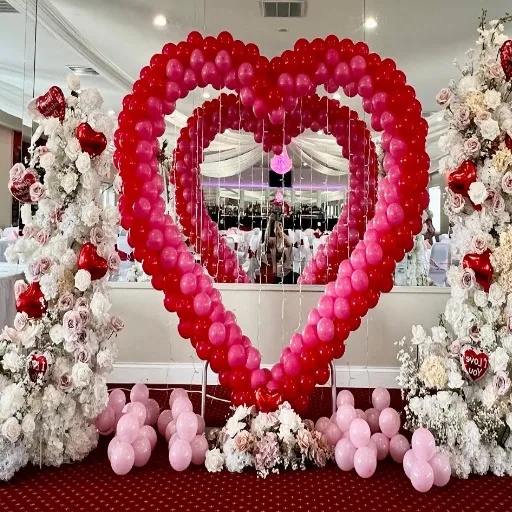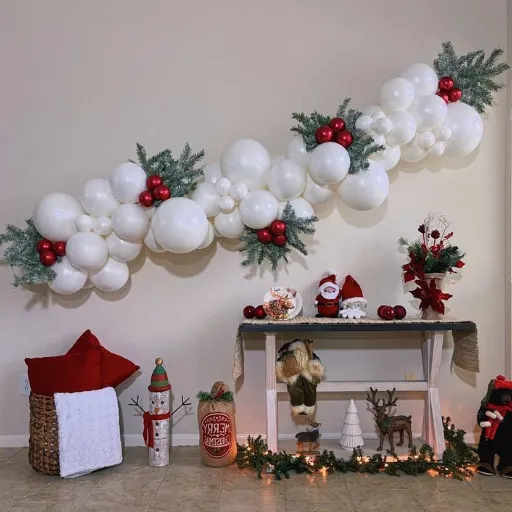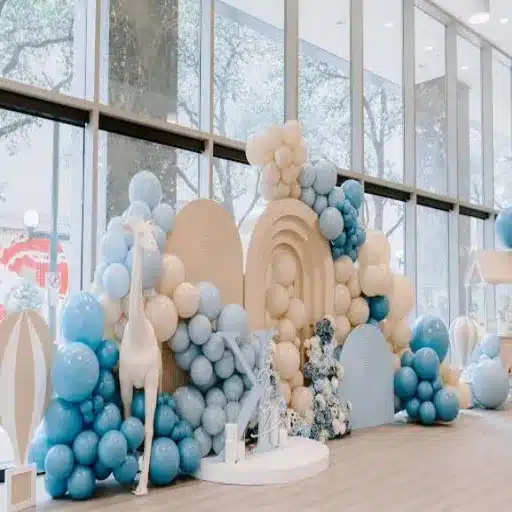
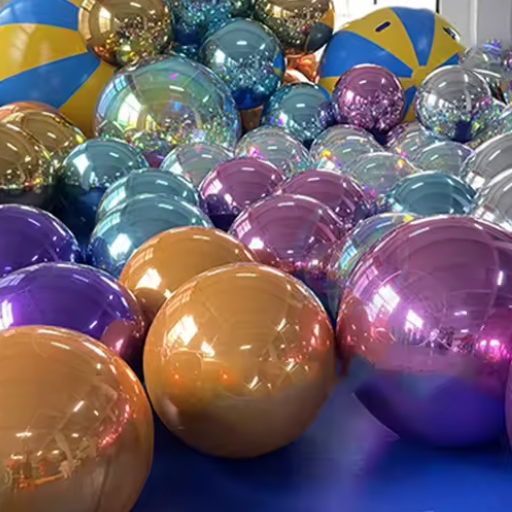

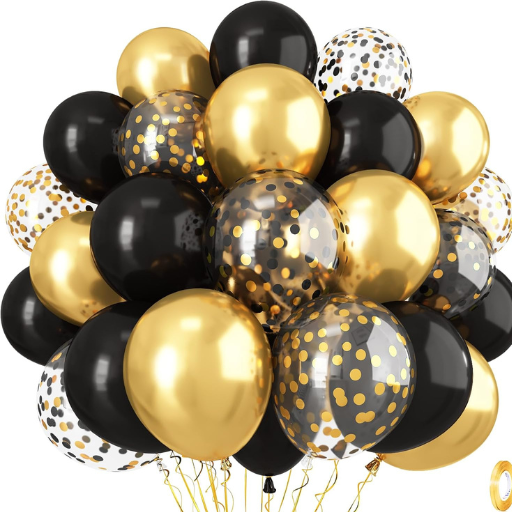

The four foremost sustainable balloon solutions are either biodegradable and green natural latex all-occasion balloons, silent and heat-retaining silicone rescue throw rope and rescue balloons, rice paper flowers balloon sets, and organic plant dyed latex balloons. Each corresponds to a specific and distinct celebration, limitations of available resources, and level of eco consciousness. Accordingly, it is highly necessary to select the correct form because otherwise, you run the risk of spending three to ten times more than you have to.
Let’s Say , Sarah prepared a program to carry out her sister’s spring wedding. It had about 250 guests. She spent more than 3 weeks surveying different sources to find a supplier who could provide them with balloons. All of the suppliers she met tried to persuade her that their products were ‘eco-friendly.’ with the estimated cost varying more than thousand percent, from 200to20to2400. She was completely unable to figure which one was a genuinely ‘sustainable’ and which one was perpetrating sickly and distasteful ‘green washing’. Look familiar?
The sale of sustainable balloons has increased by more than 40% since 2020, however, no one speaks managing the benefits of using sustainability in the right place or, explaining the disadvantages of adopting a particular measure. Intend to tell them all. We have every interest in giving every bit of the business that we are ready to business as a vendor of biodegradable latex balloons for over 5000 event organizers. We’ve tried every kind in the market, and we’ll enlighten you on which types of sustainable balloons support what types of activities in real terms, not just by giving examples of factual prices and real strengths and weaknesses.
The above set is guaranteed that by being exposed to this guide you will establish the fundamentals of selecting benefit deflated post vacuum sustains as well as their distribution and pricing. More importantly, you acquire an immediate reaction and positive response by the majority of the vendors of such balloons, and information on how to separate and distance those who tend to exploit you from the privileged few is also disclosed.
We’re here to help! Feel free to contact our team for more information or support.
Key Takeaways
- Biodegradable natural latex is the best all-purpose sustainable choice for most events at 0.10–0.10–0.40 per balloon in bulk.
- Reusable silicone balloons cost 3–3–15 upfront but pay back environmental and dollar costs after roughly 10 uses.
- Plant-based bioplastics offer foil-balloon aesthetics with industrial composting, ideal for sustainability-focused brand activations.
- Organic naturally-dyed balloons command premium pricing (0.30–0.30–0.80) but fit chemical-free or eco-luxury events.
- Certifications like FSC, Rainforest Alliance, and OK Compost matter more than vague “eco-friendly” labels.
What Counts as a Sustainable Balloon Option?

A sustainable balloon option is a balloon designed to minimize environmental impact through one or more of three pillars: biodegradability, reusability, or certified sustainable sourcing. The “eco-friendly” label alone is not regulated, so smart buyers evaluate specific criteria instead.
Before comparing products, ask these four questions about any balloon you’re considering:
- What’s the material made of? Natural rubber latex, synthetic latex, silicone, or bioplastic each have different impacts.
- What happens at end of life? Composting, recycling, reuse, or landfill all change the math.
- Is sourcing certified sustainable? FSC and Rainforest Alliance verify responsible plantation practices.
- How does cost compare across the lifecycle? Cheap balloons sometimes carry hidden costs in waste fees or replacement.
If a vendor can’t answer all four questions, that’s a red flag. For a deeper foundation on what makes a balloon biodegradable, read our complete guide to biodegradable balloons. For broader context, see our pillar guide on eco-friendly balloons.
The 4 Main Sustainable Balloon Options Compared
Sustainable balloons fall into four practical categories. Each one performs differently in cost, durability, decomposition, and visual style. Here’s how they stack up.
Option 1: Biodegradable Natural Latex Balloons
Material: 100% natural rubber latex tapped from Hevea trees, with no synthetic additives.
Decomposition: 6 months to 4 years under typical outdoor conditions, depending on sunlight, oxygen, and bacteria exposure.
Pros:
- Familiar look, feel, and color range
- Widely available in bulk and retail
- Proven performance for inflation, float time, and durability
- Lowest unit cost among true sustainable options
Cons:
- Single-use; requires responsible disposal
- Slower decomposition in dry or cold environments
- Quality varies dramatically between vendors
Price range: 0.10–0.10–0.40 per balloon in bulk; 1–1–3 per balloon at retail.
Best for: Weddings, birthday parties, corporate events, retail launches, and almost any occasion where conventional latex would normally be used.
Option 2: Reusable Silicone and Durable Latex Balloons
Material: Food-grade silicone or thick-wall reinforced latex engineered for repeated use.
Lifespan: 50 to 200+ uses depending on care, cleaning, and storage.
Pros:
- Lowest per-use environmental impact of any option
- Air-filled designs eliminate helium waste
- Washable, color-stable, and resistant to popping
- Excellent for branded retail displays and recurring events
Cons:
- Higher upfront cost
- Different aesthetic than traditional balloons (heavier, slightly stiffer)
- Limited size range, most options stop around 18 inches
- Storage and cleaning require organization
Price range: 3–3–15 per balloon initial cost; effectively pennies per use after 10+ uses.
Best for: Recurring events, monthly retail displays, schools, classrooms, home decor, and any setting where the same balloon will be set up and taken down multiple times.
Want sustainable balloons custom-printed with your brand? Our team designs reusable and biodegradable balloons for hundreds of corporate clients each year. Explore our custom solutions →
Option 3: Plant-Based and Bioplastic Balloons (Emerging)
Material: Polylactic acid (PLA) or other plant-derived bioplastics, often made from corn starch or sugarcane.
Decomposition: 90 days under industrial composting conditions; will not decompose in residential compost bins or landfills.
Pros:
- Innovative material with a strong sustainability story
- Performs like foil for some shaped or metallic-finish designs
- Strong fit for brands building CSR or eco-marketing campaigns
- Decomposes faster than natural latex when industrial composting is available
Cons:
- Limited availability and fewer color and size options
- Industrial composting facilities are rare in residential areas
- Higher per-unit cost than biodegradable latex
- Quality and material claims vary significantly between manufacturers
Price range: 0.50–0.50–2 per balloon in bulk.
Best for: Sustainability-focused brand activations, eco-marketing campaigns, corporate CSR events, and product launches where the material story matters as much as the visual.
Option 4: Organic and Naturally-Dyed Balloons
Material: Natural rubber latex colored with plant-based dyes such as turmeric, beetroot, indigo, or madder root.
Decomposition: Same as standard biodegradable latex (6 months to 4 years).
Pros:
- Free from synthetic colorants and petroleum-based pigments
- Ideal for guests with chemical sensitivities or allergies
- Supports premium “eco-luxury” event positioning
- Photographs beautifully in natural light
Cons:
- Limited color palette restricted to earthy and muted tones
- Shorter shelf life than synthetically dyed balloons
- Typically 2–3x the price of standard biodegradable latex
- Color variation between batches is normal (some buyers love this; others don’t)
Price range: 0.30–0.30–0.80 per balloon in bulk.
Best for: Eco-luxury weddings, organic-themed events, wellness brands, and celebrations where natural aesthetics and chemical-free messaging matter.
Quick Comparison Table
| Option | Decomposition | Reusability | Price/Unit (Bulk) | Best For |
|---|---|---|---|---|
| Biodegradable Latex | 6 months–4 years | Single use | 0.10–0.10–0.40 | Most events |
| Reusable Silicone | N/A (durable goods) | 50–200+ uses | 3–3–15 | Recurring events |
| Plant-Based Bioplastic | 90 days (industrial) | Single use | 0.50–0.50–2 | Sustainability-forward brands |
| Organic Naturally-Dyed | 6 months–4 years | Single use | 0.30–0.30–0.80 | Premium eco-events |
How to Choose the Right Sustainable Balloon Option
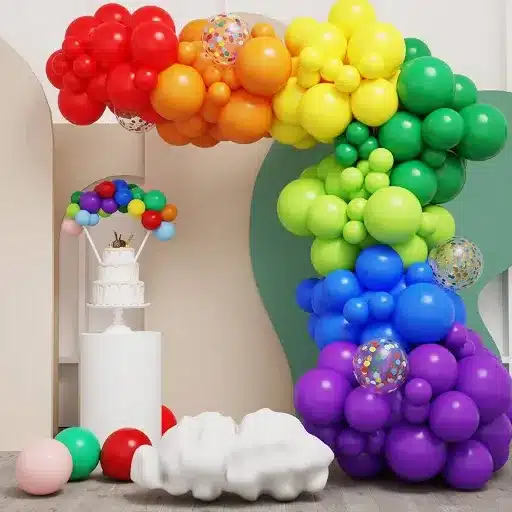
Picking the right sustainable balloon comes down to three questions about your event. Walk through them in order, and you’ll land on the right option in under a minute.
Question 1: Is your event recurring?
If you’ll set up and take down the same display multiple times, monthly retail windows, quarterly meetings, classroom decor, choose reusable silicone. The math works: after roughly 10 uses, you’ve beaten any single-use option on both cost and environmental impact.
Question 2: Do you need foil-balloon aesthetics like metallic finishes or shaped balloons?
If yes, plant-based bioplastic is currently the only sustainable category that delivers that look. Confirm you have access to industrial composting before committing, since residential bins won’t process them.
Question 3: Is “chemical-free” or “organic” core to your event messaging?
If yes, choose organic naturally-dyed balloons. If no, biodegradable natural latex is the practical default for almost every event type.
Here’s a quick use-case cheat sheet pulled from real client decisions:
- Wedding (200 guests): Biodegradable latex, cost-effective at scale with full color range.
- Monthly retail display: Reusable silicone, lowest per-use cost over time.
- Corporate sustainability launch: Plant-based bioplastic, story value matches the messaging.
- Eco-luxury wedding: Organic naturally-dyed, premium positioning, natural aesthetic.
- Children’s birthday: Biodegradable latex, safety, color variety, and budget-friendly.
For event-specific design ideas, see our guides on eco-friendly wedding balloons and eco-friendly balloons for corporate events.
Are Sustainable Balloon Options More Expensive?
Sustainable balloon options range from price-parity with conventional latex to roughly 10 times higher, with most options costing 10–25% more than conventional alternatives. Reusable silicone is the only category with significantly higher upfront cost, but it pays back after about 10 uses.
Here’s a real cost comparison from a recent client decision. When the marketing team at a regional consumer brand launched their sustainability initiative in 2024, they faced this choice:
- Conventional foil balloons: 0.80perballoon×500=0.80perballoon×500=400
- Plant-based bioplastic balloons: 1.20perballoon×500=1.20perballoon×500=600
- Custom branded biodegradable latex: 0.35perballoon×500=0.35perballoon×500=175
They chose the biodegradable plastic for the exhibition because pertaining to the campaign and its values. For the occasion they substituted the biodegradable latex of their own brand and managed to cut expenses by $460 while retaining green promise.
Sticker price is necessary, but what surpasses it is the Total Cost of Ownership. For instance, reusable balloons come with a high upfront price but almost no costs after 10 uses. Plain foil balloons are a bit less expensive but are only after disposal costs are factored in. In addition, there are expensive problems like brand destruction, also legislation in seven states and many countries now ban releasing such balloons into the environment.
Most Trading Shanxi customers find savings through bulk ordering, custom branding (which replaces traditional signage), and reduced post-event waste fees. For full vendor pricing comparisons, see our guide on where to buy biodegradable balloons.
What to Look For When Buying Sustainable Balloons
Most “eco-friendly” balloon claims aren’t regulated. Strong sustainable balloon vendors prove their claims with certifications, transparent sourcing, and clear disposal instructions. Here’s how to vet them.
Certifications that actually matter:
- FSC (Forest Stewardship Council): Verifies responsible natural rubber sourcing.
- Rainforest Alliance: Confirms sustainable plantation practices.
- OK Compost / TUV Austria: Proves compostability claims.
- USDA Organic / EU Organic: Backs organic dye and material claims.
Material transparency red flags:
- Vague “eco-friendly” labels with no specifics.
- “Latex-blend” or “natural-feel” wording, which usually means synthetic.
- No country of origin or manufacturer disclosure.
- Claims of “100% biodegradable in any conditions”, physically impossible for any balloon material.
Quality markers worth asking about:
- Manufacturing transparency: where, how, and by whom?
- Third-party material testing reports.
- Clear disposal instructions provided in the packaging.
- A stated decomposition timeline backed by testing data.
When in doubt, ask the vendor for their certification numbers in writing. Legitimate vendors will share them within 24 hours. Partner with Trading Shanxi Co., Ltd. for innovative balloon products that combine vibrant design, dependable quality, and efficient production service.
Custom Sustainable Balloon Solutions for Brands and Events
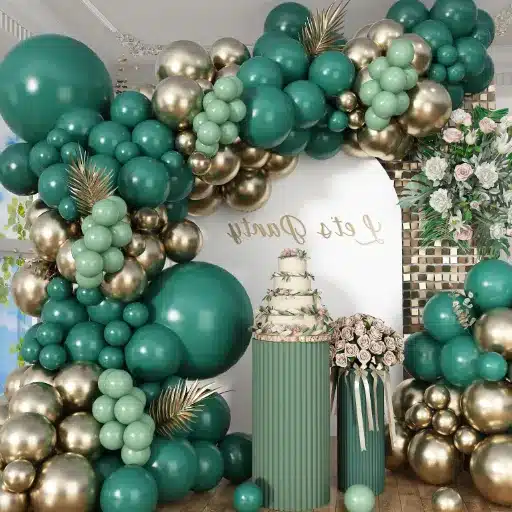
Custom sustainable balloons turn decorations into branded marketing assets while still meeting your environmental goals. Logo printing, custom colors, and shape customization are all possible with biodegradable latex, reusable silicone, and plant-based bioplastic options. Trading Shanxi Co., Ltd. specializes in stylish and durable balloon products tailored to meet the needs of global customers. Contact us to learn more.
Three real customization scenarios from recent corporate projects:
A skincare brand recently launched the use of 2,000 biodegradable latex balloon with their logo printed on it which they ordered the balloons in their signature dusty rose color. The product was for their flagship store opening and this cost $0.45 per balloon, regardless the custom printing. At the end of the ceremony, the balloons which were not used were sent for compaction in a compost within a facility operated by the local authority.
Trade show with reusable silicone: A B2B software company
Spending $4,500 on recycling 300 silicone balloons with branding is seriously a great deal. These balls are also generally used 6 times a year at trade shows, and that reduces the cost per use to only about $2.50 per balloon. That comes to 18 original events in the business within a three-years period.
A CSR initiative was implemented using plant-based biodegradable bioplastic since where a particular product that is a brand part applied a production of 1500 bioplastic balloons for its annual sustainability conference. Among the many features of the brand this was a key point of message hence a rationale for the cost: $1.50 each.
Trading Shanxi serves over 5,000 event planners and ships to more than 50 countries, with full custom design support for brands of any size.
Ready to plan a custom sustainable balloon project? Request a quote → and our design team will respond within one business day.
Sustainable Balloon Disposal: Closing the Loop
How you dispose of sustainable balloons matters as much as which ones you buy. Here’s the quick disposal guide for each category. For the full step-by-step process, read our responsible balloon disposal guide.
- Biodegradable latex: Pop indoors, then compost or place in general waste. Never release outdoors.
- Reusable silicone or durable latex: Clean and store after each use. At true end of life, return through manufacturer recycling programs.
- Plant-based bioplastic: Industrial composting only. These will not decompose in residential bins or landfills.
- Organic naturally-dyed: Same as biodegradable latex.
Critical reminder: “Biodegradable” does not mean “release-safe.” Even fully natural latex balloons can harm wildlife if released outdoors before they decompose. Pop them, sort them, and dispose of them responsibly.
Frequently Asked Questions
What is the most sustainable balloon option?
Reusable silicone balloons have the lowest per-use environmental impact when used 10+ times. For single-use scenarios, biodegradable natural latex from FSC-certified sources is the most sustainable practical choice for most events.
Are sustainable balloons as durable as regular balloons?
Yes. High-quality biodegradable natural latex balloons match the float time, color vibrancy, and inflation reliability of conventional latex. Reusable silicone exceeds them in durability but feels different.
Can sustainable balloons be filled with helium?
Biodegradable latex, organic naturally-dyed, and most plant-based bioplastic balloons can be filled with helium. Reusable silicone balloons are typically air-filled and designed for arrangements rather than floating.
How long do sustainable balloons last at an event?
Helium-filled biodegradable latex balloons stay inflated for 10–14 hours indoors. Air-filled balloons of any sustainable type last several days to several weeks. Reusable silicone balloons can hold their shape for years between uses.
Are reusable balloons worth the higher upfront cost?
For recurring events, yes. The break-even point is typically around 10 uses. After that, reusable silicone balloons cost less per event than any single-use option and have a smaller environmental footprint.
Where can I buy bulk sustainable balloons?
Look for manufacturers with transparent sourcing and recognized certifications like FSC or OK Compost. Trading Shanxi offers bulk biodegradable, organic, and custom options with global shipping to 50+ countries. Read our vendor evaluation guide for full criteria.
Do sustainable balloons come in custom colors and prints?
Yes. Biodegradable latex offers the widest color and printing range. Plant-based bioplastic supports custom shapes and metallic finishes. Reusable silicone supports custom logos and color matching. Organic naturally-dyed balloons are limited to earthy palettes.
Are plant-based balloons better than biodegradable latex?
Not universally. Plant-based bioplastic balloons decompose faster but only with industrial composting access. Biodegradable latex is more accessible, cheaper, and proven across more event types. Choose based on your composting access and material story needs.
The Bottom Line on Sustainable Balloon Options
Sustainable balloon options no longer mean compromising on style, performance, or budget. Here’s the recap:
- Biodegradable natural latex is the practical default for most events.
- Reusable silicone wins for recurring events and retail displays.
- Plant-based bioplastic delivers the eco-marketing story when the messaging matters.
- Organic naturally-dyed latex fits eco-luxury and chemical-free positioning.
To host an environmental friendly event that is best of harmonic balance, there are three main things to consider: the frequency of use of the required balloon, the necessity of having this balloon in a given sum and, if needed and at what ratio, the general set of materials, and finally the general sustainability story of the balloon in use. Go through the guidance questions, and we assure you, you will find the right product for your occasion without overspending or underrating its quality.
The sustainable balloon market is growing at a rapid pace. New bio-based materials are being introduced every few months, certification norms are getting stricter and customer demand is increasing. Keep this guide on the bookmark for the next quarterly report.
Ready to make your celebration sustainable? Browse our biodegradable balloon collection or request a custom sustainable design for your next event. Our team will help you pick the right option, source the right certifications, and deliver on time, anywhere in the world.