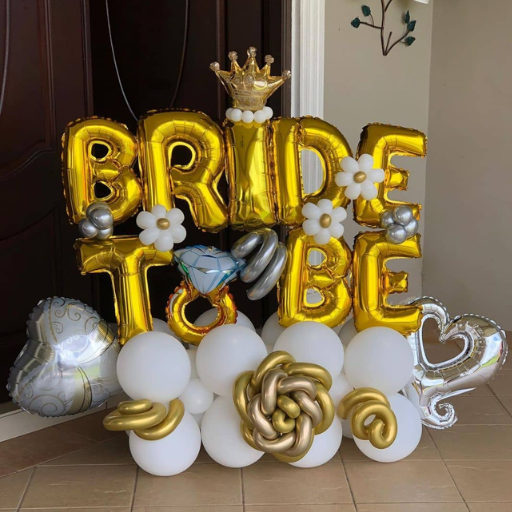

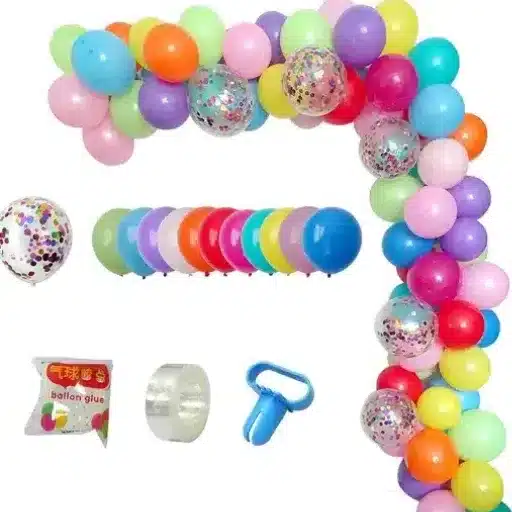
A sagging balloon garland is almost always a support problem, not a balloon problem. Before you tear it down, check your anchor points, tighten the strip, and add filler balloons, because most garland failures are fixable in under ten minutes with the right technique.
Balloon garlands look magical when they first go up. Then reality sets in. Within an hour, the middle starts to droop. By morning, a few balloons look deflated. Right before guests arrive, a section falls off the wall. If any of this sounds familiar, you’re in the right place. This balloon garland troubleshooting guide covers the eight most common problems, explains exactly why each one happens, and gives you the fastest fix for every situation. You’ll also learn simple prevention habits so your next garland stays flawless from setup to the final photo.
Key Takeaways
- Sagging garlands need more anchor points and tighter ribbon, not more balloons alone.
- Gaps and sparse areas are fixed with small filler balloons and glue dots, ideally using a 60% large, 30% small, 10% extra-large size mix.
- Popping is usually over-inflation or low-quality latex; inflate to about 90% capacity and use commercial-grade balloons.
- Overnight deflation comes from latex porosity, temperature drops, and old or oxidized stock, so inflate close to event day.
- A falling garland is a surface-prep problem; clean walls, space hooks every few feet, and use a taut fishing line for heavy designs.
Why Balloon Garlands Fail (Before the Fixes)
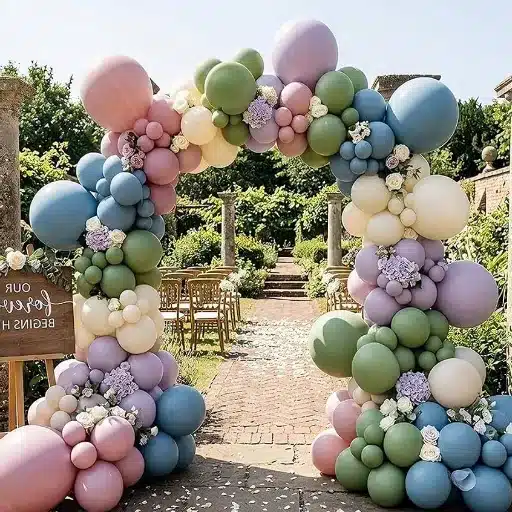
Understanding the root cause makes every fix easier to remember. Almost every balloon garland problem traces back to one of four things.
- Gravity and anchor shortage. A 10-foot garland hung from only two end points will sag in the middle. The weight has nowhere else to go.
- Over-inflation. Balloons pumped to their absolute limit become thin, fragile, and oddly shaped. They pop easily and stop nesting together.
- Latex porosity and age. Latex is naturally porous. Air slowly escapes, and old or oxidized balloons lose air faster. Sunlight and heat speed this up dramatically.
- Temperature swings. Cold air shrinks balloons overnight, making them look deflated. When the temperature rises again, stressed latex can pop.
Keep these four causes in mind. You’ll notice nearly every problem below is a variation on them, and every prevention tip targets one of them. Connect with Trading Shanxi Co., Ltd. for creative balloon garlands in customized sizes and colors.
8 Common Balloon Garland Problems (and How to Fix Them)
Problem 1: Balloon Garland Sagging or Drooping
Why it happens: Too few anchor points, a stretched balloon strip, or oversized balloons placed where they can’t support their own weight. A garland with hooks only at the two ends has no way to hold up its middle sections.
How to fix it:
- Add Command hooks or painter’s tape every few feet along the garland, not just at the ends.
- Tighten the ribbon or fishing line that secures each section to its hook. Pull the section up and re-tie.
- Cluster extra balloons at the base of the garland to add weight and balance.
- Place your largest balloons at the support points so they act as structural anchors, with smaller balloons filling the space between.
How to prevent it: Plan your anchor points before you inflate a single balloon. Mark where each hook will go, then build your garland in 3 to 5 foot sections so each section gets proper support. It’s a simple step that saves you the sagging scramble later. Our complete balloon garland tutorial guide walks through the anchoring process step by step.
Mia learned this the hard way at her daughter’s fourth birthday. She spent two hours building an 8-foot garland, then hung it from just two Command hooks at the ends. Forty minutes later, the middle sagged into a sad U shape right above the cake table.
Two extra hooks, a few tightened ribbons, and some filler balloons tucked into the gaps turned it around. Ten minutes of work, and the garland looked better than the original. That’s the whole point: most fixes are faster than you think.
Problem 2: Visible Gaps and Sparse Areas
Why it happens: A size mix with too few small balloons, or balloons attached in a straight line instead of at varied angles. Large balloons leave triangular gaps that reveal the wall behind them.
How to fix it:
- Stick 5-inch filler balloons into the gaps using glue dots. Place one glue dot on the inside of the balloon so the knot hides, then add a second dot to connect it to a neighboring balloon.
- Make mini filler garlands from 260Q modeling balloons and tuck them into sparse sections for quick texture.
- Step back and photograph the garland. Gaps are much easier to spot in a photo than in person.
How to prevent it: Use the professional size ratio of about 60% 11-inch balloons, 30% 5-inch fillers, and 10% 16-inch statement balloons. Aim for 8 to 12 balloons per foot for a lush, gap-free look. The organic balloon garland tutorial shows how a slightly deflated, layered approach naturally eliminates gaps.
Problem 3: Balloons Popping
Why it happens: Over-inflation, heat or direct sunlight, sharp surfaces, and thin cheap latex. A balloon inflated past about 90% of its capacity stretches the latex beyond its safe limit.
How to fix it:
- Release a little air from over-inflated balloons before they fail.
- Move the garland out of direct sunlight and away from heat sources.
- Replace popped balloons with spares. Always inflate 10 to 15 percent extra so pops won’t ruin your design.
Here’s the thing about pops: they’re almost never random. Over-inflated latex is thin latex. Keep a spare bag ready and you’ll swap a popped balloon in seconds.
How to prevent it: Inflate until firm but not tight, and buy commercial-grade latex instead of dollar-store options. Balloons with thicker latex resist micro-pops and temperature changes far better. Cheap balloons simply won’t hold up. Browse our latex balloon collection to see the quality difference that prevents this problem in the first place.
Problem 4: Balloons Deflating or Shrinking Overnight
Why it happens: Latex is porous, so air escapes gradually. That’s why even fresh balloons shrink a little each day. Old or oxidized balloons lose air much faster, and a cool night causes the air inside to contract and shrink.
How to fix it:
- Retie loose knots with a double knot and give the neck a twist for a secure seal.
- Replace visibly shriveled balloons. Don’t wait for them to fail.
- If the garland is outside, bring it indoors overnight or set it up close to event time.
How to prevent it: Inflate the day of the event whenever possible, store balloons away from heat and sunlight, and check your stock for a chalky or powdery surface, which signals oxidation. Air-filled garlands made from fresh quality latex can last two weeks or more indoors. Our guide on how long balloon garlands last covers timing and storage in detail.
David’s baby shower garland is a perfect warning. He inflated everything three days early to save time, using stock that had sat in a warm garage all summer. By the afternoon of the event, half the balloons had shriveled into wrinkled shapes. He replaced the worst of them with fresh latex inflated that morning, and the garland looked full and stayed that way through the whole party.
Problem 5: Garland Falling Off the Wall or Not Staying Up
Why it happens: Surfaces that weren’t cleaned, adhesive applied to dust or moisture, or a garland too heavy for the hooks holding it.
How to fix it:
- Remove and reapply Command strips on a surface wiped clean with rubbing alcohol and left to dry.
- Run a taut fishing line across the top of the area and attach the garland to it. This distributes weight across the whole span.
- Use zip ties for poles, railings, and frames, and wall anchors or small nails for multi-day installations.
How to prevent it: Space your hooks every few feet rather than relying on the two ends, and give the finished garland a gentle tug to confirm everything is secure. It’s worth a read before your next install. Our command hooks for balloon garland guide explains the exact hook spacing and weight limits to use.
Problem 6: Balloons Turning Dull, Discolored, or Oxidized
Why it happens: Age and UV exposure. Latex oxidizes and becomes brittle over time, and direct sunlight fades colors and dulls the finish.
How to fix it:
- Replace the affected balloons; oxidized latex won’t recover.
- For outdoor setups, swap in UV-resistant or heavier balloons and keep the garland shaded until guests arrive.
How to prevent it: Store balloons in a cool, dark place and rotate your stock; it’s the easiest way to avoid dull, brittle batches. Properly stored latex stays fresh for two to three years, while balloons kept in heat or sunlight can degrade in six to twelve months. Double-stuffing transparent balloons with a matching color inside also keeps the color vivid and even.
Problem 7: Garland Damaged in Transport or Setup
Why it happens: Balloons compressed into tight bags, rough handling, or garlands assembled far from the venue and moved while built.
How to fix it:
- Bring a touch-up kit with spare balloons, glue dots, and a hand pump.
- Rebuild only the damaged sections rather than the whole garland.
How to prevent it: Build the garland on-site whenever possible, or transport it on a rigid frame. If you must move a finished garland, support it from underneath and never stack heavy items on top. You’ll save yourself an afternoon of rebuilding.
Problem 8: Outdoor Balloon Garland Troubleshooting
Why it happens: Wind, direct sun, humidity, and dew all work against latex. Dew makes balloons sticky, wind pops whole rows, and dark colors absorb heat and fail faster.
How to fix it:
- Add small weights at the base and use a heavier, double-layer balloon installation.
- Use a PVC pipe frame for large outdoor arches and garlands.
- Set up as close to the event start time as possible.
How to prevent it: Expect outdoor garlands to last only a few hours to a couple of days, and use stronger attachments and heavier balloons accordingly. If your event runs late into the evening, plan for the garland to be replaced or refreshed by a professional.
Connect with Trading Shanxi Co., Ltd. for creative balloon garlands in customized sizes and colors.
Balloon Garland Troubleshooting Quick-Reference Checklist
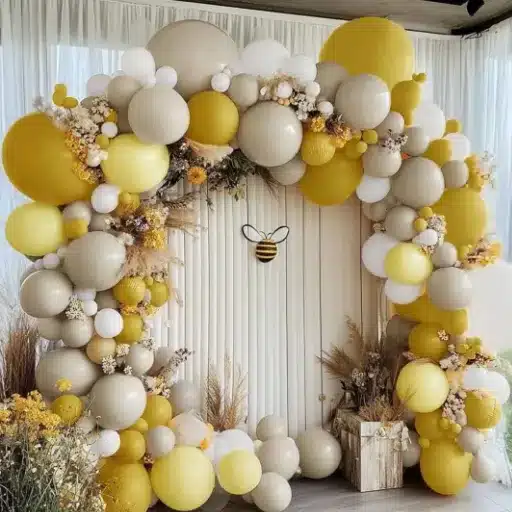
| Problem | Fastest Fix | Prevention |
|---|---|---|
| Sagging | Add hooks every few feet, tighten ribbons | Plan anchor points, build in 3-5 ft sections |
| Gaps | Glue-dot 5-inch fillers into holes | Use 60/30/10 size mix, 8-12 balloons per foot |
| Popping | Release air, move to shade, replace | Inflate to ~90%, use commercial-grade latex |
| Deflating overnight | Double-knot and twist, replace shriveled | Inflate day-of, store in cool dark place |
| Falling | Clean surface, add hooks, use fishing line | Space hooks, test with a gentle tug |
| Oxidized/dull | Replace affected balloons | Store properly, use UV-resistant outdoors |
| Transport damage | Touch-up kit, rebuild sections | Build on-site or use a rigid frame |
| Outdoor failures | Weights, double layer, PVC frame | Set up close to event time |
When to Fix It vs. Start Over
Not every balloon garland problem is worth fighting in place. Use this quick decision rule.
Fix in place when: the issue is one section sagging, a few gaps, or a single popped balloon. These take minutes and cost almost nothing.
Start over (or rebuild the section) when: widespread oxidation, multiple popped balloons, or a collapsed section means more than a third of the garland needs replacement. In that case, take the section down, rebuild it fresh, and reattach it. Trying to patch a heavily damaged garland usually looks patchy no matter how careful you are.
At a spring wedding, the venue team found the outdoor arch garland drooping two hours before the ceremony. Instead of panicking, they tightened the base line, added two weights, and swapped in UV-resistant balloons on the sun-facing side. The garland held through the entire ceremony and every photo. That’s the difference between knowing your fixes and starting from scratch.
For large events where time is short, a professional custom balloon garland can save the day. Our team builds durable, event-ready garlands with commercial-grade balloons that resist the exact problems in this guide.
FAQs: Your Balloon Garland Troubleshooting Questions Answered

Why is my balloon garland sagging?
Your balloon garland is sagging because it doesn’t have enough anchor points or the sections are too heavy for the hooks holding them. Add Command hooks or painter’s tape every few feet along the garland, then tighten the ribbon securing each section. Cluster extra balloons at the base for balance.
How do I keep a balloon garland from falling?
Clean the wall with rubbing alcohol and let it dry before applying Command strips. Space hooks every few feet, not just at the ends. For heavy garlands, run a taut fishing line across the top and attach the garland to it, or use zip ties on poles and frames.
Why do my balloons deflate overnight?
Latex is porous, so air escapes slowly, and a cool night makes the remaining air contract. Old or oxidized balloons deflate much faster. Double-knot and twist the necks, inflate the day of the event, and store balloons in a cool, dark place.
How do I fix gaps in my balloon garland?
Attach small 5-inch filler balloons into the gaps using glue dots. Place one dot inside the balloon so the knot hides, then a second dot to connect it to a neighboring balloon. For the future, use a mix of about 60% 11-inch, 30% 5-inch, and 10% 16-inch balloons to prevent gaps.
How long does a balloon garland last?
An air-filled garland made with fresh, high-quality latex lasts about two weeks or more indoors. Outdoor garlands last only a few hours to a couple of days depending on wind, sun, and humidity. See our detailed guide on how long balloon garlands last for exact timing.
Conclusion
Most balloon garland disasters are preventable, and almost all of them are fixable. Remember the four root causes: anchor shortage, over-inflation, latex porosity, and temperature swings.
When something goes wrong, follow this balloon garland troubleshooting process: work through the eight problems above and keep the quick-reference checklist handy. Resist the urge to tear everything down when a ten-minute fix will do.
Start with prevention. Use quality balloons, inflate to about 90%, plan your anchors, and build close to event time. When you need supplies that hold up, explore our commercial-grade latex balloons designed to resist popping and premature deflation.
And if you’d rather leave it to the experts for a big celebration, contact our team for a custom balloon garland that arrives ready to impress. With quality supplies and this balloon garland troubleshooting guide in your toolkit, your next garland won’t be a troubleshooting story. Build it right, and it will stay gorgeous from the first photo to the last slice of cake. Work with Trading Shanxi Co., Ltd. for reliable balloon garland production and customized event decoration solutions.