

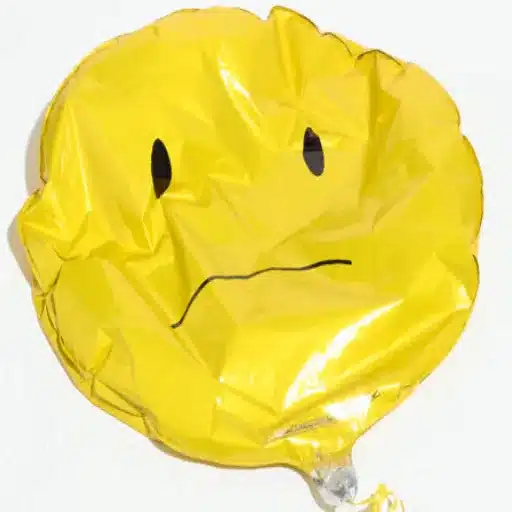
It is no coincidence that organizers and clients pay close attention to balloon decorations while planning holidays and events. Balloons not only serve as great decorative aids but also feature as elegant items that assist in the making of vibrant surroundings. When heard, the question that may come to mind is how it is possible for a balloon to lose its constantly unchanging sphere shape or air even appear deflated when exposed to heat. Such phenomena are not accidental but are based on the fundamental laws of physics that revolve around temperature and pressure. In the book, the need to go back to the past will be greatly satisfied because it sheds light on how temperature affects the performance of in-balance helium balloons. Understanding the physics of thermal expansion, the hermodynamics of gas action and Mass Conservation principle will help us in formulating an answer to this question of why and how balloons behave in extreme temperature conditions, and what remedies can fix the problem. Knowledge of these factors is vital for everyone, from a Twitter-filled, event organization, and painting for special occasions – these people all need their bags of knowledge.
The Science Behind Balloons and Heat
Understanding the Physics of Inflation and Deflation
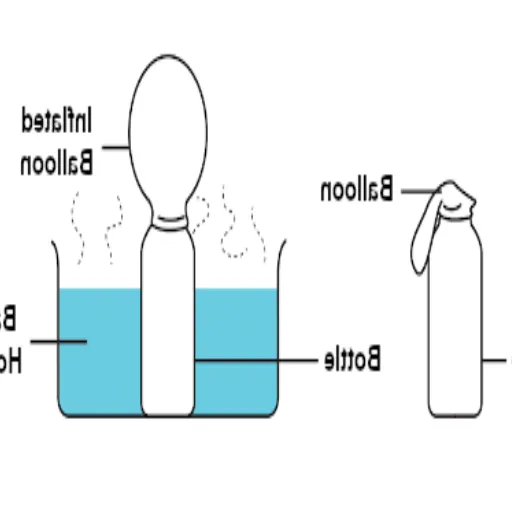
The fault of dealing with physics of inflation and deflation, demands the solution of basic principles of pressure, volume and temperature as understandably derived from the Ideal Gas Law (PV=nRT). Balloons that ere not very hard to touch are normally made from elastic substances like latex or mylar and when the gas molecules are introduced there is an expansion and the inner pressure of the balloons increases and forces the balloons to expand. In contrast, when the gas content is let out or further cooled, there is reduction in the inner pressure hence leading to the collapsing of the material. Another importance is the effects of temperature. This is because when the gas is exposed to heat the movement of the gas molecules would hasten, thereby increasing their pressure and the volume even in boxed conditions while cooling has the remarkably remarkable antithesis. Unfortunately, such a situation leads to practical complications under unfavorable circumstances and that is overinflation under the condition of high temperatures as well as deflation under cold ambient conditions. This fact is a must to understand for trouble-free exploitation of balloons in any conditions of the atmosphere.
How Temperature Affects Balloon Integrity
When subjected to excess heat, elastomers soften and stretch expanding the molecular chain, and if the temperature is beyond the body’s capacity, then the structural integrity could be threatened by tearing. On the other hand, in frigid settings, the molecules lose mobility making it even harder and easy to develop fractures on stressed regions of the material making a balloon.
To manage these risks, the progress of the material engineering has stood out in creating high-elastic-maintaining resistant to high temperatures polymers. Moreover, calculative models are applied in order to tune the thickness and the elasticity of the material while maintaining the altitude of the balloon inside the particular climate condition may be harsh. It is evidently that such ways emphasize the significance of multi-easing advancements in material science with regards to climate change in operational stability in particular temperature environments.
The Relationship Between Pressure and Balloon Behavior
The physics of a balloon under different levels of pressure is one of the most important applications in the gas laws. The gas laws, particularly Boyle and Charles laws govern this activity. According to Boyle’s law, the pressure and volume of a gas are indirectly related when the temperature is constant. This implies that the volume of the balloon decreases with increasing pressure, and increases with decreasing pressure. On the other hand, Charles’ Law states that the volume of a gas increases as the temperature rises, because a decrease in temperature tends to ensure a decrease in the gas volume. The operation principle of these Laws is the reason why balloons are able to take shape even if they deform and go back to their usual shape provided that they did not exceed the limit of the material.these elastic deformation characteristics of the balloons can be attributed to these laws. With the help of the new developments in material science,it is possible to develop strong synthetic polymers which exhibit excellent pressure cycling fatigue life behavior. With further modification of material design with alteration of manufacturing practice, today’s improved balloons do not have weaknesses and are resistant to failure both in leisure and in the industry applications alike.
Factors That Cause Balloons to Deflate

Hot Weather Conditions and Balloon Performance
Balloons are significantly impacted by a high temperature as the gas inside the balloons, as well as the nature of the material used in making them expands and contracts. If you heat up a balloon, the gas inside it becomes expanded leading to increase in pressure within contents of the balloon. If the gas expands further and there are no limits given to this edge, the materials may be overstressed or carried to a failure. This is especially common when the balloon is fully blown up. In addition, another ageing factor for the material of the balloon, especially for latex based balloons is the prolonged exposure to ultraviolet (UV) rays. The polymer chains in these materials begin to be broken down by UV rays thus turning the rubber rigid and increasing its tendency to crack.
Other important reasons include the fact that the gas molecules tend to gradually escape at as the molecular motion at higher temperatures will tend to be more. It should be noted that balloon helium, for example, diffuses through semi-permeable materials quite easily which emanates the in the balloon through the holes additionally causing flaccidity. While advances in contemporary phenomena can promote the quality of balloon production by improving surface properties of the films through the application of several coatings or decoration etc, the knowledge of the physics of the process of heat generation in the material is of importance also in the context of enhancing the ways of maintaining the function of the object at normal temperatures and under high temperatures.
Common Misconceptions About Balloons Popping
Although blowing up a balloon until it pops often results in one thinking that the balloon was over-inflated, leading to the bursting, extra air pressure might not actually be the cause most of times as illustrated before. Adding internal pressure on the balloon may eventually cause it to break apart, but the process is more complicated. The elasticity of the material constituting the balloon, the temperatures of the environment, and even the invisible scratches on the surface of the balloon can somewhat dictate the limits of the bursting capacity of the balloon. For instance, rubber balloons have more elastic properties and this makes them reactive to stresses like temperature changes; such that exposure to even minor sunlight can cause the rubber to beat and stretch due to the conduction of heat; thus impairing its burst-safety-features even without the balloon being stuffed more than the intended amount.
Another common misconception is that only sharp objects puncture balloons. Balloons can also pop due to defects that are inherent in them, such as defects due to errors of man conceiving manufacturing process. They may not be visible to the human eye in most cases; however, these occur patterns within balloons induce deformations, which result in the reduction of mechanical performance. Moreover, such imperfections can be precipitated by a drastic change in the surrounding environment such as a sudden increase in height or atmospheric pressure, a particular feature that encourages a balloon to self-destruct. It becomes important to throw these misconceptions out of the window because it is crucial to the enhancement of balloon designs to meet changing circumstances.
Impacts of Storing Balloons in Hot Cars
When balloons are kept in hot cars, too many changes can take place in the material that are often far-reaching and hard to revert due to the excessive heat. High temperatures hasten the decomposition of latex or any other man-made rubber to create a balloon under thermal decomposition as clear. This effect damage the atomic connections, which makes the material fragileeasily and it is easy to be torn. Furthermore, it often happens that when the car is parked in the sun, temperatures can rise to more than 120 degrees 49 degrees, which increases updated pressure inside the filled balloon smoothly and rapidly. The increase in inflation along with incompetent material structure tends to exploding the balloon before the intended time or causing it to take altered shape. Enclosing a balloon in such a structure results in distorting its useful service life as well as its other conventional amnesties. It is, therefore, impertinent to place balloons in colder, thermostatically controlled rooms so that they do not lose their configuration.
Best Practices for Balloon Decorations in Hot Weather
Choosing the Right Balloons for Outdoor Events
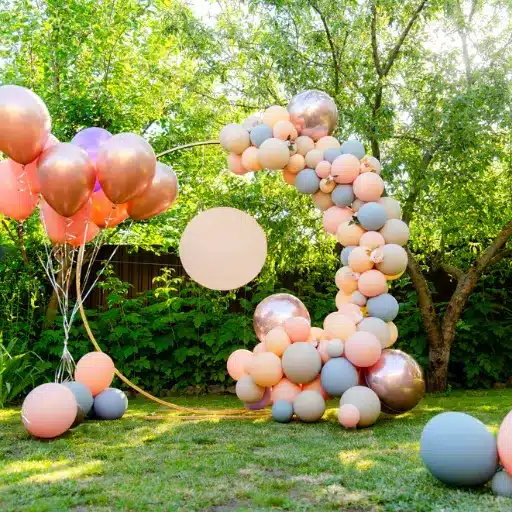
One of the requirements for the outdoor festivities that have been arranged in advance, especially during hot weather, is the quality of the material used to make the balloons. It has been realized that more balloons in latex are more popular in the market because of the price and color, but they expand very quickly and decay even more so when they come into contact with the sun. One solution for that is to use balloons that contain less latex or with UV protection.
On the other hand, foil balloons are effective heat deflectors because they are made from a nylon material that has been vacuum deposited with a metallic reflective material. Their polish and reflective quality prevent the absorption of much of the sunlight, preventing overheating. However, this fact limits the use of foil balloons in some cases, for example when placing them in architectural spaces for extended periods. Los Angeles is classified under Mediterranean; this is according to the Köppen classification system. Strategy. Although the pre-modern concept of garden was native only to the ancient Greeks and Romans, its meaning changed significantly even within these societies. Consequently, water was used as fountains, springs, or streams in gardens, and elements such as statuary, topiary, and hedges were incorporated in garden design such that its use would not deny another person the same benefit. A pristine park was designed that also provided a refuge to the less fortunate and would be free for everyone’s use after it was completed.
Tips to Keep Balloons from Popping in Heat
In case of high temperature, it can be dangerous for the balloons. As exposure of high temperature results to high pressure in the balloon because the gases expand. To combat this, it is important not to overfill the balloon. If a reduction of volume from 90-95% is allowed at this stage, then there is more room for expansion and no risk of leaking. On average, a thick latex or foil made balloon materials are the best for summer activities to avoid overexpansion.
For the reason that people find their fun in outdoors particularly with celebrations and other related activities, the excessive exposure to the sun is avoided by the use of shade in terms of tents or parasols. Also, it might be useful to know that drying low, non-toxic, and anti-UV powder around the balloon can halt the sun’s harmful effects from damaging the latex balloons.
One way balloons can be kept lighter is by making them of colours such as pastel colors as opposed to the darker ones since the latter attract more heat, thus making the balloons heavier. Last but not least, the review of balloons placement in the long-term events will allow identifying and correcting overload areas, which will make them more sustainable during the activity.
Techniques to Inflate Balloons for Longer Duration
Top quality ingredients and methods are a must when inflating balloons if one wants them to last. Utilizing a balloon inflator as opposed to the traditional manual method would help achieve equal pressure inside the balloon which has been found to reduce stress in problematic areas of the balloon. While it might not make sense to some people, it is very important never to inflate a balloon to the point of rupture. Such action is simply bound to happen because the rubber is put to tension and untimely bursting or leakage of the balloon may occur. Again, applying a minor Hi float- a special liquid combination which will eventually strengthen the combination of balloon and a normally produced helium is very effective. It is not always possible to emphasize the importance of using the correct size of latex balloon when working with helium filled balloons or gas since the helium will be wasted most if not all of the time with its smaller capacity compared to the gas. Those are typically provided by Event Organizing companies for enormous displays that are high and for the people who wish to work with Helium inflated balloons which in most cases, go to tree leaves. Such method Whatever ensures more users by guaranteeing that individual balloons do not deflate haphazardly during active events or long maxing classes.
Professional Advice for Event Planners Using Balloons

How Event Planners Can Maximize Balloon Displays
In order to make sure the whole display fallsapart, organizers prefer to alocate time for decoration and planning. More importantly, arranging resources to form ideal decorations may involve the following few steps: designing, selecting supplies, and keeping an eye on the environment. For example, dull balloons or balloons bursting too soon is not the case with high-quality helium or such presents from recycle which will not pose as a danger to the other guests. Crafting oven-shaped balloons in hot and lethesque natured environment will result to fast melting if not loss of buoyancy warp of helium balloons. This is in addition to other props such as doublesize balloons and automatic inflators which are done in order to remove the concept of ugly small balloons in larger concepts and still retain the smaller balloons of same shape and structure in them.
Balloon decorators in order to reduce these concerns often make use of hi-float, balloon sealing devices and other innovative solutions in order to increase the floating time of the balloons and to minimize the chances of balloons deflating before the agreed time. Furthermore frames or balloon supports like walls, columns or arches help in stabilization and enable the decorator to make beautiful designs that attract the eyes of the people at the venue. Still, the exhibitions organizers shall work out an installation design that will not only fit the model space but enchase every detail such as illumination, foot traffic, among other important areas. Certain safety issues, such as potential collapse of a large balloon installation or toppling over must be addressed prior to commencement of the program. And they assist in ensuring that all such installations’ requirements are met or exceeded such that audience safety is guaranteed.
Strategies for Keeping Balloons Inflated Longer
Apart from the use of quality air for filling balloons, another alternative that stands out is the preservation of balloons by the use of materials of high quality. For example, latex balloons are very useful in trapping helium or air but they lose their effectiveness after some time because they have holes in their walls. This challenge can be solved by using Hi-Float and such solutions as they put a treatment coat on the inside of these balloons which helps in keeping the helium loss to a minimum thus increasing their gas retention. One can also choose to go with foil or Mylar balloons which are less gas permeable by natural design.
An additional challenge to maintaining the air in a balloon is due to the surrounding atmosphere. The reason being that interface between the balloon and other matter is behaves as boundaries causing some physical forces to act in unequal fashions. For example; when there is need for heat either to counter or supplement the temperature too low or high for a person but then such heat is not evenly distributed or does not reach all the parties present in the room. For instance, the air in a balloon may over stretch or may have many folds remaining in tension. This would eventually make the balloon raise a flag and then deflate when inflated. So perhaps keeping inflated balloons in cool places with moderate temperature and decency would be the best idea?
Also precise techniques in measurement of the balloon proportions help in achieving the desired longevity. On the other hand, inflating air-filled balloons beyond the recommended levels is very harmful as it weakens the structure causing tears or even complete bursting. When the specific inflation sizes are strictly followed, such consequences are avoided. Considering such technical adaptations is helpful in ensuring that the balloon remains appealing and useful for a longer period as required by the particular event.
Creative Solutions for Balloon Decor in Hot Conditions
To ensure that the balloon decor is able to withstand the high humidity and temperatures, a number of new creative strategies can be employed. Using better quality balloons that are resistant to heatstroke and which are made from materials like foil or special latex rubber will protect the balloons. Adding double-stuffing inside balloons is the process of placing one balloon within another one to absorb the gases and protects it from popping.
Strategic placement of balloon decor is just as important. It is advisable to place the balloons where sunlight will not directly hit the balloons or underneath anything that provides them with shade like canopies. For displays done outside, it is also appropriate to include reflective materials and/or white designs to reduce heat absorption which in turn ensures that the structure of the display remains very resistant.
In order to tackle heat-related deformation in balloons, air filled balloons with a light aluminium frame can be used to replace helium balloons. As a result, artists can use decorative pieces that are fragile and could expand or distort when helium is used. Even in cases where adverse conditions are hardly catered for, specific strategies to do with the components used in the decoration shall ensure that they are effective and do not fall apart. With rigid placement of elements in the room, usage of other materials or practices and bringing about iced or frozen balloons during installation, this idea of decorating balloons can be made in regards to the hot surroundings. The use of such solution allows even event planners to make their events stunning without any doubt as well as without effectiveness and practicality.
Conclusion: Ensuring Your Balloons Stay Inflated

Final Thoughts on Balloon Care in Heat
As a balloon expert, one of my concerns has always been that, balloons will deflate quicker his or for the worse, burst due to high temperatures, so it is important to understand how temperature affects what something is made of. In the process I have also learned that one of the best solutions for this problem is organizing oneself by client. Latex and foil balloons have tendency to expand and since the threat of popping balloons inpossibly high owing to the rising temperatures, the only way to avoid this is to embrace some inflation techniques like slight underinflation. In addition, the use of high-grade balloons that have been used to last longer as well as facilitate the occurrence of a backup balloon in case it fails in relation to other balloons can be applied in very harsh conditions.
Another significantly important factor is positioning. High temperatures are detrimental to balloons most of the time due to the presence of strong, direct sunlight. I usually advise when I can that the balloons be placed where there is no or less exposure to the sun such as under tents. Moreover, I always underscore the necessity of convenient safeguarding during storage—activating temperature controls in a refrigerated space delays the existence of any material-related problems. For managing the outdoor events, balloons decorations or stand decorations with reflective and UV coating can greatly help in that endurance enhancements of the balloons by combatting the heat.
In the end, one important aspect in the handling of balloons for decoration are the other options as in the air-filled balloons as opposed to helium-filled balloons, which can be considered more dependable especially if activities are taking place in structures devoid of immense cold or heat. Because of the fact that helium is a gas which easily expand with the surrounding temperature, it might expand too quickly or be punctured even faster. Applying these tactics and performing regular changes while the event is on, I can efficiently guarantee that the balloon artwork remains decorative even in its usual problematic weather conditions. Sustainability is a feature in today’s balloons care as there are eco degradable substitutes that are under introduction to help cover the divide between the operational and environmental friendliness of these balloons.
Recommendations for Future Events
If only for the sake of the not so distant future festive occasions, such as birthday parties, weddings and corporate functions conventions, I provide a ways in this area that are dictated by the standards of the branch and recent progress. In particular, it should be noted that in many cases the selection of high quality balloons resistant to Tobacco heat waves is rather important. This practice is very advantageous when it comes to the summer months’ outdoor events decor, as use of such colors becomes vibrant. All such problems including premature deflation or bombing will be eliminated by brands such as Crucial air too, along with the purchase of equipment that is designed with balloon materials. In this way, purchase of highly reliable UV protection sprays would be a practice that will increase the lifespan of normal balloons by preventing them from damages by harmful solar rays. These protective coatings significantly cut the losses due to deterioration of the materials used and in so doing improves the looks and the useful life of the items, mainly balloons.
In addition to schedule plans, strategic plans must also answer the question of the most efficient way to blow up and put balloons in the locations. Instead of blowing up the balloons as early as the beginning of the day, it is always better to do so shortly before the event as there is less opportunity for the air to escape and the balloons will appear more intact during the celebration. For outdoor decorations, it is better that the decorations be placed in any shaded or semi shaded areas wherever possible. As this helps in preventing the exposure to sunlight, the excessive heating and cooling of the helium, which are the two main causes of the enlargement of the balloons and the bursting of the inflated ones. For balloon structures it is also recommended to include weighted bases in the design, which provides a great advantage for their stability, especially during random periods of gusty windforces.
Last but not least, it is increasingly recognized that event planning incorporates the use of sustainable materials. Looking into biodegradable latex balloons or venturing into eliminating disposable balloons in general in favor of creative decorations such as fabric drapes or paper lanterns are initiatives that enhance the eco-friendliness of an event without harming the beauty of the event. Insisting on the adoption of such practices demonstrates a concern for environmental conservation as well as the desire to meet the needs of certain tastes in design. It is a credit to those factors that I can make sure that balloon decorations are stunning, eco-conscious, and well-executed for the expected number of attendees, taking into account the special environmental requirements of different sites, and the changing weather conditions.
Resources for Event Planners and Balloon Enthusiasts
To create stunning balloon decorations that can make a difference and are here to stay, one needs to keep up with the trends of this art – new designs, styles and unabated practices – which is why it is especially important these days. For this purpose, online sources, professional contacts and business related reading materials always give me a helping hand. A good example of such sites is Qualatex and Sempertex with their contents containing the information on compostable balloons, technical tips on how to create a unique sleight of hand and recommendations for safe use. Another source of such information is social media groups like Pinterest and Instagram, modeling different compositions and especially for certain activities. Plastic working artists can use this information to further their input in order to provide modern and sustainable designs.
If I am to do demonstrations at higher levels and have detailed insights about the profession, I require more information, such as the training and certification programs from the Balloon Training Academy and so on that of industry experts alike. Resources such as these are important as they help me shape the ways in which I can put up installation that is free standing, highly decorative or nicely different depending on how it is supposed to stand while withstanding the environmental stressors that may be encountered at the job site . Belonging to professional networks, such as membership in industry-related associations or online communities, helps in bringing together one’s skills and knowledge by working with other professionals. Also, it is help in my self- enhancement as well as developing new methods for my clients who can always get the best of the most modern methods and tactics applied in the balloon artistry.
I think what excites me most is how all the market developments that are happening today—such as the already mentioned custom-made shooting and editing software—lead to reduced waste and thus to this profession being appreciatively perceived. Just like in other industries, it is necessary to attain a sufficient level of knowledge in the field and try to maintain relevance.
Reference Sources
- ▪Causal Patterns in Air Pressure Phenomena – Harvard Project Zero.
- ▪Troubleshooting and Treating the Balloon That Fails to Deflate – Penn State University.
- ▪Demos: 2A-09 Two Balloon Surprise – Purdue University.
Frequently Asked Questions (FAQs)
Will my balloon pop if it gets too hot?
Certainly, a gloomy picture emerges: a balloon is likely to pop sooner if it is put in high-temperature conditions or under the hot rays of the sun. This is to do with the fact that the gas or the air or the helium present inside would expand somewhat and will be able to come out via the material or the closing of the ballon. Under heat, the crushing effect is more prominent with latex and aluminium and plastic also is in a disadvantageous position, as latex is again – more elastic and permeable in comparison with mylar – thus helium leaks from latex balloons in larger volumes. In such cases, the molecules in the balloon bounce around, increasing the pressure inside, and the materials of the balloon, such as seams and weak areas, allow some of these molecules to leave the balloon. If you want the life of the balloon to last longer, choose the manufacturing balloons out of high quality latex because they will not be under the sun the whole day. You could opt for air filled balloons or even helium filled balloons with a proper seal and this helps maintain the integrity of the balloons a little longer during outdoor celebrations.
Is there any way that I can make the balloons not burst heat?
If you are looking for ways to prevent balloons from bursting because of heat, do not put up balloon setups directly under the scorching sun and instead try to ease and cover the balloon arches and balloon decors for example at an outdoor event. When balloons are directed to sources of heat, they swell and may result in thinning of a rubber balloon or thinning of a latex balloon which hitherto cannot withstand the heat and as a consequence bursts in the climate. Bursting foil balloons (or mylar balloons) are a little more likely to resist heat as compared to latex, but this can also happen especially where there are seams or at an edge. Use of balloon weights without rubbing or overheating can be achieved by securing balloons in place and possibly not inflating them fully but allowing some levels of expansion. When carrying out such activities, heat exhaustion repercussions should be avoided and one such expert suggests that hot air balloon rides are one such good example of activities which can be enjoyed safely during hot weather.
Will balloons that have helium floats deflate more slowly, or will the balloons which float deflate less quickly?
Primarily, concentration is much heavier than bloated liquid which results in the fact that the balloon tends to lose its level the moment helium begins to seep out of it or expands during heating and contracts in colder atmosphere. The air or the helium enables the rise, or fills up at the surface on which it will not as quickly as lighter helium would molecules does. This is because helium molecules are much smaller leaking off through the material of ng and thus helium inflated balloons would lose their inflation much faster than ones containing air. This can occur when a helium filled balloon is left out on the sun intensively whereupon should it over expand much and explode or lose helium hence the balloons will not appear buoyant. Buy using good balloons and following all the air filing procedures helps decrease the amount of helium that seeps out of the balloons making the floats even better. For better longevity of the floating nature, it might be wise to consider using top quality mylar balloons or one could also use sealants for latex balloons e.g. Hi-float.
Are air-filled balloons better suited for either outdoor or indoor air ballooning during outdoor events?
Air filled balloons are perhaps the preferable option for outward events given that they have no helium gas which is likely to keep leaking due to heat. Air filled balloons hence are at an advantage as regards to heat as the absence of lifting air minimises heat effects on a balloon although balloons may tend to expand and get especially dirty in case of sunlight. The balloon is made up of arches or decorations and if it’s made up there will be restructing of the balloon. There will be enough some features. Weather it will be proper or to be protected from the heat during esthetics, painters agents will be observed. However, the cladding or the armstraction can be either staked or suspended and the said elements can then be treated with shade also choosing fire-proof dressing material. The quality of the balloon also matters; Mylar balloons resist heat more compared to latex. Nevertheless, one need to remember that latex is cheaper of both and makes the best decor. Outside balloons kind of decoration will need balloons asviders features but do involve tents or umbrellas to avoid coming into the direct maximum amount of the sun.
What effect does the material of a balloon have on its tendency to pop when exposed to light and warm temperature?
Material of a balloon determines how much heat it can absorb or dissipate when it is exposed to sunlight or warm air. On the condition that a latex materials balloon is made using natural rubber it is prone to be porous at higher temperatures when compared to the foil or mylar balloon. The heat resistance rises as the rubber balloon membrane is stretched under the pressure exerted by the gravitational pull, because departing molecules drift away from the surface of the balloon which heats and sometimes breaks its walls. A foiled or mylar balloon is also less permeable which means that helium will leak from the balloon slower and they do not heat up as readily as the latex type but they are prone to bursting in the presence of hot surfaces as well as sharp objects. For beautiful arrangements of balloons please always use the most commonly sold colorful rounded products, avoid darkening as much as possible and use installations with cool and warm blown up products. Exclusive balloons are a major aspect to consider during delivery of the big orders because do not want to delivery and find ripped or incorrectly sealed sticky balloons that cannot be utilized.
What balloon pros and event planners can do in order to make sure that the balloons don’t go down quickly?
Event storytellers and balloon geniuses should consider to avoid keeping their balloons under the direct rays of the sun and instead, use distances, ice bags or similar materials, or schedule the supply right before the event starts to prevent the combination of heat and sun. Use air-filled balloons for displays where a durable balloon is desired and keep helium-filled balloons for those used for short-term floating pieces; this measure prevents the leakage of helium by the use of Hi-Float or an equivalent treatment or property in the latex balloons. In case of outdoor balloon arches or other arrangements created of balloons, choose materials that have heat withstand capability rather than latex made balloons and ensure the placement of balloons onto the auxiliary structures to avoid occurrence of Frictional motion that could lead to the bursting of the balloons. Heat effects should be monitored on the balloons and bring replacements for circumstances when heat is too much to ensure vibrancy of the balloons till the end of the function. To where staff goes for training, session s even should involve information on balloons and on the various gases in the balloons and how do they behave so that people are able to be in the heat and still have ideas on which balloons to use during that time.