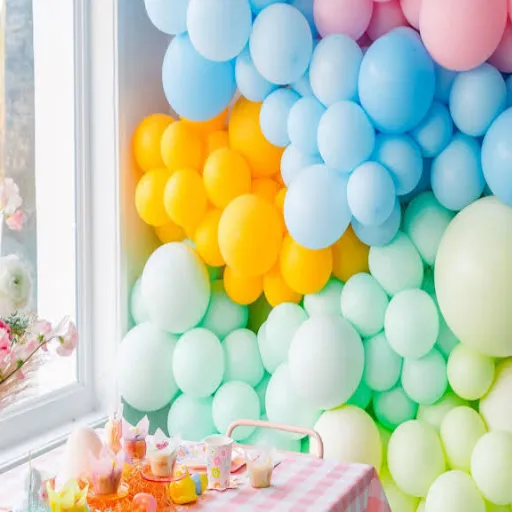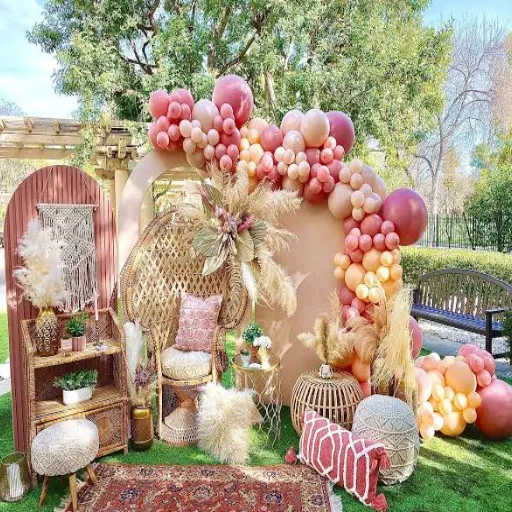
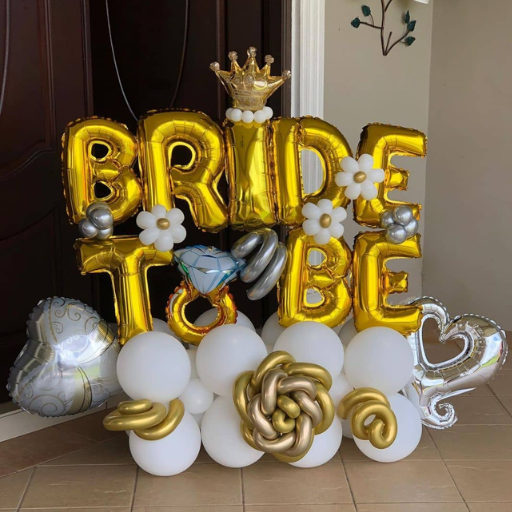
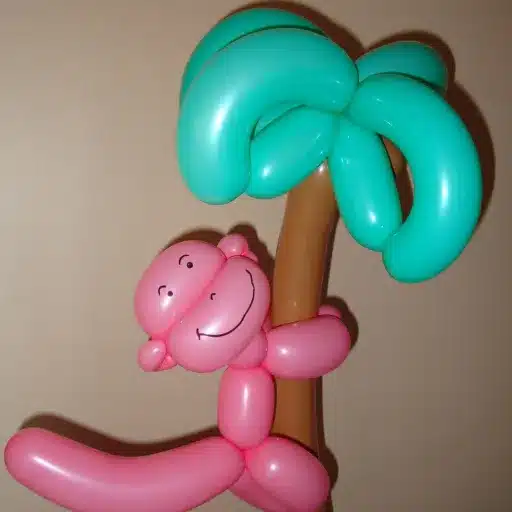
Balloon sculpting is a very enjoyable and engaging activity, and a very creative way to get the party going. You may be expecting a child’s birthday, a school event, or you may just want to have your friends marvel at your newly found magic, er, talent. Becoming a master in the beginning may take some time, but say goodbye to the balloons that are boring and say hello to the beautiful balloons that are created and loved! This beginner guide is very user-friendly and straight to the point from one step to the other for simple techniques. You will be at ease in creating popular designs such as dogs, swords, and flowers and that brings a lot of joy and happiness. Then, get ready to be the star of the celebration with your new creation! Start planning the party and the event now and let’s unveil the balloon artistry secrets to make the event a day people will remember.
Introduction to Balloon Animals
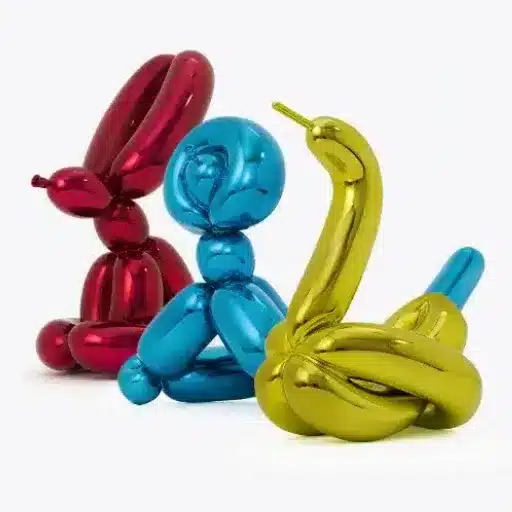
What exactly are balloon animals?
The balloon animals actually are the pieces of art that are weaved and molded with the help of different colors of latex balloons. The relatively long and cylindrical shape of the balloons is ideal to form numerous twists and folds in order to accomplish intricate shapes. The process of making balloon animals is not only a talent but also a way of amusing. It is indeed that making balloon animals is one of the common uses for balloon art which also prevails in the celebration, advertising, and stage performance. In order to create a stable and beautiful design, craftsmen need to get a thorough knowledge of the material properties and the limits of balloons as well as the methods of twisting and locking and pinch twisting. Eventually, this activity has developed into a recognized form of art with many levels of mastery from beginner to most advanced and capable sculptors presenting pieces which are challenging in terms of creativity and preciseness.
Twist and Shout: Balloon Twisting is Event Must
The ballooning demand for balloon twisting at events is unique in a way that it grasps the attention of all groups of the audience through interactive and personalized entertainment. This particular skill of entertainment rather brings people to go the place of happening and immerse themselves in the festivity. The perfect place for this is within the confines of the fairgrounds and children’s parks where one will only be surprised at the number of people standing in long queues just to get their special designs created by these balloon artists. Then, it is the right process by which a birth can become an occasion. The main information one needs in order to prove that the game is indeed happening is the presence of money and the game can indeed happen. The decoration idea can be done by different animals such as snake, monkey, and dog as well as different themes like pirates, angels, and clowns. Themes, on the other hand, can have quite different representations.
The advantages of learning balloon twisting
Learning the skill of balloon twisting is a very versatile thing to do. It goes far beyond simply being in charge of the fun at a party. It is a tool that connects you with your audience. For those who are keen on event planning, party entertainment or even those who are up for the adventure of a start-up, an absolute pro at balloon twisting can be one of their unique offerings. From the viewpoint of creativity, balloon twisting is a skill that requires the practitioner to possess very delicate motor skills since it is all about very precise hand movements and the knowledge of geometric forms. Moreover, it is a good exercise for a brain since it stimulates the creativity part more with the improvisation which isn’t very frequent and also when one needs to be a bit crafty with what they have.
In terms of economics, balloon twisting is considered as the one having less starting costs and high profit margins, being a very popular occupation so felt to be a good start for entrepreneurs. Lately there has been a great need for people with this talent and this is because it is regarded as the number one thing that gives a fun touch to various types of events, from simple children’s parties to the most sumptuous banquets. Moreover, the merging of balloon art in stage acts not only encourages the audience to take part but also brings about a unique display that is gradually embraced by the event market that provides experiences today. By learning this skill, people will not only be stretching their aptitudes but also positioning themselves at the peak of a growing trend in the show-biz world, which will prove to be very rewarding.
Essential Materials for Balloon Twisting
Types of Balloons: Balloon Animals
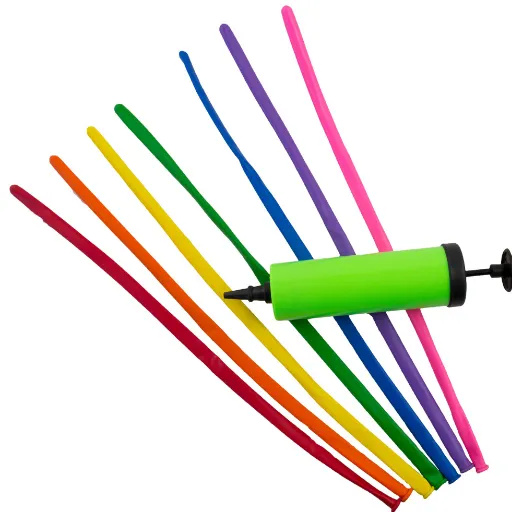
The discipline of balloon artistry heavily depends on balloons that are different from ordinary ones due to the special properties such as longer life, elasticity, and vibrant colors. Among these balloons, 260 balloons are the most popular in balloon twisting, having a diameter of around 2 inches and a length of 60 inches when fully inflated. These balloons are considered to be most solutions, and, thus, balloon artists can make any shape and form starting with simple animals to very complex sculptures.
The most complex balloon animals where the finest details are included are made up of smaller balloons such as 160 or 260 Q types which possess a higher degree of accuracy. Along with that the larger balloons like 350 or 646 categories are used in making the most prominent, outstanding, and oversized parts. Balloon industry has been changing and developing in such a way that the use of biodegradable latex materials has been increasingly spread and made balloon art a green activity.
Every balloon type owns unique material attributes like suppleness and high tensile load, which together with other variables make a given type more suitable to crafting animals. Such variables as pulse and flow for example are relevant in the choice of a suitable balloon and can be achieved only by professional-grade balloons. Balloons that pop less are usually of higher quality and are better at keeping to the shape required during a long handling process, which is important for the one doing the craft-making.
The necessary tools and equipment
The way to go about balloon sculptures entails the use of some equipment and tools. To enjoy quick and proportional inflation, a very high quality balloon pump is a must, as it makes it possible to pump fast and at the same time not over-inflate and pop the balloon. Moreover, hand pumps or electric pumps for linear balloons are specially designed for professional applications and are really valuable.
Similar to that, a bunch of round balloons in all sorts of colors and sizes (for example, 260Q latex balloons) made of thick and solid latex, is a must have in order to be able to create versatile designs. The crafting process requires the use of sharp scissors or a balloon cutter for the exact neat trimming. For the detailed patterns, very well non-toxic, smudge-proof ink markers or pens can be of great help when adding facial features or other kinds of decorative items to a balloon. Last but not the least, a protective carrying case or organizer is very useful for keeping various tools and materials in order, thus ensuring that the workflow is smooth and portable for presentations or events.
Safety precautions when working with balloons
Correct safety measures are a must in balloon projects since the risk of injuries accidents and in some cases environmental damage can be high. The first thing to do is to make sure the inflated balloons are away from the flame or a heat source as the materials latex and foil catch fire easily and they can ignite fast. Also, one should not inflate too much, as it would only increase the chances of the balloon to burst into sharp pieces that can either harm the eyes or damage the skin.
In the case of the workers dealing with balloons, one needs to keep an eye out for any allergic reactions to latex which can be in the form of skin rash or labored breathing. Changing the latex to foil or any other hypoallergenic materials may lower the risk. Moreover, the play of small children must always be within the line of vision as the burst balloons or balloons that have been torn apart are a hazard for suffocation, and thus, one needs to get rid of these choking threats.
It is suggested that eco-friendly methods of disposal be also taken into account when balloons are no longer in use. To illustrate, rather than letting balloons loose into the air, which can put animals at risk and also add to the pollution problem, they need to be properly deflated and thrown away in specifically marked trash receptacles. Through taking these preventive steps, the well-being of individual and the environment can be secured and sustainability can be preserved simultaneously.
Basic Techniques for Beginners
The knowledge of how to fill and tie a balloon
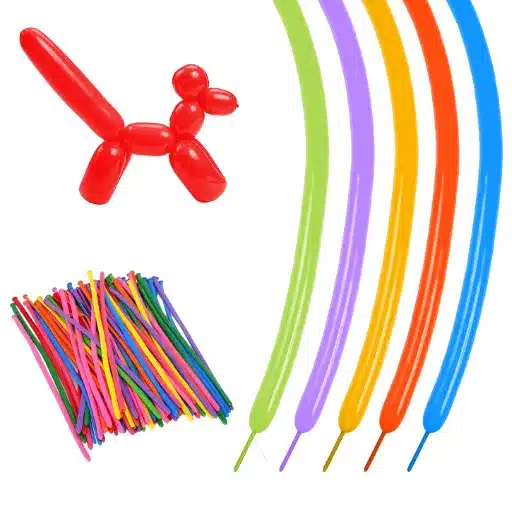
Tying and inflating a balloon are essential abilities accompanied by extreme accuracy, the process of which guarantees its workability and being safe. Right inflation involves first of all choosing the right inflation machine, for example, manual or power air pump, to make the work easier and still keep the air pressures constant. Too much inflation is risky as the balloon is more likely to burst and at the same time pose safety issues. A rule of thumb is to inflate the balloon to about 90-95% of its capacity which also ensures that the balloon is still elastic and of one piece.
Tying a balloon in a firm manner is just as important as an air-loss prevention. Therefore, tie the balloon neck firmly after inflating. To do this, twist the neck a few times and then make a loop before tying the knot. The whole process ensures the gas or air is within the balloon and at the same time, the balloon is less likely to slip. In the case of helium gas, there might be the need to also employ other measures, e.g. the use of balloon valve seals that are more effective, or balloon clips. Beginning and mastering these activities for beginners are the keys to more advanced activities such as setting up decorative arrangements for events.
Mastering the Twist: The Core Skill
Twisting is a crucial activity that is needed for balloon arts and requires precision and a good knowledge of the material’s behavior within the stress. The foremost principle of it is the manipulations of the balloon by squeezing small sections and twisting them hard while letting the tension be there and thus, avoiding deflation and bursting. The first step in the process is to get a latex balloon of high quality that is inflated to the precise level usually leaving a small uninflated head to accommodate the air displaced by twisting. The right way to place hands is very important, one hand will be the support while the other one will do the twisting. Each turn has to be done in the same manner for the system to be stable and to make subsequent twists easily. This magical skill is not only the basics of the simple balloon figures but also a requirement for the more complex multi-balloon sculptures and display structures construction. The twist is the ultimate mastery for the professionals as they can produce long-lasting and visually appealing designs for various occasions, from parties to high-end corporate events.
Creating Simple Shapes and Forms
It is very important to know the balloons’ properties, such as the material and air pressure, to begin with. Only the ones that have not burst yet but maintained the required flexibility are the balloons that were properly inflated. It is very important to get the correct shape, as very inflated balloons can burst, while under-inflated ones will not be rigid enough for the designs to be precise. One of the patterns of a beginner is the dog figure, which involves the process of dividing the balloon into parts through the twist method and then connecting these parts to create the head, ears, torso, and legs. If, for instance, each part is to match the optimal in size, you will always have a product with a rather non-waist and so on. Most of the time, the development of such a skill allows one to be creative and do different things like changing the length of segments hence creating shapes slightly more complicated than those of a sword or a flower that customers usually want for events and entertainment.
Step-by-Step Balloon Animal Tutorials
How to Make a Balloon Dog
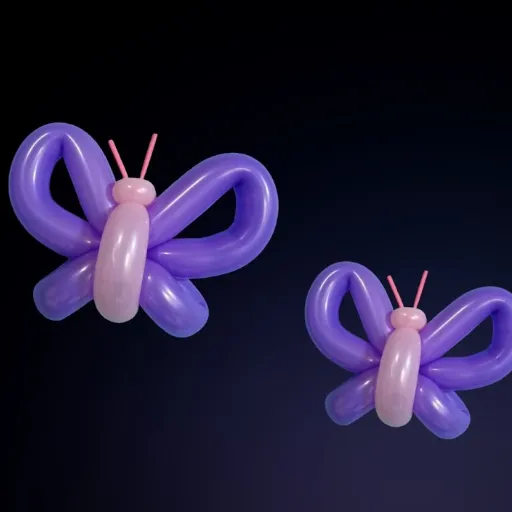
The creation of a balloon dog is an essential skill in balloon art and, therefore, a basis for creating other designs. You will be using only one standard and a simple air pump to manage the balloon inflation evenly and not letting the material over-expand.
Inflating the Balloon:You have to inflate the balloon, but do not fill it up completely, unless you have left around 3 inches of space from the open end to make sure that it does not explode while twisting it. Moreover, after the inflation process, tie the balloon nozzle firmly.
Creating the Head and Ears:Grab the balloon about 3 inches from the knotted end, and then give it one clockwise and one anti-clockwise twist by holding the two-inch piece you grabbed between your fingers. This will result in two twisted equal-length portions that are the same length as the original segment. Make one more twist where the two segments meet, and now you have the dog’s head and ears.
Creating the Neck and Front Legs: 3 inches is about the distance that should be measured down the balloon from the hairdo’s bottom to establish the neck. Twisting will seal it. Then, twist a couple of 3-inch portions, each alike, that will represent front legs. Pinch and fold them one over the other and then take the base to twist so as to secure the legs.
Building the Body and Hind Legs: After you have done with the front legs, continue the measuring from the bottom by another 4 to 5 inches for the middle section. Twist the balloon at that point to ensure the body is secure. Similarly, for the rear legs, one must make two more parts both 3 inches in length. Fold these parts together and wrap the base. That will also mean the end of the construction.
Fine-tuning and Final Touches: Before the process of transformation of the balloon into a dog is deemed complete, verify that all the body parts are in proportion by gently reshaping the body parts if necessary. In the middle of the inflated section, you must have a pointy-end for the tail that is a special feature of the doggy shape.
Crafting a balloon dog could not be easier if you follow the step-by-step process described here. It is a time-honored design that can be creatively transformed into more complex figures later on.
Making a Balloon Sword for Kids
A balloon sword is a fun and popular design for kids. To get the most of its excitement, take these careful steps and the end result will be a sturdy and well-fitted one:
Blowing and Prepping: Your first task is to select a very long, tough balloon, and blow it up to a suitable size, 260. Leave about an inch of unblown terminus so the balloon will be elastic enough for twisting but still firm enough to withstand the air pressure without bursting.
Designing the Sword Hilt: So, from the tip end of the balloon after you drive air into it, make a bubble which can be of six inches, next fold the balloon back and make a loop by twisting these two ends back to back tightly. This loop will be your sword hilt. Make sure the connections are tight and secure to avoid the loop falling apart during the game.
Blade shaping: Carry the excess balloon length out straight to form the blade keeping it flat and no twists. This part will serve as the sword’s blade. Iron out the bumps, and make sure the blade looks completely smooth and tight. To keep the size of the sword in balance, you may need to shift the handle a bit.
Following these directions will lead to the creation of a prettily formed balloon sword that also holds sufficient strength to be used in playful situations. This no-frills style will be a good basis for the swords with higher degrees of design progress.
Balloon Cat Making: An Exciting Challenge
When making a balloon cat, you should be very diligent and focused on details but the reward will be amazing. You have to blow a regular balloon and leave almost the last 10 centimeters not inflated. This is a must so that you can manage your turns without any trouble and that the cat’s look is possible to achieve. So, for the head, make a twist against the nose for a small bubble, then form by two loops of a moderate size each wing. Do the twisting very well so that the animal does not lose its aesthetic look.
A good way to go is to begin with the cat’s body and the head being a rather continuous tube. Joining this to two smaller loops that will be the front legs is next important thing to do. Going down the balloon, make another long bubble as the back, finishing up with a pair of smaller loops to shape the hind legs, and let the last segment be the tail. The whole matter of successfully building a balloon animal is the keeping of the wanted proportions and the making of each and every twist in a way that will eventually be safe enough to keep the whole thing from falling apart. These meticulous actions are the most highly significant parts of the production; as they will ensure that the balloon cat one gets is robust and, at the same time, gives a true and pleasant illusion of the real animal.
Advanced Techniques and Ideas for Creative Balloon Animals
Combining Multiple Balloons for Complex Designs
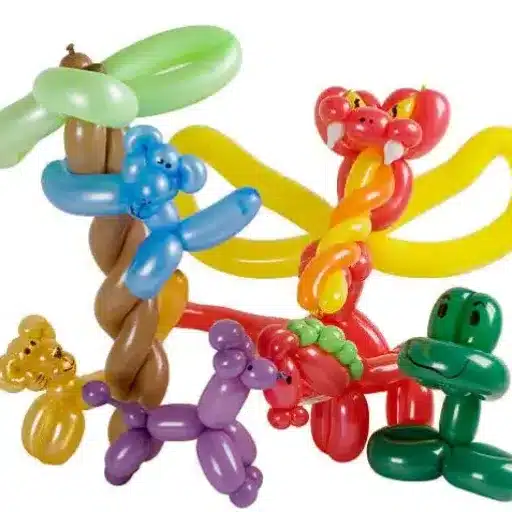
Making a creation with multiple balloons might seem a daunting task at first. But once you get into it, you will realize that it’s nothing but just a matter of time. On the other hand, if overlooked, the detail that those additional balloons can add to your design is priceless. A first-timer might freak out by imagining what 10+ balloons would look like twisted together, whereas a pro would easily assemble that “chaos” into an unbelievable masterpiece. The story behind one of my most memorable multi-balloon installations is based on the designer freak-out experience. I once had to handle multiple balloon sculpture pieces at the same time simply because the color of one of the balloons I was twisting was not available anymore. It was a mind-boggling experience but yet so inspiring and it probably took my designs to another level as well. In the end, the risk was taking in a new idea and the pleasure of experimentation win over the headache of multi-tasking.
I strive for the same areas on balloons where people usually connect strategically by detecting the best locations and types of twists to strongly link multiple balloons together. Techniques like the pinch twist and lock twist are very important for the stability, especially in designs where multiple segments come into contact. I frequently make use of color coordination to increase the picture’s representation, e.g., the green and gold combo for a dragon or the white and pink combo for a unicorn are great examples. It is not only the visual improvement but the deepening of the design’s dimensions as well.
In the same direction, the next step is to plan the design in such a way that it is possible to manage the balloon inflation and the assembly both effectively. The structure and the balloons are going to be strained if we inflate our balloons precisely and do not over-inflate. The combination of creative problem-solving, close observation of proportions, and knowledge of balloon handling methods helps me make each creation distinctive as visually appealing and structurally sound.
Adding Accessories and Decorations
When I add accessories and elaborations to my projects, the emphasis is on the characteristics that will amplify the presence of my designs while keeping the integrity of the design firm. This consists of choosing the best materials which could be the tough ribbons, flowers, or lights, that are not simple at all, to set up a vivid and unison display. I am going to select them very carefully so that they could be the part of the theme, color, and purpose of the design thus being the right fit for the whole set. I also screen very closely the quality and will find appropriate accessories that will not be a burden on the balloons rather very tastefully exposing the vivacity of the event. To add, I am very particular about the size and positioning detailed to prevent interfering with the stability of the whole decorative scheme, particularly in major balloon figures or arches.
During the initialization of the design process, I am already choosing the accessory areas in my mind and making sure that they are going to be the very best ones. This, in turn, is going to not only make my job easier but, at the same time, decrease the chance of misplacements that could happen during the event and, also, give me the possibility of proposing new ideas effortlessly. mouseover So it doesn’t matter if it’s a wall in a very cold room or outdoors, if there is any wind, or if the corner of the balloon is difficult to reach, I always find a good solution for the problem. Each project can have a different kind of fixing effect, which can be a material issue, a weight issue, or due to the positioning of the defect. For some other projects, I have to use tools and get a pack of these clips attached to the balloons, working for me in no time. For other projects, we have the white balloons dotted with the little cutouts, widely known as adhesive dots, or placed in a severely or totally…。
Being up-to-date on the latest trends is a must when it comes to the success of any project. I can provide unique and personalized choices for clients by investigating the latest styles, as well as by trying out new materials. I might as well be using metallic elements to give the decor a modern feel or I might be monogramming designs with customized ornaments when it comes to my work, I strive to give my clients what they are looking for and adhere to my high-quality craftsmanship standards at the same time. This is why I pay so much attention to my work, and this is the main reason for the pleasing aesthetic and the solid construction of any design.
Tips for Customizing Balloon Animals for Events
To create balloon animals for events, it is necessary to be fully aware of their theme, audience, and atmosphere to customize the animals. My process begins with talking to my clients and finding out what they want and how they want the event to feel. Audience, whether it is a child, an adult, or a mix of both, is also a factor to consider. Despite the fact the basic design may still be a balloon animal for the kid’s party, for example, I would still have to choose a cute design, for the adult party a basic design would be turned into something classic, and for the party with a mix of all ages a blend of the two. This is where I ask my clients for their opinions and I engage in a series of discussions to achieve the desired results. The creative part of the job is where I take over and prepare the most current and popular styles of balloon animals for the specific event. At this stage, I am expected to present the designs to the clients with different options and then to finalize with them the one they are comfortable with. In the same way, the option chosen by the client becomes the perfect and the best in terms of style and design for that particular occasion. This is the perfect solution where both the guests and the client will be happy and satisfied.
To keep up the good work, I opt for high-grade and environmentally friendly resources since this guarantees both the toughness and the smallest possible footprint at the same time as the demand for sustainability increases among a great number of clients. My bag of tricks includes the up-to-date craziest balloon ideas like double-stuffing balloons to make unique colors, and the use of pretty intense sculpting methods to create designs that are different from the others. One of the necessary conditions is the handling of the practical side; for example, I ensure that the designs are easy to transport, display, and distribute during the event. All these aspects combined play a very important role in the delivery of the end product.
I always consider the personalization options that are most likely to appeal to the event’s guests. To create a memorable experience, I typically use elements such as the company logo, names of the guests, or maybe even suggestions given by the attendees right then and there. This does not only make the event more special but is also responsible for building a stronger bond with the audience. Through the perfect blend of technical proficiency and artistic talent, I see to it that every balloon animal contributes a special attractive quality to the event while at the same time mirroring the client’s aims in a detailed and stylish manner.
Reference Sources
-
Balloon Animal Instructions – Southern Nazarene University – A guide with step-by-step instructions for creating various balloon animals.
-
Balloonology: Fun Projects for All Levels – Rowan University – A book featuring 32 projects with step-by-step photos to master balloon twisting.
-
Balloon Twisting Tips and Tricks – University of Toronto – Offers tips and tricks for balloon twisting and creating unique shapes.
Frequently Asked Questions (FAQs)
Can I learn from a balloon animal tutorial video if I’m a complete beginner?
Be it a balloon animal tutorial video, you can start it as a complete beginner. How can you explain that as an easy-to-follow tutorial video is a great thing for the beginners in the balloon animals field, which will help you master the basics one by one. The majority of the youtube channel creators show you how to create balloon animals by using only one balloon and a pump, portraying easy designs like a dog or sword. These videos typically feature expert advice on twisting balloons, crafting a tail, ear, snout, and legs, as well as the correct way to hold and twist them really quick. By sticking to such quality video guides, you will gradually learn basic skill and get more comfortable in making lovely and extraordinary balloon animals. It will not take you long to become a master of the basics through watching the sections again and doing the full steps.
Tell me a good video guide that will enable me to start forming balloon animals?
For making balloon animals, it is only a small number of simple tools and accessories that you require when you are starting out. These are a hand pump, a package of long twisting balloons, and a flat surface for working and are present in almost all videos. One can readily understand beginners’ videos via easy-to-follow techniques as well as the art of balloon twisting without using complicated machines; hence, a newbie can take up the challenge of creating a dog, flower, and sword in no time at the s. The best teacher should also give emphasis on the proper way of handling the balloon and how to avoid the sudden noise of it popping while still making lovely design. To do so, we may indicate that some balloon artists on YouTube suggest that besides quality balloons, more colors should be added to the inventory in order to be able to eventually make advanced design while comparing it to one that has the figure of a unicorn. There comes the practice and the repetition of each and every step or the trick as in the video which will help you not only to be better in design but also to be faster in doing the task.
What is the typical duration of a balloon twisting tutorial that deals with the simplest dog design?
A short easy video or youtube tutorial on making a balloon dog roughly 3–10 minutes long and its main focus is the step-by-step instruction for the face, snout, ears, as well as the legs. The majority of the balloon animal tutorials for the newbies usually use the easiest of the simple twists that start with the nose then go, head, ears, neck, legs, and tail, in that order and so you would not have any problem following them gradually. There could be longer videos or whole guides that have the trouble-shooting part, variants like a different pose for the animal and fun party designs to go with it such as balloon swords or flowers. The easy-to-follow video watching technique along with following the pauses that are in-between the steps will both serve you to get better at the technique quickly. The aim is to make the learning process funny and cute rather than fast.
Are there video tutorials teaching the advanced balloon artist tricks and design ideas?
Yes, many YouTube channels provide you with highly advanced and professional balloon animal tutorials above standard designs in addition to showing you how to make only the most fabulous balloon animals and complex art. These videos deal with multi-balloon techniques, complicated twisting methods, and complete character designs like unicorns. Furthermore, they also show some professional ways how the balloons can be finished well, but in not so rare cases, the exact same methods are shared as well with the audience. Still, creators may charge a fee for a special YouTube membership or longer course to give you a more thorough understanding of the lessons and get closer to the final project. Moreover, the detailed and in-depth guidance given in complete projects has a certain coloring to it which is different from the fast finish of very advanced tutorials that give you the chance to see how professionals make a character’s face, draw nice ears, and size the legs correctly, all while keeping the structure and strength of the figure. As a matter of fact, observing tutorials for both; beginners and experts will make you more creative in balloons and help you reach a higher level of balloon artist status.
Can kids follow a balloon tutorial video safely, and what activities are suitable for parties?
Yes, there are a lot of video tutorials made for children which contain only safe and simple activities such as the making of balloon swords, little doggies, and flowers, all of which are done in a step-by-step manner. Easily adaptable balloon twisting tutorials that primarily concentrate on the use of a pump for balloon inflation and adult supervision preventing pop-ups or mouth inflation are the ones that you should opt for. Fast, yet cutie-pie designs are one of the kinds you would meet in the party-friendly videos segment that are perfect for making a lot of balloon animals for kids as well as for adults at an event. Additionally, videos for beginners on the same topic also give safety guidelines in a simple way and show ways to change the design for different age groups. It is still a good practice to have extra balloons and a small medical emergency kit nearby and instruct children in the gentle management of the twisted balloons.
What is the best source for balloon animal tutorial videos, and what aspects should I consider while browsing them?
The internet is full of useful balloon animal video tutorials posted on the most popular youtube channels. They are dedicated to the production of good quality balloon art videos, where step-by-step guides and illustrations of final projects made from balloons are being laid out. If you really want to follow the instructional video, a suggested watch on the playlist would be the one labeled easy-to-follow tutorial, balloon animals for beginners, or complete guide. Those are more likely to be having the necessary guidance while showcasing the most basic, proper, and only twisting techniques, and the video creators would probably also help with the provision of useful tips to aid you through the entire process. So, nod your head in agreement; it is the comment and like areas where the real connection is happening between the creators and their watchers and hence is the source of the receivers’ opinions. Based on this kind of community feedback, your responsibility will be to choose only the videos that are endorsed and highly rated as well. Another thing that might help you make your final choice is that you go for the videos that are full of close-ups showing the face, the nose, the ears, and the legs of the animal being twisted. On top of that, besides the main content of the channel, many other videos can and will be found in its playlists which will help to gradually advance your skill from being a beginner and a little bit knowledgeable about the balloons to a more experienced balloon master. Furthermore, some of the channels will be offering the option of having a downloadable guide, the subscription gives you aceess to such content or any kind of extra technique, the hard way learning? no more, than you prefer the use of membership sites. Allocate your time to watch the videos where the instructors not only take time to discuss and show how the animal is done but also give room for your creativity to flow thereby making the experience pleasurable and productive at the same time.