
Helium balloons are required at celebrations and they are the most joyful and colorful decorations of every event. But do you ever think about the lifetime of these floating ornaments or the balloons that are made of helium and are still the highest in the air? The factors that influence the float time of balloons can help you make the most of your balloon budget whether you are partying or just being curious about their longevity. In this article, we are going to discuss the usual lifespan of helium balloons, the factors that affect their life span, and the types of balloons that are the best in terms of staying power. So, get ready to find out everything you like to be up in the air for your party decorations!
Overview of Balloon Types

1
Latex Balloons
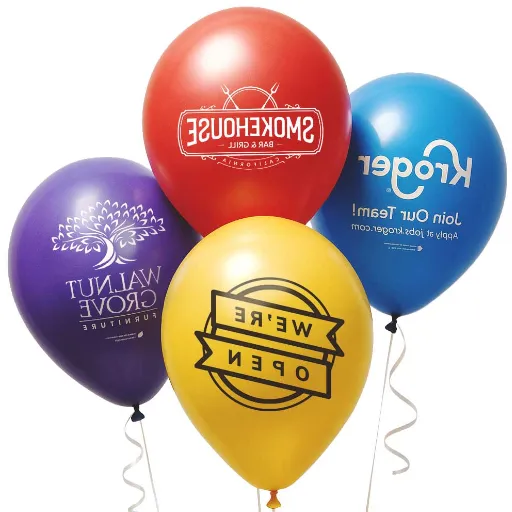
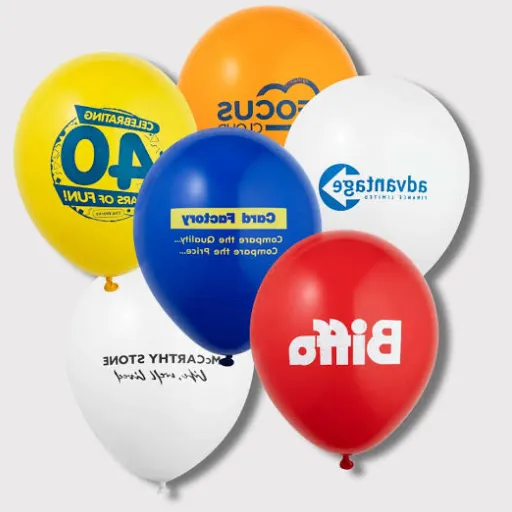
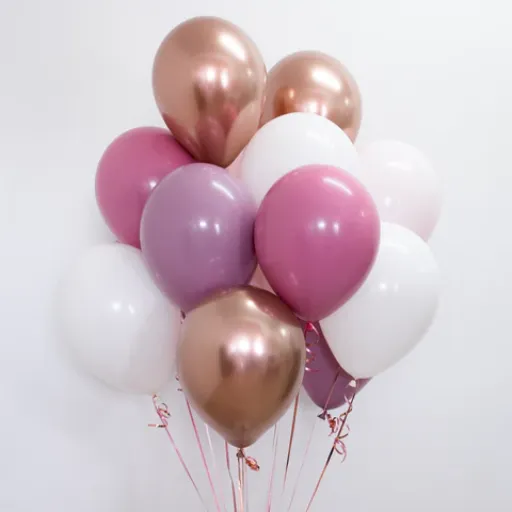
Latex balloons have become the most common kind of all balloon types used for decorations, parties, and events. The main ingredient used in manufacturing these types of balloons is natural rubber latex, which is biodegradable and friendly to the environment, hence the popularity among people who are cautious about the environmental impact of the products they use. Still, their float time is shorter when compared with other helium-filled balloons.
A common scenario is the helium-filled latex balloons getting to float for about 8 to 12 hours under regular conditions. However, the actual duration of the float can be determined by the temperature, the altitude, and the latex quality. The float time can be optimized with the support of the product like Hi-Float, which is a solution applied to the latex balloon, making it float for up to 24 to 48 hours.
2
Foil Balloons
Foil balloons or mylar balloons, as they are known, consist of a nylon sheet and a very thin coating of metallic material. They are thus more durable and less porous than the latex balloons. The non-porous structure gives helium a much longer retention period in foil balloons, which leads to a typical float time of 3-7 days, and in some cases, even weeks depending on the specific conditions. Consequently, this long lifespan makes foil balloons one of the top-tier decorations for events like parties, anniversaries, and corporate events that need to last for a long time.
One of the main benefits of foil balloons is their ability to retain custom shapes and brilliant designs. Unlike latex balloons, which have limitations in terms of print quality, foil balloons are perfect for the most intricate of patterns, logos, or sectioned prints. For instance, according to the latest market statistics, themed foil balloons (like those featuring characters from popular TV shows or movies) are one of the top-selling items in the party decorations market, thus indicating their universal appeal.
Comparing Durability and Longevity
Latex versus Foil Balloons
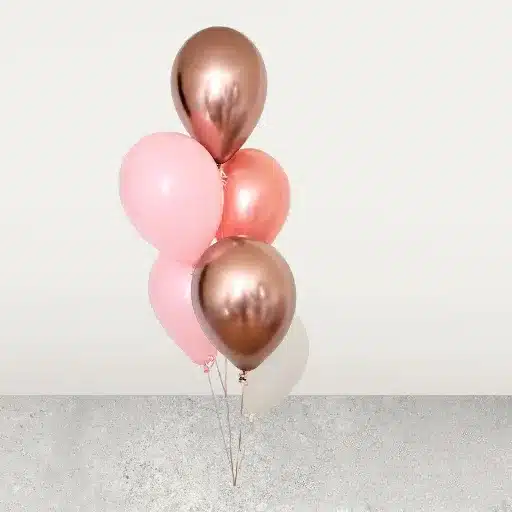
Distinct differences between latex and foil balloons arise when materials, durability, cost, and environmental impact are compared. Latex balloons are manufactured from natural rubber, which is a renewable source, and they are usually regarded as biodegradable when proper conditions are met. The rate of decomposition of latex balloons has been matched with that of the oak leaf, which can take around 6 months to 4 years depending on where they are and the weather. Still, they cannot withstand bumps as they are less durable due to the fact that they are made of rubber and besides this, they easily burst if exposed to heat or sharp objects.
In contrast, foil balloons are formed from a thin layer of plastic or nylon that is treated with a metallic film. They are stronger than latex balloons but less pliable and actually will lose helium faster than latex balloons, which usually take about a week, while foil can last for a month or even more. The higher resistance, however, does not come without an environmental cost, as the foil balloons end up in landfills where they cannot degrade. Environmental authorities report that mismanaged foil balloons may stay in the environment for extremely long periods—decades—and this can be harmful to fauna.
Material Thickness Impact
A balloon’s material thickness is an essential factor in its durability, elasticity, and environmental impact. With latex balloons, the material’s thickness is usually in the range of 0.05 mm to 0.1 mm. The biodegradability becomes a trade-off with thinner balloons as they are quicker to lose air and are more easily punctured, thicker types go further regarding sturdiness and resistance but it takes longer for them to decompose.
Foil balloons, which are made of several layers of nylon and very thin aluminum, are generally thicker than latex balloons, often around 0.02 mm to 0.05 mm. This is a minimal increase in material density, but it is significant in that it allows them to hold helium or air for a longer time, weeks in fact, whereas latex balloons typically last only a few days. The factor of added durability often makes eco-friendliness a disadvantage for foil balloons since they are not biodegradable and require specialized recycling processes.
Factors Influencing Balloon Lifespan

Environmental Conditions Impacting Balloon Lifespan
Among the factors that largely determine the lifespan of balloons, environmental conditions rank high. The durability and performance of both latex and foil balloons can be significantly altered by exposure to different temperatures, humidity, and direct sunlight. For instance, the high UV radiation makes latex balloons, which are biodegradable, to be more prone to death. Some studies have found that ultraviolet exposure can actually make latex lose its integrity and become unusable in as little as 1-2 hours, thus causing balloons to deflate or burst prior to the time they were supposed to last. Foil balloons on the contrary are less prone to sunlight but can still be affected by heating and cooling due to varying temperatures.
Humidity is another factor that affects balloon life span. Balloon materials are latex which is high, and when humidity is high, the latter speed up the decomposition process of the former; on the contrary, when the place is very dry, the latex materials will become brittle. Recent reports indicate that the average life span of latex balloons outdoor is between 12 to 48 hours in the badest environmental conditions, while the lifeless of foil balloons is over a week if the harshness of the elements is avoided.
Helium vs. Air Inflation
The decision whether to use helium or air takes a big toll on the performance, long-time use, and application of balloons. Helium balloons float because helium is less dense than air, which is why it is used for decorating and celebrating purposes. However, helium balloons cannot keep afloat for as long as air balloons. Latex helium balloons usually float for 8 to 12 hours, whereas foil ones can hold their height for 3 to 5 days before losing it gradually. In addition, temperature and humidity are external factors that can reduce this duration.
Conversely, air-filled balloons do not go up but they have a much longer life span. The life span of latex air-filled balloons can be days to weeks, while foil balloons can last more than a month if in perfect environment. Air inflation is a practical and economical way of achieving displays, structures, or backdrops that don’t need floating balloons. Moreover, air is more accessible than helium which is a limited resource and also often more expensive.
Expert Tips for Choosing Long-Lasting Balloons
Best Practices for Balloon Selection
Materials Make a Difference
Based on your event, you can either choose latex or mylar (foil) balloons of superior quality. While latex balloons are eco-friendly and come in a variety of bright colors, they are not very floaty unless treated with Hi-Float. Conversely, Mylar balloons offer long-lasting usage, are durable, and are reusable hence poise for an event that lasts longer.
Environmental Issues
In case of an outdoor event, helium-inflated latex balloons with Hi-Float treatment can be an option since they can withstand the heat and be safe even when the humidity changes outdoors. Various balloon types—air-filled balloons such as displays or arches—are the best for the longest use because helium depletion will not affect them.
Sizing and Inflating Correctly
18 inches and larger balloons last longer than small ones because the helium they hold is bigger. Always avoid inflating beyond the limit, as it weakens the balloon’s strength.
Event Recommendations
Select the Proper Balloon Type
Helium-filled latex balloons treated with Hi-Float are very effective for events lasting several hours since they can stay afloat for 48 hours. For very long events, Mylar (foil) is better since it can keep helium for 2-3 weeks and is less prone to losing air, thus preferable to deflation. Moreover, air-inflated latex balloons are suitable for indoor events because they last longer, even for several days to weeks. Eco-conscious gatherings can use biodegradable latex balloons to minimize impact on the environment.
Choose Balloon Garlands and Arches
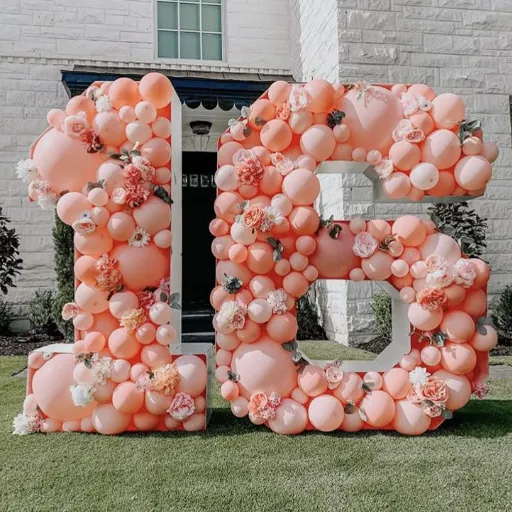
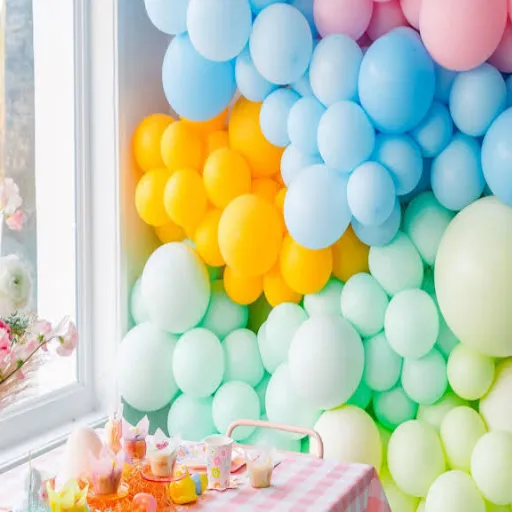
Balloon garlands and arches are just some of the decorating choices that remain very popular for events in 2023, and besides they give a beautiful highlight. Weddings, graduations, and corporate events often choose this installation because it looks great in photos and it also has a wide range of applicability for different themes. The air inflation can keep these structures up for several days, which is a reason why they are considered a beautiful and strong choice for week-long celebrations.
Color and Theme Coordination
Event design trends suggest that balloon color matching with the event theme increases the overall aesthetic significantly. For instance, baby showers are increasingly choosing pastel tones, while gold and silver metallics are the top trend for elite galas and formal occasions. Make sure you pair the event’s theme and venue color palette for unified visual appeal.
Top Brands for Durable Balloons

Qualatex
Touted as the “World’s Best Balloons,” Qualatex is already the best when it comes to balloon quality because of the vibrant features as well as the durability of these balloons. Latex, foil, and specialty balloons are among the options that weigh in their offer to cater for every occasion indoors and outdoors. The data from trends ranks Qualatex among the top and the researchers found that “Qualatex balloon garlands” and “helium Qualatex balloons” are the most popular searches related to the brand, indicating that it has a huge market in decorations.
Anagram
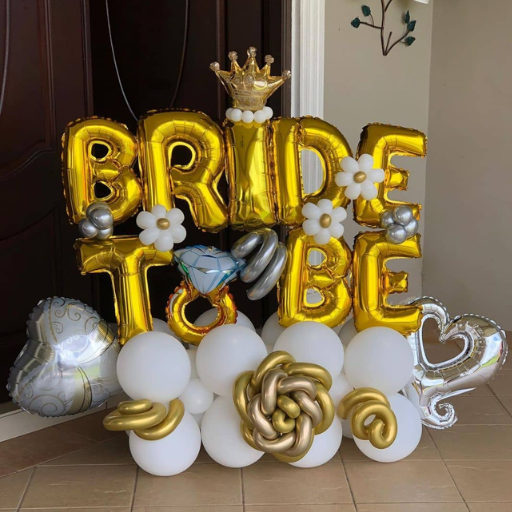
Anagram, which is actually the leading brand for metallic and foil balloons, is a trusted supplier of long-lasting and originally designed balloons. Their products have received a lot of praises due to the artistic quality and innovative shapes, hence making them especially suitable for themed parties and business events. The company noticed an upward trend in people’s interest to buy Anagram’s “tailored foil balloons,” particularly in letters and digits categories used for celebrations of different milestones.
Sempertex
Besides being eco-friendly, latex balloons are also reusable because of the durability that Sempertex latex balloons provide. Moreover, they offer the best range of colors thus it is no wonder that their products are increasingly sought after through searches for “Sempertex organic balloon designs” among decorators committed to environmental sustainability. These balloons are chiefly seen in balloon arches and climbing garlands.
Reference Sources
-
Misty Daydream Blog
- Title: What Kind of Balloons Last Longer?
- Summary: This blog discusses the longevity of helium-filled latex balloons versus air-filled latex balloons, providing insights into their lifespan and factors affecting durability.
-
Today’s Balloons
- Title: Choosing the Right Balloons: Materials and Considerations
- Summary: This article explores the materials used in balloons, such as latex and foil, and their impact on helium retention and overall longevity.
-
Edible® Blog
- Title: The Business of Balloons in 2024
- Summary: This blog highlights the durability of foil or Mylar balloons, explaining why they last longer than latex balloons due to their less porous material.
Frequently Asked Questions (FAQs)
How Does the Type of Balloon Affect Balloon Lifespan?
The type of balloon is essential in determining its lifespan. Foil balloons are made of a thicker material that prevents the escape of helium better than latex balloons, which are more permeable. In the course of time, just like latex balloons, foil balloons will shrink, descend and slowly shut off their flow of air but this is not going to be so quick for foil than for latex balloons.
Do Helium-Filled Balloons Last Longer Than Air-Filled Balloons?
Normally, helium-filled balloons float up high and last longer than air-filled latex balloons in terms of visibility. That being said, helium-filled balloons’ life span can, however, be considerably shortened by factors such as the presence of heat or even through the escaping of helium. The best way to keep the helium-filled balloons for a longer time is to take them indoors and find a cool spot for them, while also making sure they are not exposed directly to sunlight.
Can I Make My Balloons Last Longer?
Definitely, there are several methods to prolong the balloons’ lifespan. Using quality balloons, proper inflation, and storing in cool places will be effective in prolonging the balloons’ lifespan. Moreover, applying sealant on latex balloons can significantly reduce helium and air escaping thereby increasing their longevity.
What Is the Maximum Float Time for Different Balloon Types?
The maximum float time is not the same for all balloons types. Foil balloons are able to stay inflated for about several weeks whereas helium-filled latex balloons will be floating for around fifty percent to a hundred percent of the time that an air-filled latex balloon can last. Thus, air-filled balloons will not be able to float but last for several days.