

Mylar balloons are a favorite in the celebrations and special occasions department, adding an instant festive atmosphere. But once they are filled with helium, how long do these colorful and shiny novelties last? No matter if you’re organizing a party, dressing up an event, or just being inquisitive about their lifetime, knowing the life span of Mylar balloons can give you the advantage of enjoying your decorative pieces to the full. This write-up explores the aspects that influence their life span, starting from helium retention to right handling, offering you the knowledge to keep your balloons soaring for a longer period of time.
What are Mylar Balloons?

Definition and Composition of Mylar Balloons
Mylar balloons are often called foil balloons and they consist of a thin polyester film that is applied with a thin layer of aluminum. This mixture gives them the sophisticated metallic look and also makes them more resistant and less able to pass through in comparison with normal latex balloons. Mylar balloons, which have a surface that is not porous, are different from latex balloons that are made from natural rubber, and this non-porous surface absorbs helium or air for a longer period.
The thickness of these balloons is 0.5 mil (12 microns) or more. The polyester material makes the balloon strong and keeps its shape while the aluminum coating gives it the reflectiveness and also reduces the rate of helium getting out. Mylar balloons are sealed using heat to ensure they do not lose their shape and come in different sizes, shapes, and colors which makes them well liked for parties and events. Well-filled Mylar balloons can stay aloft for 3-5 days or even longer if the environmental conditions are right (temperature and humidity) and if the balloons are adequately sealed.
Uses and Popularity of Mylar Balloons
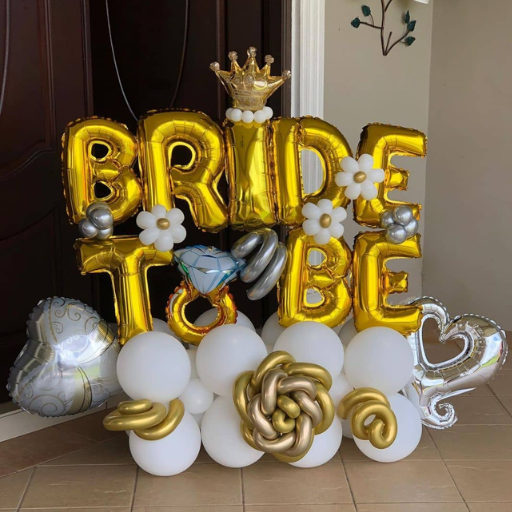
The shiny Mylar balloons with their great variety of colors and patterns have become a universal favorite for celebrations and events including birthdays, weddings, corporate parties, and even a few marketing promotions. They can also be personalized with logos, messages, or even unique shapes which in turn has enabled them to become the most popular choice for both personal and commercial festive occasions. Apart from private functions, using Mylar balloons for marketing purposes is a trend that is growing in popularity mainly because they are very striking and durable compared to the conventional latex balloons.
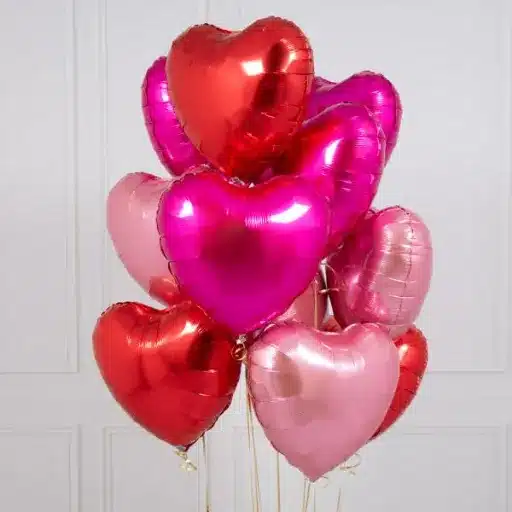
Industry Insight: According to a Trends analysis for the year 2023, there has been a consistent increase in the number of searches for “custom Mylar balloons” and “themed Mylar balloons,” especially during the holidays of Valentine’s Day, Halloween, and New Year’s Eve. For instance, during the Valentine’s Day celebration, around 40% of the total balloon sales in the United States is represented by heart-shaped Mylar balloons, which indeed proves how much they are in demand for romantic themes.
Factors Influencing How Long Mylar Balloons Last

Impact of Helium Quality on Float Time
The helium’s quality plays a decisive role in the float time of Mylar balloons inflated with helium. Pure helium is lighter than air and hence the balloon will be able to stay at the highest point of its buoyancy for a longer time. If there are impurities in helium or if it is mixed with other gases, the lifting power will be reduced sharply and the float time will be reduced in turn. It has been found that Mylar balloons can be kept afloat on an average of 2 to 5 days using high-purity helium, whereas impure helium or a blend may result in the balloon’s float time being reduced to 12 to 24 hours.
Moreover, the improvements in the conservation and refinement technologies for helium have a marked effect on the availability of high-quality helium at competitive prices. The last industry reports indicate that helium purity levels over 99.99% are now viewed as the standard for getting the longest float time. It is also important to mention that professional-grade helium tanks frequently meet or exceed purity standards much better than those of smaller, retail-grade tanks. The use of helium of a higher quality not only secures longer float times but also improves the appearance of Mylar balloons at events.
Balloon Size and Shape Considerations
The performance, float time, and overall usability of helium-filled balloons depend greatly on their size and shape. The bigger balloons (with a diameter of 18 inches or so) can hold a larger volume of helium, which makes them float for a longer time than smaller ones (9-inch). For example, an 11-inch latex balloon usually stays up for 12-16 hours, while bigger foil balloons could last for days depending on the environmental conditions and material quality.
Shapes directly affect the performance and aerodynamics of helium balloons. Round balloons, such as traditional circular latex or foil designs, evenly distribute helium which contributes to their stability and predictable float behavior. In contrast, non-standard shaped balloons, like stars or animals, might see an uneven distribution of stress across the material which can lead to deflation or rupture if not handled, thus increasing the risk.
Comparison with Other Types of Balloons

Mylar vs. Latex Balloons: Lifespan and Float Time
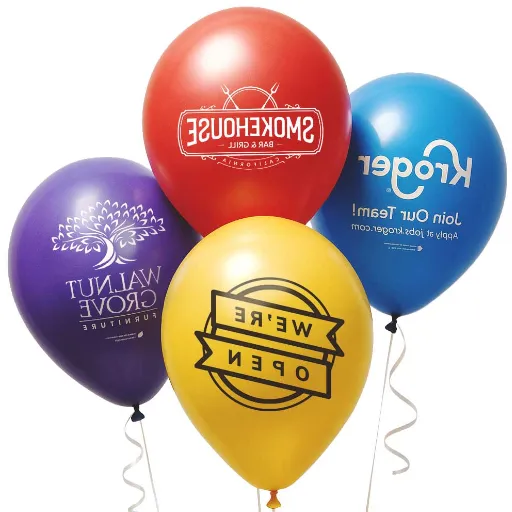
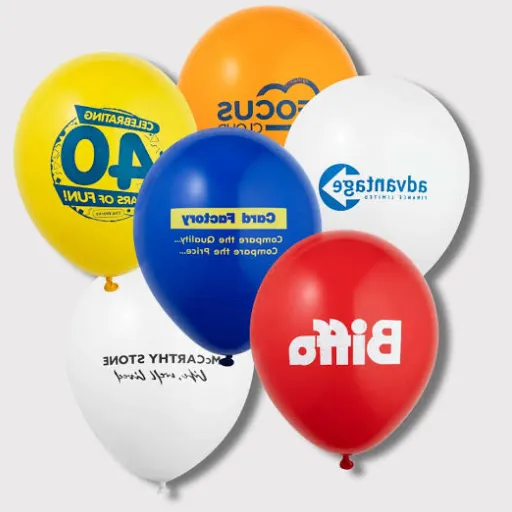
When looking at the differences between Mylar (foil) and latex balloons, there are notable differences in their lifespan and float time and therefore to some extent each type can be used for different purposes. Latex balloons made from natural rubber are biodegradable and friendly to the environment, yet their permeability leads to first-in, first-out of helium making the flotation duration roughly 8 to 12 hours which varies with the balloon size and environmental conditions. The hi-float solution’s application can allow this time frame to reach up to 24 hours or even more for latex balloons.
Conversely, Mylar balloons continue to be a substantial 3 to 5-day float time owing to their non-porous surface, producing by metallic polyester film, which effectively retains helium. Standard Mylar balloons can float for about a week, whereas the larger ones can last up to several weeks in the proper indoor conditions without the influence of extreme temperatures.
Cost-Effectiveness of Mylar Balloons
Mylar balloons, although usually more costly at the outset than latex balloons, may in certain events become the most economical option because of their time and sturdiness. One can expect to part with around $5-10 for a pack of 25-50 latex balloons; Mylar prices fluctuate from $1-$5 with the latter depending on the size and design. However, Mylar balloons can hold helium for days if not weeks and this drastically cuts the number of replacements needed for prolonged use in events or displays.
In terms of decoration fewer Mylar balloons are often necessary as they can be produced in bigger sizes or specially designed shapes that create a larger visual impact. It is thus that the event planners or party supply vendors can think of Mylar balloons as a cost-effective measure for their overall supply when they put longer float time and reusable nature (if handled with care) in perspective.
Tips for Maximizing the Lifespan of Mylar Balloons

Best Practices for Filling Mylar Balloons
1
Use High-Quality Helium Tanks
In order to get the most out of the Mylar balloons, it is advisable to use only a high-quality and dependable helium tank. Make sure that the nozzle of the tank is tightly fitted on the inflation valve of the balloon in order to keep the helium from leaking. A helium tank of a professional sort is able to decrease wastage of helium, and at the same time, increase fill efficiency.
2
Avoid Overfilling
Overinflation is the very thing that happens most frequently among people, when it comes to the Mylar balloons. The balloon should be slowly inflated and then the process should be stopped at the moment the balloon feels tight but not stretched beyond the limit. Such balloons that have been filled to the maximum might burst because of the high pressure inside them or due to external influences like heat.
3
Maintain Proper Inflation Levels for Optimal Float Time
It has been established by research that, if the helium levels in the Mylar balloons are just right, then the balloons can float for about 10-14 days in perfect conditions. Under-inflation leads to loss of buoyancy, while over-inflation, in addition to the risk of bursting, also leads to the balloon being more susceptible to the heat in the environment.
Storage and Handling Tips
- Best Storage Conditions:
The ideal storage condition for Mylar balloons is a place that is cool and dry, with the temperature not exceeding 72°F (22°C) and not going below 68°F (20°C). Do not put balloons in areas that have high humidity, because such conditions can lead to a weakening of the material over time. - Shielding from Light and Chemicals:
Making the Mylar balloons endure the direct sunlight for a long time will not only fade their colors but also compromise their structural integrity. Likewise, keep balloons away from sharp objects, abrasive surfaces, or harsh chemicals that could cause tearing. - Inflation Practices:
Mylar balloons should not be over-inflated, since this heightens the likelihood of bursting. Always utilize a trustworthy inflation tool with an automatic shut-off feature to maintain proper pressure levels. Studies indicate that precision inflation can boost the float time of helium-filled Mylar balloons by as much as 25 percent.
Conclusion
Last Thoughts on Mylar Balloons
Mylar balloons, valued for their longevity and eye-catching aesthetic, are still full of life in various events around the globe. The latest findings show that if these balloons are maintained and trashed correctly, their negative impact on nature could be reduced to a great extent. As an example, balloons filled with helium can retain their size for 5-7 days, which gives a longer period of delight when compared to latex balloons that are of the same size. Moreover, the research points out that if the balloons are properly weighted and secured, the potential for environmental hazards caused by accidental release is minimized.
Environmental Consideration: Still, the increasing concern about sustainability has brought into light the necessity for eco-friendly consumption and recycling practices. Environmental studies claim that every year, millions of balloons that are dumped are a great part of waste, with a huge part of it being the oceans where marine life is endangered. Thus, the consumers are advised to recycle their balloons or find a creative way to reuse them. Some cities have even started including deflated Mylar balloons in their curbside recycling programs, which is an effort to direct less waste to landfills.