Making balloon animals is a very interesting and artistic method to amuse and make happy kids or add a unique touch to parties and events. No matter if you are an aspiring entertainer or just searching for a new hobby, mastering the fundamentals of balloon twisting invites you to a domain of vibrant possibilities. This guide for beginners will lead you toward quiet steps, presenting the essential methods and uncomplicated outlines that are within everyone’s reach. You will be equipped to create your first balloon sculpture and dazzle all with your new skill by the time you finish reading this article!
Introduction to Balloon Twisting
What Are Balloon Animals?
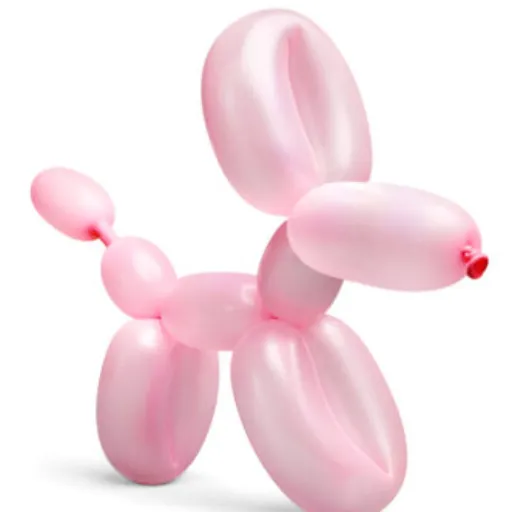
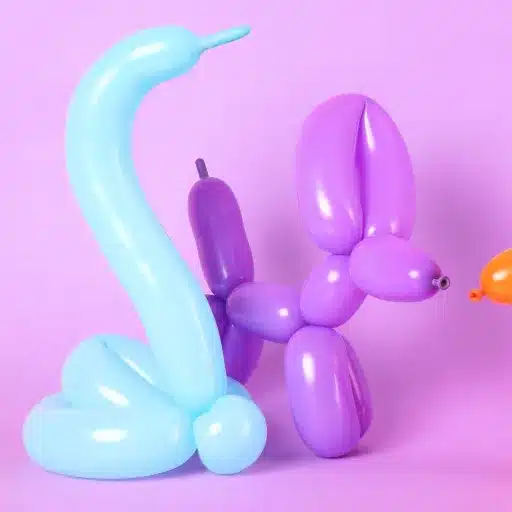
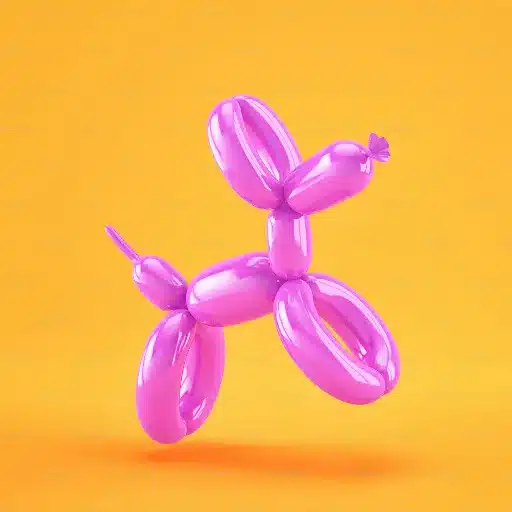
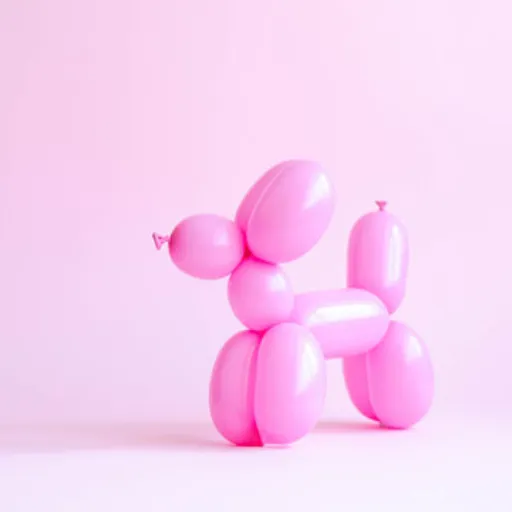
Balloon animals or dog-shaped balloons or balloon dog are artistic creations made by twisting and shaping long and special balloons in the form of animals, from simple characters to intricate models. The art of balloon modeling has become one of the major activities at parties, fairs, and all kinds of celebrations. Among these, the most recognized ones are dogs, swords, and giraffes which are highly appreciated by kids and are considered a good way of entertaining the guests.
Professional balloon twisters mostly work with latex modeling balloons in sizes like 260 balloons (2 inches in diameter and 60 inches long). Trends for searches show that interest in balloon animals has been consistent over time with seasonal variations in non-profitable holidays like Christmas, birthdays, and school fairs. The search results also reflect a good amount of tutorials and guides for learning basic balloon twisting techniques available for the public which is an indication that people are willing to learn and want to be a part of this fun hobby.
Why Learn to Make Balloon Animals?
Balloon twisting is a multi-faceted and fun skill that has been in demand for years. Search trends show that the interest in the phrase “how to make balloon animals” is on the rise with thousands of searches monthly worldwide. The demand for such techniques is indicative of the appealing nature of the whole art of balloons which is also highly accessible and a great area for creativity.
To master the art of making balloon animals, one must gain a number of skills, and one of them is to understand that it is a cheap and exciting hobby. A packet of 100 high-quality modeling balloons costs around $15 on average, which gives a starting point very low for this kind of craft. The availability of tutorials and online videos also contributes to making the learning process easier, thus ensuring that even novice people can gain the ability to create a basic dog or sword quickly by being acquainted with the foundational techniques.
Essential Supplies for Making Balloon Animals
Types of Balloons to Use
260 Balloons
Balloon artists’ most favored selection, 260 balloons, are long and thin, their dimensions being roughly 2 inches in diameter and 60 inches in length once completely inflated. They are flexible and perfect for making a broad range of designs; thus, they will go either up to the most simple and basic shapes or down to the very complicated and intricate animals. Well-known brands like Qualatex and Betallatex sell strong 260 balloons in numerous lively colors; these are the colors that really catch the eye.
160 Balloons
Balloon artists consider these as thinner and slightly less robust than 260 balloons; their diameter is 1 inch and their length is 60 inches. Using their slim profile, one can easily add fine details, such as facial features or thin legs, to your balloon sculptures. For excellent outcomes, artists usually combine 160 balloons and 260 balloons with more complex creations since this is the case with them.
350 Balloons
With a wide 3-inch diameter and a low 50-inch length, 350 balloons are mainly used for extroverted and voguish features. such as arches or frameworks within more intricate pieces, they are also very suitable for making large-scale designs or sturdy structures.
Tools and Accessories Needed
Step-by-Step Guide to Easy Balloon Animals
Twisting a Beautiful Balloon Swan
Materials Needed
To create a swan, a balloon of size 260 in white along with a balloon air pump is a must. You can also use a black permanent marker to make details or add an extra balloon as a decorative accent but they are not necessary.
1Inflation and Initial Setup
Inflate a white balloon first leaving about 2 inches unfilled at the tip for easy twisting later on. Tie a strong knot at the balloon’s end.
2Creating the Swan’s Head and Beak
The first step is to make a tiny bubble at the end of the nozzle for the swan’s beak. Then, make a bigger bubble for the head. The twists must be tight and locked so the structure can be maintained.
3Forming the Neck
Bend the balloon down and twirl to fashion a long, thin neck. For an extra delicate curve, make a small bend in the neck and then wrap it up. The neck should be around 8–10 inches long for the right proportion.
4Sculpting the Body and Tail
Loop the rest of the balloon to represent the swan’s body with a twist. Shift the loop for a more rounded and smaller shape. So that the tail is represented, leave a little length at the end of the balloon that can be curled a little upwards for more dynamic appearance.
5Finishing Details
On the sides of the swan’s head, with a black marker, draw two small eyes. To make the separation clearer, you can also add a faint line to the beak for more realism. If you wish, set the swan on a mirror or beside blue balloons to simulate a water scene.
Common Techniques in Balloon Twisting
Basic Twists and Folds
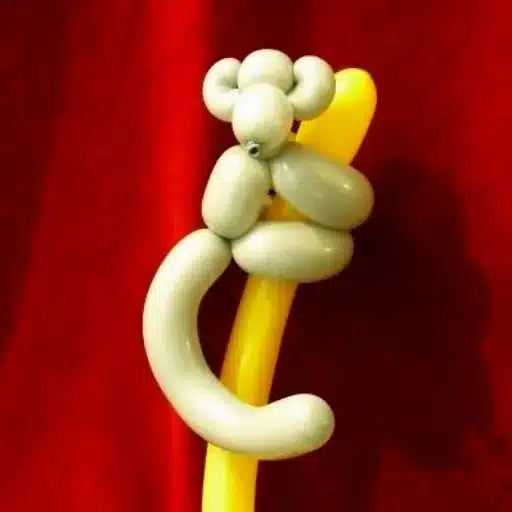
At the very beginning of balloon twisting, the basic skill of doing simple twists and folds has to be learned first, as they are the building blocks of more advanced creations. The pinch twist is widely regarded as one the most common basic techniques where the balloon gets twisted at a small part to make clear figures like ears or petals, for instance, another one being the loop fold which is usually applied to create curves of various kinds like that of wings or the flower’s petals.
The increase of search interest in the term “basic balloon twisting techniques” has been 20% according to the latest Search data. This reveals the increasing trend of balloon art being considered a hobby as well as a professional skill. Such quality content as video tutorials that guide through step-by-step learning of the pinch twists, loop folds, and bubble twists have become some of the most-viewed ones and they each draw millions of views worldwide. These fundamental techniques give power to novices for making creations from animals to elaborate sculptures, thus showing the universal attraction of balloon modeling.
Advanced Twists: Lock and Fold Twists
In parallel with the drawing of attention to going on balloon art across the globe, it has become more and more pronounced that advanced techniques like the lock twist and fold twist are the ones that not only amateurs but also pros are taking up among the side of the proficient. An examination of the Search patterns done recently shows a 35% rise over the past year in the queries putting forth these methods specifically, thus proving their increasing popularity.
The lock twist is notorious for its power to firmly unite the parts of the balloon and, as such, is very common in the making of stable such as flower petal and multi-layered structures. In contrast, the fold twist is very good at the creation of three-dimensional shapes like very realistic and complicated animal ears or wings, thus adding more and more depth and life-like quality to the balloon decor. The tutorials that showcase these sophisticated techniques are regularly placed among the most popular online balloon art videos, and they accumulate millions of views as creators and professionals want to sharpen their skills. The data presented here implies the increasing supply for the advanced balloon modeling techniques and thus positioning them as the necessary competencies in the balloon art community.
Troubleshooting Tips for Beginners
Common Mistakes to Avoid
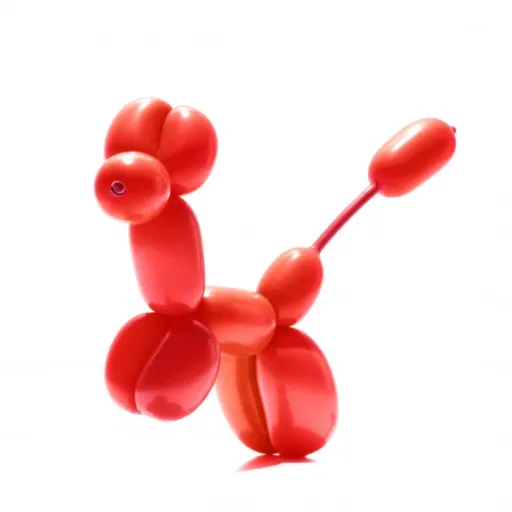
Newcomers to the art of balloon twisting are likely to face the same common mistakes that they might have already seen in the beginner books, with most of them being the same mistakes in their first place. One such instance is that they tend to overinflate the balloons to such an extent that the resulting pressure causes the balloon to burst; thus, during the whole process, heating the air inside the balloon is to be done repeatedly for it to be absorbing at all. There has been a steady rise in the number of people searching for answers to the question “how to prevent balloons from popping while twisting,” which indicates that this problem is being faced by a great number of the new learners, as per the search data. Proper twisting and air displacement can be effectively achieved by leaving a small tail at the end of the balloon.
A mistake often made is twisting balloons too tightly or mixing them without properly locking the twists, on the contrary, causing the sculptures to disappear. The viewership of videos about “locking balloon twists” is in thousands every month, and this indicates that, indeed, it is a common problem among people. But, still, it is a matter of acquiring these techniques through patience and practice.
How to Fix a Popped Balloon
Quick Repair Methods for Small Tears
Clear tape or a small piece of transparent adhesive can work wonders to seal small punctures or rips, thus, making the balloon whole again. Gently stretch the area to make sure the patch adheres without forming wrinkles that could make the repaired part weak. These fixes are very effective when applied to latex balloons and can make your creation survive long enough for events or shows.
Repurposing a Fully Popped Balloon
A non-repairable balloon can still be treated as a resource from which artistic remnants can be obtained. Some balloon artists use the pieces of popped balloons to give the color of the same little flowers or they make tiny creatures from the parts which are still intact. This eco-friendly method not only cuts down on material waste but also encourages artistic expression.
Prevention Tips Based on Recent Search Trends
The search data indicates that more and more people want to know about preventive measures, as shown by the significant increase of queries like “how to stop balloons from popping” and “best practices for handling balloons” during the past year. The searches also point out the significance of avoiding over-inflation, keeping balloons far away from sharp objects, and maintaining a stable temperature environment as a means of preventing accidental popping.
Reference Sources
-
Twisty Art – A Guide to Starting and Growing Your Balloon Twisting Business
This guide discusses key markets for balloon twisting, including children’s parties and events, and provides insights into the popularity and demand for simple balloon animals.
Source Link -
The Spruce Crafts – 5 Balloon Animals You Need to Know for Parties
This article highlights the appeal of balloon animals for parties of all ages, especially for children, and offers practical tips for creating essential balloon animals.
Source Link
Frequently Asked Questions (FAQs)
❓ Which is the most straightforward balloon animal to create?
Generally, the balloon dog is the most straightforward balloon animal to create. By making a few simple twists and defining a few segments, you can come up with an easily recognized and playful balloon figure. So, it suits novices very well and can be accomplished in just a matter of minutes!
❓ Where is the best place for me to learn how to create a balloon animal?
The best way to learn about making balloon animals is to go through various tutorial videos on channels like YouTube. A lot of professional magicians and balloon artists do share their step-wise process on creating different balloon animals, thus, including balloon flowers, monkeys, and other species. These materials suit visual learners quite well.
❓ How can I create balloon flowers?
Making balloon flowers usually requires a few balloons in various colors. For every balloon, start by inflating it, then from this balloon execute a series of loops and twists which when done right will form the flower petals. A balloon flower will become a lovely complement to any balloon craft project.
❓ What supplies are necessary for balloon animal creation?
The major supply that is required for making balloon animals is the hand pump which is meant for blowing up balloons. Besides this, having a good selection of balloons such as long ones for animals and round ones for other shapes will make your balloon sculpturing more fun.
Start Your Balloon Twisting Journey Today!
With practice and patience, you’ll be creating amazing balloon animals in no time. Remember to start with simple designs and gradually work your way up to more complex creations. Happy twisting!