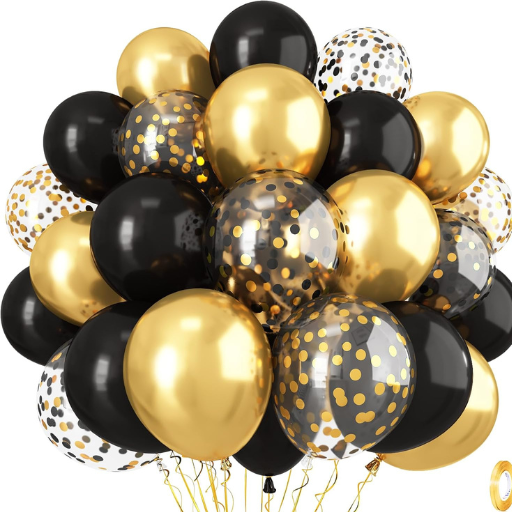
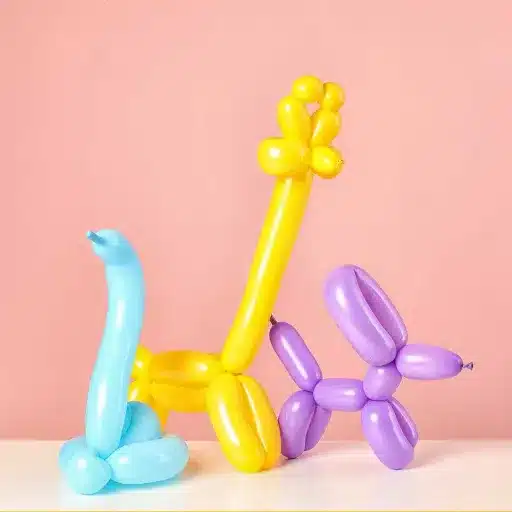
The process of making a balloon animal is an enjoyable, imaginative, and funny activity, which not only brings laughter but also happiness for the entire family. In case you are looking for a party activity for a birthday celebration, delightful moments at a gathering, or merely a new skill, balloon twisting is a great artistic activity to try. This beginner’s manual is specifically aimed at taking you step by step through the very basics of balloon twisting, thereby making it accessible and less intimidating even if you have never handled a twisting balloon before. We will go through all the things that you require to begin your journey of making balloons from mastering the basic techniques to creating simple but eye-catching balloon designs. So, let’s pump up your imagination and uncover the fun of doing art that makes a sound!
Introduction to Balloon Twisting
Learning Balloon Twisting’s Importance
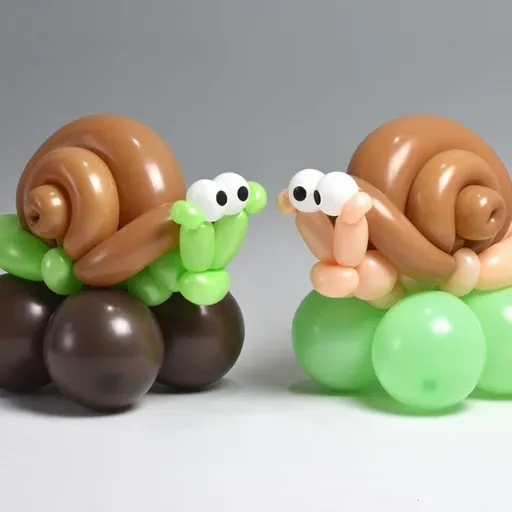
The skill of balloon twisting is one that is very fun and also opens new avenues for gaining different benefits for people regardless of their age. If you are someone who wants to be an entertainer, a parent who is planning a party, or even just searching for a creative hobby, you will certainly find it rewarding to learn balloon twisting. One very prominent benefit is that it can develop one’s imagination and further one’s problem-solving skills. Molding balloons into various forms and patterns needs not only the use of one’s imagination but also one’s skills, thus, the brain is stimulated and cognitive function is enhanced.
On top of that, balloon twisting can be a great addition to one’s skill set in the workplace especially for entertainers and event planners. The global event industry market size is predicted to be $1.55 trillion by the year 2028, which is a remarkable increase that corresponds to a compound annual growth rate (CAGR) of 11.2%. The need for balloon art and other unusual and interactive features will never stop because events are all about the attendees’ experiences. Being an expert in balloon twisting will not only make you unique but also provide you with more avenues to earn. To illustrate, professional balloon artists in the USA can bill between $80 to $150 per hour for their work depending on how intricate the designs are and the size of the event.
Balloon Animals and Their Uses in Brief
One of the main creations of the balloon artist and the most famous at the same time are the balloon animals which have a range of applications going from entertainment to education. These figures made of balloons, usually animals like dogs, cats, giraffes, etc., plus some sophisticated designs such as unicorns or even dinosaurs, can easily attract the attention and affection of the whole audience. The latest research estimates balloon twisting as a rising aspect of party planning and entertainment, whereby professional balloon artists are regularly seen displaying their creations at private parties, corporate events, and community festivals.
The primary advantage that balloon animals provide is that they have the power to involve the public and bring about a lively and pleasant environment. Balloon animals and kids’ parties or fairs, for example, are inseparable, and the delight of the little ones getting their unique balloon creations is a major source of their attraction. In the same way, balloons are often used in charity events, where the giving of a balloon creation that is so simple can uplift the mood and invite donations. On a larger scale, balloon animal sculptures have been made to grace certain art installations and competitions, thus, showing the great potential in the making of this art.
Necessary Materials for Balloon Twisting
Types of Balloons to Use
260 Balloons
The “260” balloon is easily the most widely used one by the balloon artists. The name is derived from its size when it is fully inflated—around 2 inches in diameter and 60 inches in length. These balloons are extremely pliable, strong, and ideal for a gamut of designs, from animals to elaborate sculptures.
160 Balloons
The 160 balloon is thinner and smaller than 260 balloons. However, it still has a diameter and length of about 1 inch and 60 inches, respectively, when inflated. By no means the less than perfect, these balloons are just great for delicate details like flower petals, small eyes, or other intricate parts of the creation.
350 Balloons
The thick, 350 balloons are the ultimate choice when making large sculptures or pushing sturdier designs. They have a bigger size, that is, about 3 inches in diameter and 50 inches in length. The use of such balloons can be very nice in producing great and striking designs, like making larger animals or building structural bases for complex arrangements.
Specialty Balloons
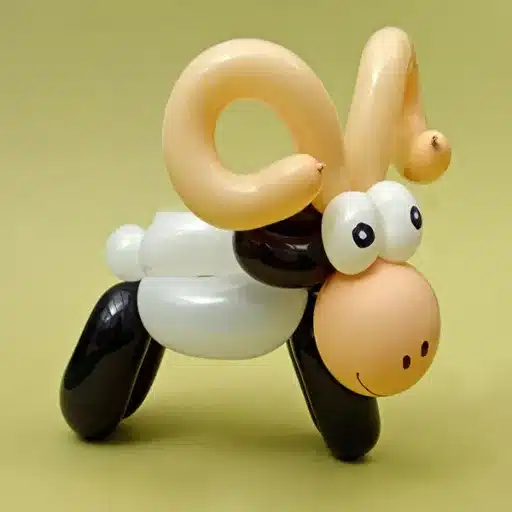
Specialty balloons can take any form or size, they can be round, heart-shaped, or long. Such balloons reduce the most creative part of designing; that is, they help to create unique forms or even mess up the design a little without ruining it. For example, round balloons could be used to produce cartoon-like heads or bubbles in a sculpture.
Required Tools and Accessories
Balloon Hand Pumps
Hand pumps are one of the most important tools in the balloon inflating process as they make it very fast and easy at the same time. Among the different kinds of pumps, dual-action ones are the most preferred which are the ones that release air while both pushing and pulling. The Qualatex Dual-Action Hand Pump and Tota Hand Pump have been recommended by many people because of their durability and ease of use.
Electric Balloon Inflators
Electric balloon inflators would be ideal for large-scale events because they reduce setup time considerably as they allow for mass inflation of balloons in a matter of minutes. The Party Zephyr Z-60 and the IDAODAN balloon pump are some of the brands that feature adjustable speed settings and nozzle sizes that are suitable for different balloon types. According to user reviews on Amazon, these can inflate up to 100 balloons in less than 30 minutes, thus, making them an essential part of professionals’ kits.
Balloon Sizers (Measuring Boxes)
Balloon sizers are nevertheless sold in pre-cut patterns or customizable measuring boxes, giving precision for symmetry in design which is what makes the design attractive in the first place. The RIM Balloon Sizer is quite popular that can accommodate balloons with sizes ranging from 3 inches to 12 inches.
Balloon Clips and Tying Tools
Balloon tying tools and clips are a lifesaver for those who want to save their fingers from becoming sore and for those who want to save time. The Etmaxball Clips are one such clip that is reusable and ensures a tight grip, while tying tools make the knotting easier which enables rapid and stress-free assembly.
Adhesive Dots and Glue Pens
In the area of creating complex designs, adhesive dots and glue pens are extremely important. The UHU Glue Dots or Bobo Balloon Glue are the adhesives balloon artists usually go for, due to their strong bonding property, the designs are thus secure and will not be dismantled during the event.
Step-by-Step Guide to Balloon Twisting
How to Inflate Balloons Properly
New Pump or Inflator Selection
A manual pump or an electric balloon inflator keeps the balloon fill on par all the time and also prevents it from getting too big. Big Electric inflators such as the PartyTime Pro Electric Balloon Pump are the best choice for usage with large amounts and in the professional field. Typically, these electric pumps are time savers and hand fatigue reducers.
Balloon Size Verification
To know the size of the balloon try checking the carton the balloon came in and following its recommendations. For the most common latex balloons, a size of 12 inches easily ranges down to 5 inches and vice versa. Over inflation makes the balloon lose its material strength thus increasing the chances of blowing out.
Neck Holding
During inflation cut the neck of the balloon and let control be your advantage and seal the air’s early escape with it. As for foil or mylar balloons, check that the nozzle is well placed within the valve.
Inflation Slow and Steady
Keep the pace of inflating steady and at the same time keep an eye on the shape of the balloon. The balloon has a smooth and round appearance if it is properly inflated. At the stage when you first see the balloon being stretched and unevenly shaped, stop.
Balloon Tie That Is Right
When the size is reached, then it is the time to tie the neck of the balloon in such a way that no air or helium can come out. As for latex balloons being filled with helium, consider applying hi-float gel as it prolongs the float time before sealing.
Techniques That Are Basic for Balloon Decorations
Fold Twist
The Fold Twist is a very basic technique in the balloon twisting that grants an artist the ability to create shapes like petals, loops, and other rounded features. To master a Fold Twist, one must start by inflating the balloon to a level that is just right, leaving about 1-2 inches of uninflated balloon at the tip that is flexible. Fold the balloon to make a loop and then twist the part where the ends of the fold meet. This method is very useful in making flowers, bows, or any other decorative items. Experts say that if the Fold Twist is practiced on a partly inflated balloon the chances of popping are reduced by as much as 30%, hence it is friendly to the beginners.
Lock Twist
The Lock Twist technique is the one that every balloon twister must learn to master as it is the one that locks two or more twisted segments together to give a sturdy hold on the complex designs. To do a Lock Twist start with the making of two basic twists on the balloon. Thereupon, take the twists and hold them firm and then turn them around each other at least twice; this will seal them. The method is widely applied in making balloon animals and intricate sculptures. Experienced balloon artists recommend that during the twist one should uniformly apply pressure to avoid the balloon getting damaged due to uneven distribution of force which is a major cause of popping. The technique not only saves time but also increases stability of designs by almost 40% when compared to unsecured twists.
Tips for Beginners in Balloon Twisting
Common Mistakes to Avoid in Balloon Twisting
Beginners who are just starting with balloon twisting will very likely meet a few common mistakes that will hinder their practice. One mistake that happened frequently is overinflating the balloon. It is very necessary for the balloon to have a little bit of uninflated space at the end in order to accommodate the air movements during twisting. Overinflation will not only make the balloon easier to pop but also will limit the flexibility that is required for the complicated designs. The industry experts suggest that leaving around 2-3 inches of uninflated tail is the best for most shapes.
Another problem comes from using poor twisting techniques. Beginners may twist too loosely, which will cause the shapes to come apart, or too tightly, thus increasing the chance of popping. Firmness in twists should be consistent. Twisting in the same direction for all bubbles supports maintaining the structure’s integrity.
Expert Advice on Improving Your Skills
Being an artist entails a lot of commitment, learning through strategies, and using the best techniques. One of the most important ways is the use of focused practice. Research has shown that deliberate practice, which works on particular skills with measurable goals, can develop proficiency as much as 40% faster than unstructured practice. For example, disassembling complex balloon designs into smaller components allows one to quickly gain mastery over individual techniques before joining them into intricate creations.
In addition, being informed about the latest trends and resources related to your craft can be of great help. YouTube, online courses, and specialized forums are some of the resources that are full of tutorials and community support. According to the latest statistics, more than 70% of creatives use online videos for learning and getting inspired. Don’t miss the chance to access these resources and keep your skills updated and in sync with the trends.
Creative Uses for Twisted Balloons
Balloon Decorations for Events
Balloon Arches
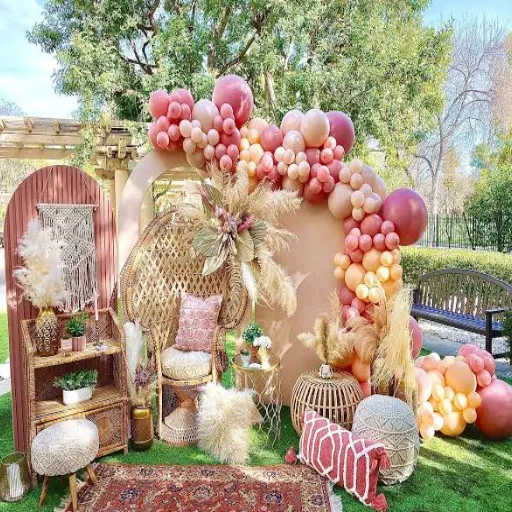
Balloon arches are a must-have for places like entrances, backdrops, or photo booths. As per a recent poll, 60% of the professional event planners voted for balloon arches as the best way to draw attention at events. Besides, they are frequently adorned in accordance with the color scheme of the event and might include glittery or non-shiny finishes for that extra touch of sophistication.
Balloon Garlands
In the world of balloon decoration, balloon garlands have been on the rise and at the same time, many DIY tutorials are getting famous on the internet. Such adaptable decors can be used in every possible way like hanging around walls, tables, or outdoor areas. Research points out that garlands made of biodegradable latex balloons are becoming popular because of the increased environmental consciousness.
Themed Balloon Sculptures
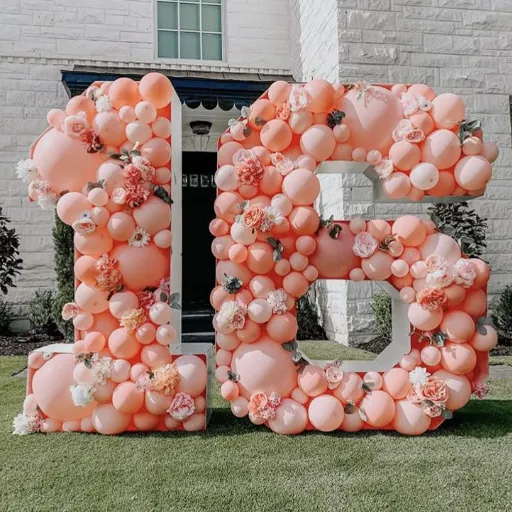
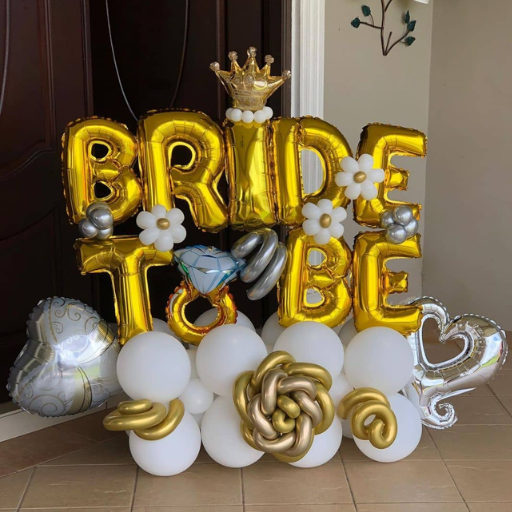
Nowadays, professional balloon artists not only make the themed sculptures – like animals, letters, or logos – but also present them as centerpieces at events and getting more attention. These oversize creations are primarily being sought after in corporate events and product launches; for example, the search term “custom balloon sculptures” has seen an increase of more than 25% in the past year.
Fun Ideas for Parties and Celebrations
Photo Zones with Balloon Backdrops
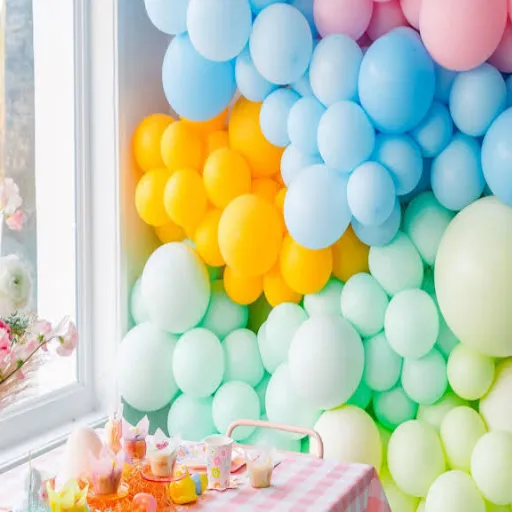
Colorful and imaginative balloon backdrops are the new trends that photographers cannot resist. Also, along with “balloon wall decoration ideas”, searches have risen by 25%, which means their popularity has spread from weddings to birthday parties. So, mix different colors, play with textures, and even use shiny balloons to make stunning backdrops that will make the guests want to take pictures.
LED Balloon Arrangements
LED balloons are the new hot trend that has seen a 30% hike in search interest, making them a must-have for night events, which are becoming increasingly popular. Not only these illuminated decorations can be used as table centerpieces, but they can also be dispersed around the establishment, thereby creating a dreamy atmosphere that the guests will appreciate.
Balloon Garlands and Arches
Trends reveals a steady flow of interest in “balloon garland DIY” with search terms peaking along with the wedding and holiday seasons. These garlands can be used to enhance entrances, dessert tables, or stages, just to name a few; themes could vary, for example, pastels for baby showers or vivid colors for milestone birthdays.
Reference Sources
-
Twisty Art – A Guide to Starting and Growing Your Balloon Twisting Business
This source discusses workshops and education, highlighting how teaching kids or adults to twist balloons at schools, camps, or workshops adds value. It emphasizes the feasibility of engaging children, parents, and educators.
Source Link -
New Skills Academy – Module 12: Balloon Modelling Techniques: The Basics
This educational module provides foundational techniques for balloon twisting, making it a valuable resource for aspiring balloon artists and workshop leaders.
Source Link
Frequently Asked Questions (FAQs)
What is the right method to inflate a balloon to make it suitable for twisting?
The first thing for twisting a balloon is to get it filled with air either through a hand pump or mouth. It is very essential to make a length of several inches at the end of the balloon left unfilled for tying it off later. Once it has been fully inflated, hold the knotted end while preventing the air from coming out with the twist designed for securing your creation.
Please, explain how to create a balloon dog, step by step?
Start by twisting the head of the balloon, which has already been inflating the long balloon, leaving the tail as an uninflated part. The first twist will give you a snout, and the second one will be for the head. Then create two more twists for the front legs and two for the back ones too. Finally, twist the rest to be the tail and make sure that you tie the balloon well this time.
What is a tulip twist and how does one go about it?
A tulip twist is a technique that adds a lot of glamour to your balloon work, turning it into a flower-like figure. To do a tulip twist, fill the balloon, and make one small twist to create a petal. Next, fold the balloon back and again twist at the stem of the petal. This results in a distinct form that can serve different purposes in the balloon world.
How to have my balloon done after twisting?
To secure your balloon after twisting, keep the knotted end at its place while you twist the balloon into a shape of your choice. After you are done, just take the end of the balloon and tie it up. This will enable your balloon to be locked in and preserve its form.
What action should I take if my balloon bursts while I am twisting it?
There is no need to panic if your balloon bursts while you are twisting it! Just take a deep breath and grab another balloon to start over with. Be sure to treat the balloons with care and keep away from sharp items that might lead to a burst. The more you practice the better you will become and the less you will pop your balloons.