

Biodegradable balloons are those made of 100% natural rubber latex, which contains bacteria and environmental factors that cause them to decompose over time. You might be surprised to know, as compared to the eco-incompatible synthetic and foil types, biodegradable balloons have about the same lifespan as a dried oak leaf, which would typically be from six months to four years depending on the specific circumstances.
However, here is the issue. Go to any store that sells party supplies and you will find the inscription “biodegradable” on various tools. The concept of what makes one kind bauble biodegradable while the other one is pure dashing is like a paradox to most purchasers. Don’t tell me about labels as they are very misleading and too ambitious. The claims too are general in nature most of the times. And every person is made to understand a lot regarding the concepts of biodegradability.
This manual brings a scalable solution. Through practical demonstration of biodegradable balloons, you are going to get everything clear on what they are, how they are manufactured, how they decompose, and how to distinguish the real deal from marketing rhetoric. Further, you will discover more advanced areas such as why it is more sustainable to purchase certain materials, and which badges of credibility to check, and which will convince you that degradable balloons are better than the conventions isolations.
Biodegradable bleema Blum trading Shunning Industrial Co. offers to our customers environmentally friendly balloons that are made out of natural rubber latex. We have helped countless special event organizers, corporate clients, and ordinary users select green event décor. We’ll pass down the knowledge and experience that we’ve received so that you’re informed while planning your next festivity.
Key Takeaways
- Biodegradable balloons are made from 100% natural rubber latex, not synthetic petroleum-based materials.
- They decompose in 6 months to 4 years under optimal conditions through bacterial action and environmental exposure.
- Look for FSC or Rainforest Alliance certifications to verify claims and avoid greenwashing.
- Biodegradable balloons perform identically to conventional balloons for helium retention, color vibrancy, and durability.
- “Biodegradable” does not mean “litter-safe.” All balloons require responsible disposal.
What Are Biodegradable Balloons?
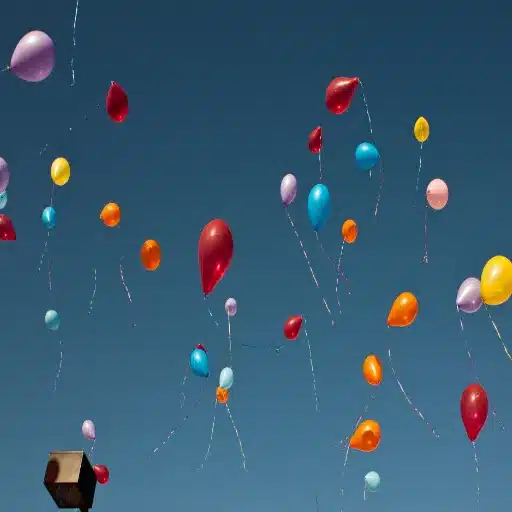
Biodegradable latex balloons are the perfect floral decorations made from this raw material that is extracted from the tree sap of the Hevea brasiliensis tree which is a renewable energy source. The natural latex material is composed of long polymer chains that can be broken down by microorganisms over a period of time. By so doing, the balloon is just as attractive in appearance as the conventional ones but after use, it instead decomposes into the environment, rather than poses the risk of its disposal in landfills for so many centuries.
Now, there is a very important distinction between the types of balloons and it is the raw material used. Real biodegradable latex balloon uses 100% natural latex rubber. Many so called “latex” actually use synthetic latex blends in them. Often this means constituents that are derived from petroleum which in turns limits the biodegradability of the product. Packaging of a balloon might state that it is “natural latex”, but in fact there is a considerable amount of synthetic material used. Therefore, being able to read what is in labels is necessary.
The term biodegradable consists of three key subclasses. The most popular option is natural latex balloons. Organic rubber uses latex from sustainable sources, such as certified forests. Balloon remains are there are plant based choices too, however they are only in their infancy and if presenters are not likely to raise a third party issue.
Looking above verifies to show specific essentials that help in combating greenwash. The Forest Stewardship Council (FSC) certifies that latex comes from responsibly managed forests. Rainforest Alliance ensures sustainable farming is practiced. These labels ascertained that the supply chain is clean and corruption free as it has been audited by other firms. All these logos are safe to look out on packaging as they are genuinely represented.
One critical myth needs addressing. “Biodegradable” is not a regulated term in all markets. Some manufacturers use it loosely. A foil balloon with a thin latex coating might claim biodegradability, but the mylar core will persist for centuries. Always verify the base material. If the packaging does not specify 100% natural rubber latex, ask questions.
What Makes a Balloon Biodegradable?
The science hiding behind decomposability is the one found in the rubber tree. More specifically, the Hevea brasiliensis trees which yield a white milky sap known as latex. This sap i.e. latex is harvested by tappers who puncture the bark in such a way as to secure collection. It will not severely impact or kill a trees health. Mainly because certain trees are capable of producing latex for a period of several decades thus the term sustainable.
After that it is taken into the factory for further processing where the crude latex is coagulated. They usually use relevant natural acids to facilitate the coagulation. The resultant rubber is then formed via a process called molding into the shape of rubber balloons. Blowing hot air over the formed raw balloons cures them to attain the elastic properties that will make the balloons expand with air. At the end of this process, we end up with the final product which is 100% natural rubber with little or no additives.
There is an alternative way of making latex, which is due to the raw materials, used in the manufacturing process: syrene and butadien are products obtained by processing crude oil. Their properties are that the synthetic polymers have been designed without the traditional latex raw materials and are resistant to the action of bacteria once exposed to the environment hence retaining the natural shape for a longer period. A natural latex balloon and a latex balloon, both from synthetic rubber, may display such identical characteristics, yet the latter can decompose in the environment in a span of many years or even decades.
In designing her daughter’s quinceanera on March 2026, Eleanor Rodriguez specifically includes claims for use of biodegradable balloons. Her decorator assured her the balloons were “eco-friendly.” Later, Eleanor saw the package and read, that the products were 60% synthetic. They were unaware of the decorator’s artisan skills and they trusted the box as if it were more important than the product. Eleanor decided to get 100% natural latex balloons with the right certification from a different supplier. Her festival was a big party and the most important celebration was that she had the confidence that her embellishments would disappear in the course of time and making Mother Nature very happy.
Additives too are relevant in manufacturing balloons, where some firms prefer the use of some types of natural and synthetic couplings or the use of synthetic diluents to bring about the desired stretchiness. The time to take risks is over; hence, the time to slow the process of decomposition and the introduction of toxins into the environment has come. Thus, such contamination may be reduced if no synthetic compounds are used in the preparation of biodegradable balloons. The sun here is a silicate-adhesive, which is natural and has no modifiers.
How Long Do Biodegradable Balloons Take to Decompose?
The decomposition rate of natural rubber balloons is approximately 6 months to 4 years, best required environmental conditions are found. This timeline is the same with that of an oak leaf. The two vary mainly rely on the surrounding but not the quality of the material.
Decomposition processes are static. Four elements have to work together to encourage decomposition. Initially, the role of sunlight is providing the radiation to break down the material. Second, there should be oxygen for aerobic bacteria to be available. Next, water is necessary for the microbial organisms. Lastly, under high temperature, bacterial metabolism increases resulting in faster decomposition. When all the four conditions exert their influence at the same time, the decomposition occurs much faster.
The breakdown of substances can take varied durations in different surroundings. In fact, a balloon made out of latex in such an environment could be expected to decompose completely within a period of six to twelve months. In such an ideal environment, where the conditions are not right for the growth and reproduction of bacteria, the length of the decomposition process may stretch up to four years or so. The decomposition process in the landfills can be clogged in the aggressive anaerobic environments where oxygen is scarce and the organic materials are already wetted, making them difficult to disintegrate. Therefore, even in the matter of decomposable plastics, disposal still plays a crucial role.
Here is a practical comparison of decomposition timelines:
| Material | Decomposition Time | Conditions Required |
|---|---|---|
| Natural latex balloons | 6 months to 4 years | Sunlight, oxygen, moisture, bacteria |
| Synthetic latex balloons | 10+ years | Minimal; persistent in most environments |
| Foil (Mylar) balloons | 400+ years | Virtually indestructible in nature |
| Plastic bags | 20+ years | Limited breakdown even with exposure |
| Oak leaves | 6 months to 4 years | Natural soil conditions |
One important clarification is necessary. Biodegradable does not mean litter-safe. Releasing balloons outdoors, even biodegradable ones, creates unnecessary environmental risk. Animals might ingest fragments before decomposition completes. Litter accumulation damages ecosystems. The responsible choice is always controlled disposal.
Biodegradable Balloons vs. Regular Balloons: What Is the Difference?
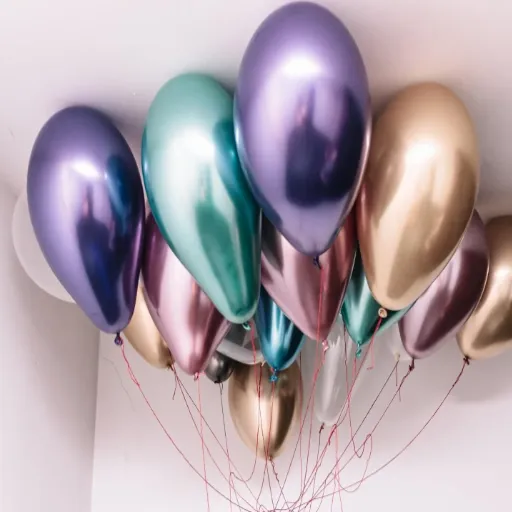
In addition to the environmental Impact, there exists a lot more that separates biodegradable balloons from the regular ones. The decision is also influenced by factors like performance, aesthetics cost and flexibity of the product.
The most obvious difference here is the make up of the materials. Biodegradable balloons use 100% natural rubber latex which is extracted from trees whereas regular latex balloons rely on petroleum-based synthetic latex mixtures. Mylar worn as us-east for foil balloons is PET-type plastic which is never degradable.
A common misconception is in the statement about their utility. Renewable balloons can be very easily replaced with usual chemically treated ones because there are no significant benefits. The helium retention time in the ball may vary after some period of time. For the balls of standard size, the normal time frame is 12-24 hours to retain the gas in the ball. There isn’t even this much contrast as far as the vibrancy of colors is concerned while ornamenting the balloons. There is no statistical distinction observed in the usage of the balls both while setting up and during the exposition. It is important to note that the state-of-art natural latex manufacturing helps to cool the already existing differences in performance that were in place decades ago.
Pricing stems modestly. Cost on the condition that as biodegradable balloons costs are between 10% and 25% higher than traditional synthetic balloons. This additional cost is related to the very high standards of the country and also the costs that many farmers will incur to conform to the standards. This is still for most part negligible in normal cases as the price only fluctuates once in awhile. Using twenty dozens of balloons costing each fifteen or thirty other dollars more. So many of our customers appreciate our sustainable contribution for which they are willing to pay that little extra.
It was a practical lesson the Greenleaf Events team had to face. Our customers’ expectations changed quickly over the last few years, for example in 2025 they transformed their business and replaced all the blimps in events with biodegradable ones. It had been thought also that the changeover might cut down on the number of events because a biodegradable product has a varied ratio not nearly as flexible as synthetic ones. To their surprise this social media platform was free from criticism. The supplier did not complain at all. In fact, rating of customer satisfaction significantly increased. In the comments of one corporate customer’s post-event questionnaire, the one which somehow was particularly active about this and was perhaps long enough, they even complemented the dear choices. Many differences will be there – nominate comprises an environmental benefit will be one of the differences for sure over and above the others. GreenLeaf has overcome this bias and instead entrenched marketing of their environmentally friendly services as a strength.
Furthermore, amid the customization options offered by NATURAL LATEX, printing, color tempering and even shape setting prove to be as feasibly available as it is with artificial or synthetic substances. For instance, Shanxi Trade Co., Ltd. provides custom print biodegradable balloons for wedding favors, party decorations, and other corporate and non-corporate events. The green option enables the environment friendly and does not diminish your creativity ambitions or strategies in any way.
Are Biodegradable Balloons Really Biodegradable? Addressing Skepticism
Consumer doubt on the claims of biodegradability is not wrong or invalid. Many organizations falsely make allegations of being eco-friendly companies. This is very prevalent in manufacturing business of party’s essentials. Mislabeled products, false advertising, and deceptive advertising practices all play a major role in deceiving even the most intellectual people.
Evidences regarding the biodegradability of natural latex come from various scientific publications and examinations manufactured by specific industries. Efforts in degrading latex nitrile have depicted biodegradation rates in latex as exceptionally high due to presence of microorganisms in the environment. When it comes to natural latex biodegradation, bumper studies have shown that it decomposes through bacteria when found in the soil and or surrounded by moist and oxygen as it decomposes very easily. The chemical composition and structure of natural rubber is unlike that of polymers. This is not a surprise as it is a plant material that degrades rapidly with the help of microorganisms.
However, not every product labeled “biodegradable” meets this standard. Red flags should alert you to potential greenwashing:
- Vague “eco-friendly” or “green” labels without specific material claims
- Missing certification logos from recognized organizations like FSC
- Biodegradable” claims on foil or Mylar balloons, which is scientifically impossible
- Unrealistic decomposition timelines like “degrades in weeks”
- Packaging that says “natural latex” without specifying “100% natural rubber latex”
Being transparent separates reliable suppliers from marketers trying to take advantage of the customer. Always ask for the level of specific detail. What is the rubber latex composition of a balloon? Are the sources of raw material certified? Is there any documentation such as quality reports? These sorts of questions are expected from the better manufacturers.
As for Shangxin Trading Co., Ltd., material specifications are disclosed to everyone. Our eco-friendly balloons are made completely from natural rubber latex to which FSC tree plantation mechanism has been put in place. We present COC certificates upon demand. We have a few buyers who want to see copies of the eco-labels in the supply chain and they are not afraid to ask for them. As such, we conform to everything they require since, it is all dependent on artistic ability.
Benefits of Biodegradable Balloons
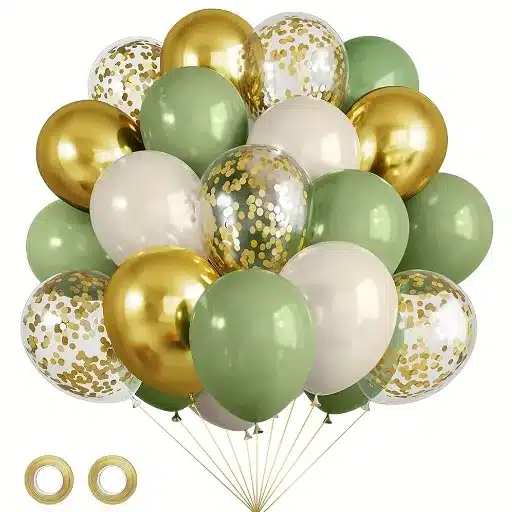
By choosing biodegradable balloons, we essentially look at a multi leveled system of benefits depicting the ecological, functional and behavioral advantages.
When the term environmental concern is applied, it is soon obvious that there are benefits that are immediate and most of them are very significant. The environment will, for instance, be positively affected when biodegradable latex balloons are used since the material diminishes slowly. In addition, raw materials are extractable from regions with forests in a relatively steady state as opposed to petroleum reserves that are better and larger. Records of the production systems also suggest that this material is not compromise-firing forests through inappropriate harvesting. When broken up, these balloons do not enter the aquatic systems with the help of the currents.
The performance experience of ours at the event does not let down. Within the set time, the colors are still very attractive. And the helium also loses its consistence. And also, such thin balloon walls do not distort from carrying the weights which arise within the professional setup that easily require very many hours to be worked out. The appearance and quality of the products are so alike, that no guest will be able to tell the difference.
Quality of brand and value in social responsibility are aspects that are important to clients. Many businesses are currently experiencing the predicament of having to show the society that they are not just profit making organizations but are also social and environmental stakeholders. They may appear as a trivial thing to worry about but event decorations are an indication of what an organization believes in. Hence the use of biodegrade-able balloons for decoration purposes in an event, product launch or an inventory gallery aligns with the efforts of being supportive of the environment. The guests are just not blind.
This was a lesson a technology company, based in Austin, learnt after its 2026 annual employee meeting. There, the marketing department had a discussion-whether or not it was feasible to use biodegradable balloons on just a one-day business event. The latter is chosen, and the marketing collateral of an event reflected this. The post-event evaluation revealed that even the most discerning attending reps cited the mentioned effort as one of the three most positive aspects of the whole occasion. Though the cost of the biodegradable balloons was forty dollars greater, the benefits were incalculable.
Price should not pose a problem for most budgets. The low, almost negligible increase, even if there is any price difference, between regular and biodegradable options is reasonable. In addition, the performance of eco-friendly balloons is even more superior to traditional ones, guaranteeing you satisfactory outcomes. Inflate your order and pay a bargain price on every single bush of the biodegradable balloons at Females. Trading. Shanxi Co., Ltd.
Behavioral reasons also come into play. People celebrate to be happy, not feel bad. You do not have to worry about appreciating the multimedia decoration of that party somewhere else.
Frequently Asked Questions
What are biodegradable balloons made of?
Biodegradable balloons are made from 100% natural rubber latex harvested from Hevea brasiliensis trees. This renewable material contains organic polymers that microorganisms can break down through natural decomposition processes.
How long do biodegradable balloons take to decompose?
Natural latex balloons decompose in six months to four years under optimal conditions with sunlight, oxygen, moisture, and bacterial activity. The timeline varies based on environmental exposure and matches the decomposition rate of oak leaves.
Are all latex balloons biodegradable?
No. Only balloons made from 100% natural rubber latex are biodegradable. Many products labeled “latex” contain synthetic petroleum-based blends that resist decomposition. Always verify the specific material composition before purchasing.
Can biodegradable balloons be filled with helium?
Yes. Biodegradable natural latex balloons perform identically to synthetic alternatives for helium inflation. Helium retention typically lasts twelve to twenty-four hours for standard sizes, matching conventional balloon performance.
Are biodegradable balloons safe for wildlife?
Biodegradable balloons are safer than foil alternatives but still require responsible disposal. No balloon litter is completely safe for wildlife. Always pop and dispose of balloons properly rather than releasing them outdoors.
Do biodegradable balloons cost more?
Biodegradable balloons typically cost 10% to 25% more than synthetic latex alternatives. The modest premium reflects sustainable sourcing and certification costs. Bulk orders and wholesale pricing reduce per-unit expenses significantly.
Can I compost biodegradable balloons at home?
Home composting is possible but not ideal. Home compost piles rarely reach the temperature and microbial activity levels needed for efficient latex breakdown. Commercial composting facilities handle latex more effectively. The best disposal method is popping balloons and placing them in regular waste, where they will decompose in landfill conditions over time.
How can I tell if a balloon is truly biodegradable?
Look for three indicators. First, the packaging should specify “100% natural rubber latex.” Second, recognized certifications like FSC or Rainforest Alliance should appear on the label. Third, reputable suppliers provide documentation upon request. Avoid vague claims without specific material details.
Conclusion
Biodegradable balloons prove that celebrations and sustainability can coexist beautifully. Understanding what makes a balloon genuinely biodegradable empowers you to make informed choices. It also helps you avoid greenwashing and support suppliers who prioritize transparency.
Here are the key points to remember:
- Genuine biodegradable balloons are made from 100% natural rubber latex, not synthetic blends.
- Decomposition takes six months to four years under optimal conditions.
- Certifications like FSC and Rainforest Alliance verify sustainable sourcing claims.
- Performance matches conventional balloons for color, durability, and helium retention.
- Responsible disposal matters even with biodegradable materials.
If you are looking to plan a small birthday party or set arrangements for a beautiful wedding, or if your intention is organizing a bigger program involving employees or interested persons, the biodegradable balloons will work not only for achieving the intended visual effect but also to the environment selected. The small cost difference can enhance sustainability in events planning.
In Trading Shanxi Co., Ltd., we produce biodegradable balloons for all purposes and all sizes of events. Our natural rubber latex comes from countries and companies that have sustainable certification. Wholesaling and bulk discounting exist as services in the company. Of course, enough information on the green themed parties where we can offer advice, and the concerned person decides to go to our leaders.