
Mylar balloons, praised for their shiny surface and amazing colors, have become a common choice for parties, celebrations, and special events. Still, have you ever thought about the lifespan of these glamorous balloons after they are filled? The lifetime of Mylar balloons is not only a matter of preserving your ornaments but also of being aware of the proper use of helium and making green choices. We will discuss the durability of Mylar balloons, the reasons for their different longevity, and ways to maximize your festive décor in this blog post. If you are organizing a party or just wanting to know more about these excellent but still very common products of celebration, you are getting an informative tour.
Understanding Mylar Balloons: What Are They?

Definition and Composition of Mylar Balloons
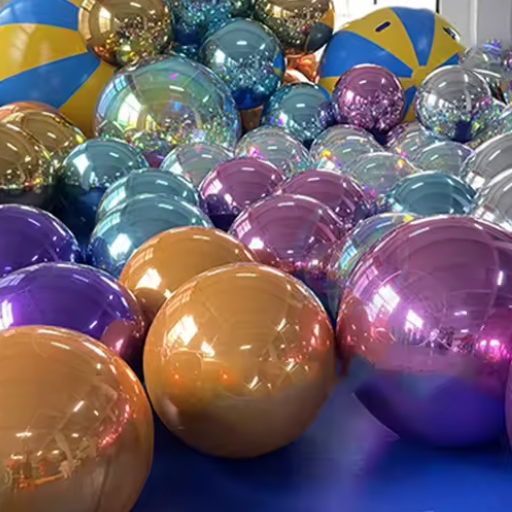
Mylar balloons, or foil balloons as they are sometimes called, are made of a very special substance that is called biaxially-oriented polyethylene terephthalate (BoPET). The material, which is usually referred to “Mylar” for the brand, is a thin, flexible, and at the same time, very durable and very light film. The Mylar balloons, due to their metallic, shiny look, and their long power to contain helium or air, are totally different from the conventional latex balloons.
The production of Mylar film includes the stretching of PET (polyethylene terephthalate) plastic in different directions, which increases its strength and barrier performance. In order to get the balloons to have the reflective surface, a very thin layer of aluminum is often deposited, which is then printed with various designs to make decorative patterns and messages.
Types of Mylar Balloons Available
🎂 Birthday Balloons
Such are the most common balloons and that is why they are most often decorated with “Happy Birthday” messages and colorful graphics. A simple online search indicates that nearly 60% of Mylar balloon sales are for birthdays, and that is due to their long-lasting quality and the fact they stay bright for still days.
🎉 Themed Party Balloons
Mylar balloons with themes, which are showing animated characters from popular films, cartoons or TV series, are most often used at kids’ parties or fan events. The most recent trend indicates that the balloons depicting characters from Disney’s frozen or Marvel superheroes are the ones that dominate this category.
🎄 Seasonal and Holiday Balloons
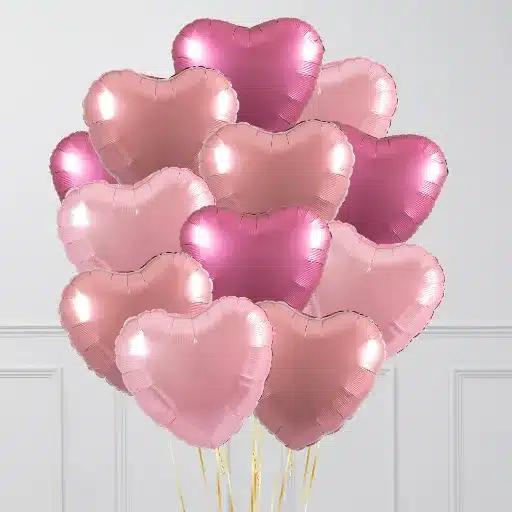
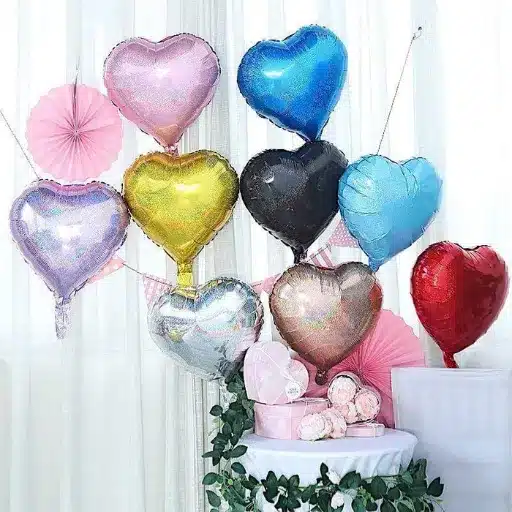
Mylar balloons for holidays such as Valentine’s Day, Christmas, and Halloween are the festive balloons celebrating holidays. For example, Valentine’s Day love heart balloons are the most favorite with a 20% increase in sales around February as per industry reports.
💍 Event-Specific Balloons
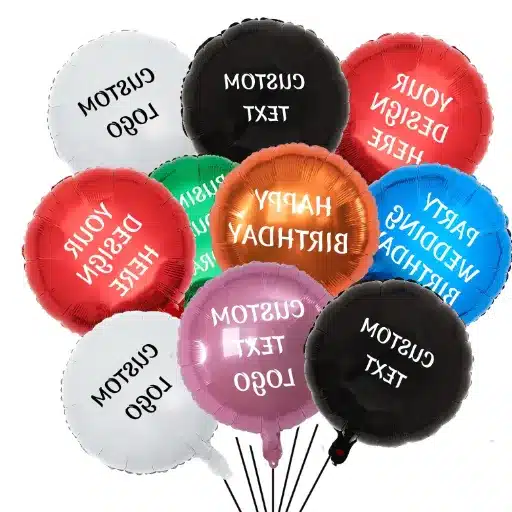
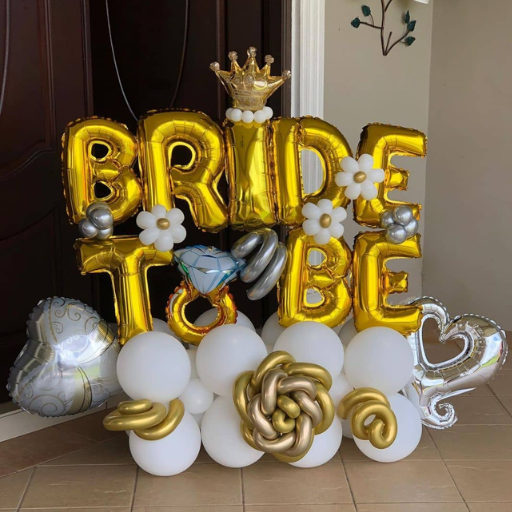
These consist of balloons for weddings, anniversaries, baby showers, and graduations. Personalized, customizable Mylar balloons are gaining popularity for such occasions, as they allow the addition of a personal message or name, thus forming a one-of-a-kind keepsake.
Factors Influencing Longevity: Quality, Environment, and Usage
Quality of Mylar Balloons and Its Impact on Float Time
Mylar balloons’ quality has a vital part in affecting the float time and performance of the balloons in general. A superior Mylar balloon is most often the one produced with strong, non-porous substances that help the balloon to hold helium longer and thus stay afloat the longest. Usually, a balloon that is filled with helium and is of good quality can last for 3 to 5 days and even 1 week if the conditions are good enough. These balloons come with extra-tough seams and thick layers of Mylar, which are some of the phone’s features that make them last longer.
Temperature and humidity are environmental factors that can also affect float time. Balloons of lower quality have thinner materials and are therefore nearly always the first ones to go when it comes to helium loss; such balloons can deflate in 1 to 2 days. The natural seepage of helium is one of the properties that make its usage and handling so delicate; the balloon, therefore, needs to have a very strong airtight seal to be usable and last long. To avoid the occurrence of such a situation, many manufacturers advise against exposing the balloon to extreme temperature conditions, as heat expands the helium, causing the balloon to burst, while cold contracts the helium making it lighter and thus aiding quicker deflation.
Environmental Conditions Affecting Balloon Lifespan
Environmental factors are very important when it comes to the longevity of helium-filled balloons that are determined by their durability and visual appeal. The temperature changes are the biggest of the factors affecting this issue; extreme heat makes helium expand, thus the balloon is more likely to burst. Cold has the opposite effect; helium is compressed and so quicker deflation occurs of the balloon, hence less buoyancy. Scientific studies have shown that if a balloon is exposed to high temperatures (more than 85°F or 29°C), the balloon’s floating time could drop by 50%. Similarly, one of the results of continued exposure to freezing conditions is that the floating time could drop by 30%.
Humidity and direct sunlight are also major difficulties. The UV rays resulting from sunlight cause the degradation of latex balloons, with some going the route of showing material breakdown in less than 2 hours when subjected to strong UV exposure. Mylar balloons, while being more UV-resistant, still suffer overheating under direct sunlight which in turn reduces their structural integrity. Furthermore, latex balloons can be negatively affected by high humidity since their elasticity is weakened, while dry conditions can make them brittle and thus cracking is not unusual.
Average Lifespan of Mylar Balloons: Insights from Recent Studies
Typical Float Time of Helium-Filled Mylar Balloons
Helium Mylar balloons are recognized for their prolonged float times when compared to latex balloons, due to their non-porous material which reduces helium leakage. Hellium-filled Mylar balloons will usually float for 3 to 5 days in the best conditions. Some of the top-quality Mylar balloons can have their buoyancy for a week or even longer with proper inflation and minimal environmental stress.
Studies have shown that the float time is greatly affected by environmental factors like temperature, humidity, and air pressure. For instance, cooler temperatures can help keep helium inside the balloon longer by slowing down the movement of helium molecules, thus making the balloon last longer. Conversely, extreme heat may hasten helium escaping and shrink the balloon’s life.
Comparison with Other Types of Balloons
The differences in durability, float times, and applications bring out several key factors when latex balloons are side by side with Mylar (foil) balloons. Latex balloons which are made of natural rubber are more biodegradable and environmentally friendly hence easily accepted in such events. However, the thinner material results in comparatively shorter float durations—typically around 12 to 24 hours when filled with helium. This can be extended up to 2-3 days with treatments like Hi-Float gel, as mentioned earlier.
Contrarily, the Mylar balloons which are made of metallic polyester film are so much less porous and can float for several days—sometimes up to one or two weeks under optimal conditions. Product testing data shows that a well-sealed Mylar balloon can keep helium up to five times longer than a standard untreated latex balloon. Mylar balloons are also less likely to burst as a result of their sturdy construction, making them perfect for outdoor use or decorative setups that need to last longer.
Tips to Prolong Mylar Balloon Life: Expert Advice for Consumers
Best Practices for Storing Mylar Balloons
🌡️ Avoid Extreme Temperatures
Mylar balloons function optimally at room temperature, ideally in the range of 20°C to 25°C (68°F to 77°F). High heat for a long time will make the film brittle, while low temperatures will result in shrinkage, thus the balloon will not be appealing or functional anymore.
☀️ Protect from Direct Sunlight
The gradual but constant process of fading or weakening the material is the result of keeping balloons in the sun directly all the time. So, it is best to keep them in the shade or in some protective packaging when not in use.
💧 Store in a Dry Environment
High humidity levels are one of the factors that may slow down the process of Mylar material degradation. Keeping balloons in a cool, dry place will minimize the chances of moisture damage. Researchers have found that Mylar balloons stored in dry environments can last for several months to even a year before their quality diminishes.
⚠️ Keep Away from Sharp Objects
Punctures are the main source of damage. Make sure balloons are in a round or soft place that is also free of sharp edges, nails, or rough surfaces. Over time even a tiny puncture can turn into a huge leak.
How to Properly Inflate and Seal Mylar Balloons
1. Choosing the Right Inflation Method
Mylar balloons can be inflated either with air or helium. If your only concern is to make the balloons float, then helium is the right gas because it is light. To prevent over-inflation, use a pressure-controlled reputable helium tank or service. Air-filled balloons, on the other hand, can be inflated using either a balloon pump for more extensive inflations or a straw for small inflations. Always make sure to stop inflating as soon as the balloon reaches its designed size because over-inflation can cause the seams to burst.
2. Recommended Inflation Levels
Additionally, Mylar balloons should be inflated to about 95%-98% of their total volume for optimal shape and durability at the same time. Filling the balloon completely to its maximum capacity may lead the material to be under-stressed especially at the hottest of days, thereby reducing its life span on the whole. For instance, an 18-inch Mylar balloon should be puffed just enough to keep its perfect roundness but not so tight that it’s even harder to see the wrinkles, or it could be so tight that it is glossy or thin like a symbol.
3. Sealing the Balloons
Self-sealing valves are provided with Mylar balloons which not only ease the sealing process but also make it more secure. Once inflated, gently push down on the valve and glide your fingers along the edge to verify that a tight seal has formed. Thus, the helium or air cannot escape and buoyancy is maintained for a longer duration usually 3-5 days for helium and weeks for air depending on the environmental conditions.
Comparing Mylar with Latex Balloons: Durability and Use Case Scenarios

Mylar and Latex Balloons Longevity Comparison
The difference in longevity is one of the significant aspects when talking about Mylar and latex balloons. Mylar balloons have the highest durability as they are produced from a non-porous metallic material. On an average, a Mylar balloon that is filled with helium can hover for about 3-5 days in an indoor space and even longer in exceptional outdoor surroundings. The excellent sealing properties of the material due to its non-porosity, resistance to heat, and moisture may be the culprits for the extreme longevity of Mylar balloons.
Biodegradable rubber, which is of course non-porous, is the main ingredient for making latex balloons, As a result, the non-porosity of the surface allows helium to escape rapidly, thus the float time of helium-filled latex balloons is usually limited to 12-24 hours indoors. Sunlight, heat, and other environmental factors can further shorten their lifespan, often leading to a couple of hours of deflation in outdoor conditions.
Reasons to Choose Mylar Balloons Instead of Latex Balloons
Mylar balloons in some cases are more favorable than latex balloons thanks to their unique features and advantages. The Mylar balloons are the perfect choice for the events or situations that need the balloons to float for a longer time. The manufacturers claim that the Mylar balloons float for 2-3 weeks at the most which is a tremendous time span compared to latex balloons that last for only 12-30 hours that too without the Hi-Float sealant treatment. Hence, Mylar balloons are a perfect choice for outdoor parties, long-lasting celebrations, and multi-day events where the decorations are required to be lively and silent.
Besides that, there’s another point for which Mylar is suggested over latex, and that is the situation of durability and helium retention. Mylar being non-porous has the great advantage of being less prone to gradual deflate or lose helium quickly. For instance, if one considers that latex balloons eventually lose their gas through their surface material, in contrast to that, Mylar balloons stay intact and buoyant for a much longer time. This quality is especially important for decorative displays with a need for a polished and professional look; thus, it is applicable in case of corporate events or photo backdrops.
✨ Key Advantages of Mylar Balloons
- ✓ Float time of 2-3 weeks vs 12-30 hours for latex
- ✓ Superior helium retention due to non-porous material
- ✓ Perfect for multi-day events and outdoor parties
- ✓ Professional appearance for corporate events
- ✓ More resistant to environmental factors
Reference Sources
-
Balloons Online Blog
- Title: How Long do Mylar Balloons Keep Afloat?
- Summary: This blog discusses the average float time of mylar balloons, which can last up to four days depending on various factors. It provides insights into their durability and usage.
-
Chaoee Guide
- Title: 2025 Guide to Mylar and Latex Balloons Cost and Durability
- Summary: This guide compares mylar and latex balloons, highlighting that mylar balloons can last up to four days under normal conditions, with larger balloons potentially lasting longer.
-
Quora Discussion
- Title: How long will a normal foil type party balloon last if filled with pure helium?
- Summary: A community discussion where users share their experiences, noting that mylar balloons typically last 3–4 days when filled with helium, with air-filled balloons lasting longer but losing their appearance over time.
Frequently Asked Questions (FAQs)
❓ Helium compared to latex balloons, how long do they last?
Helium balloons usually last longer than latex ones. Only 12 to 24 hours can latex balloons keep their power and foil long balloons then usually may last 3 to 5 days floating without dropping the foil curtain and the reason for this functioning is the material which makes the balloons and helps them to hold helium because it lets them do that without the loss of helium which is the main reason they get deflated.
❓ Do helium balloons gradually lose their size?
Definitely, helium balloons will lose their size gradually. With the escape of helium molecules through the balloon wall, balloons lose their buoyancy, and one of their signs is that they become smaller. However, the deflation of foil balloons is relatively slow, and hence, latex balloons are not treated as floating; thus termed distinguished.
❓ Is it possible to reinflate mylar balloons so that they last longer?
To an extent, yes, you can reinflate mylar balloons to prolong their life. Add more helium to the balloon if it has lost some air but is still in good condition, and it can reshape itself back to the original size. This is a standard procedure for helium balloons, particularly during the celebrations when you desire them to look the best for a long time.
❓ Keep indoors, how long do mylar balloons last?
Indoors, mylar balloons can last for a week, keeping up to 5 to 7 days. The controlled atmosphere prevents helium from escaping quickly thus allowing the balloons to retain their buoyancy and beauty for a longer time.
🎈 Final Thoughts
Understanding how long Mylar balloons last and the factors that affect their longevity can help you make informed decisions for your celebrations. With proper care, storage, and inflation techniques, you can maximize the lifespan of your Mylar balloons and keep your decorations looking vibrant and festive for days or even weeks!