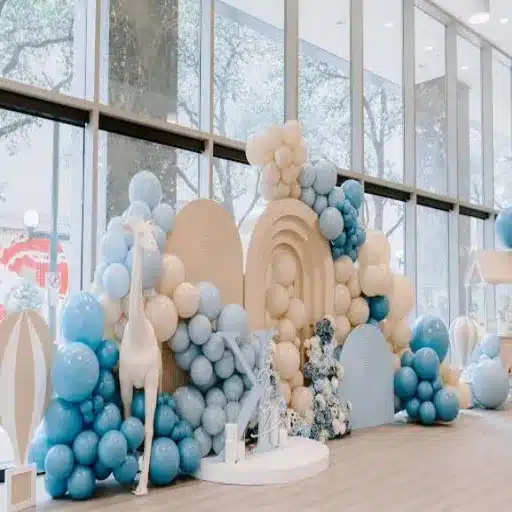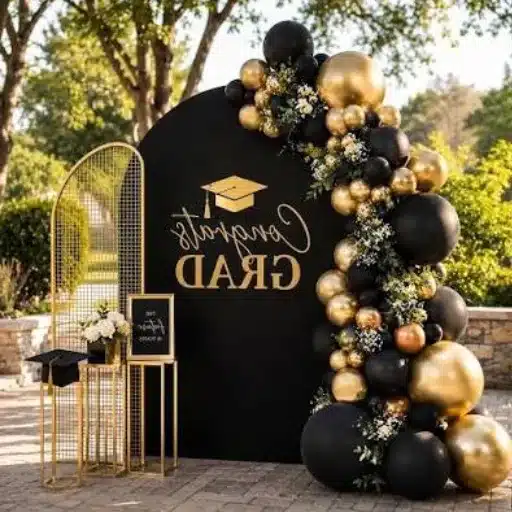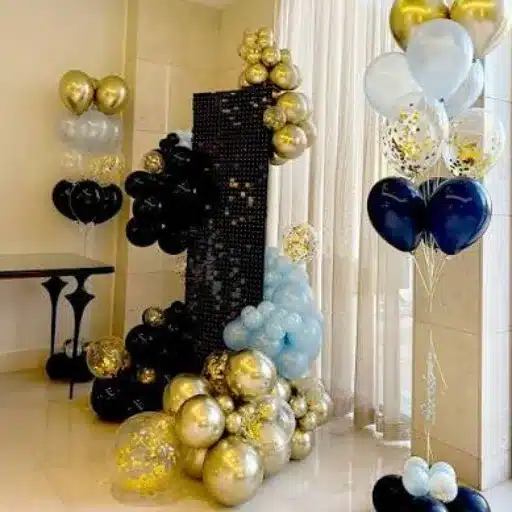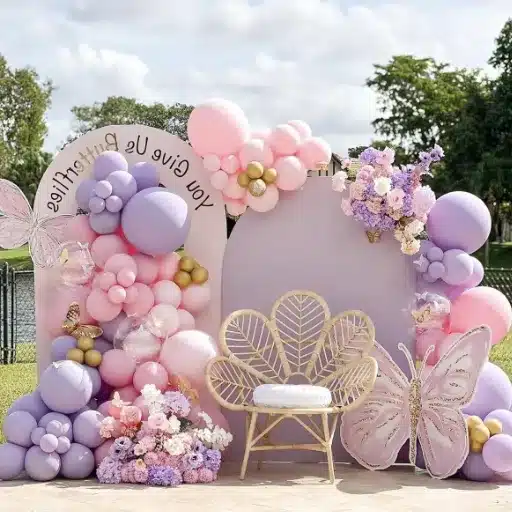
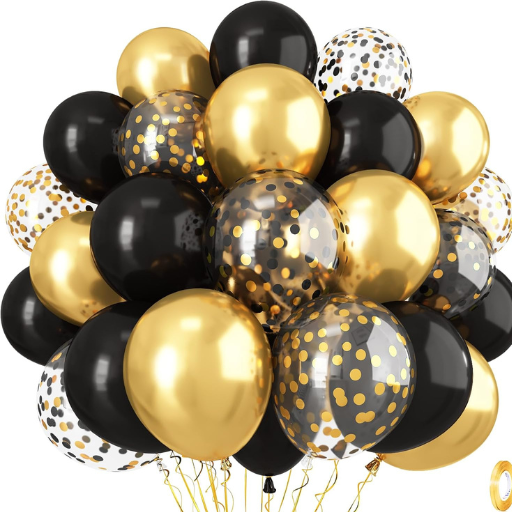
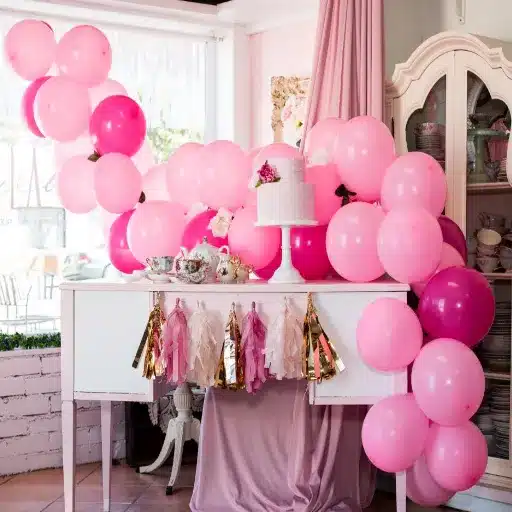
The easiest way to make a balloon garland is with a balloon decorating strip, an electric pump, and a mix of 5-inch and 11-inch balloons. You don’t need helium, and a finished garland lasts one to two days indoors when made with high-quality latex balloons.
But here’s the truth: a garland only looks effortless when someone has taught you the small details that matter. Maya, a first-time host in Austin, learned this the hard way. She bought a bag of balloons, blew them up by mouth, and threaded them onto a strip one by one. By the time her baby shower started, the garland looked thin, uneven, and several balloons had already popped. The photos were fine, but the display didn’t match the Pinterest board she had pinned for months.
A balloon garland tutorial should do more than list steps. It should show you how to choose supplies, avoid the mistakes that ruin the final look, and adapt the design to your space. In this guide, you’ll learn two proven construction methods, get a balloon quantity cheat sheet, and discover how to hang your garland on walls, ceilings, and staircases. Whether you’re decorating a birthday party, a baby shower, or a corporate event, you’ll finish this article ready to build a garland that looks professional from every angle. Planning your next celebration with DIY balloon decorations? Contact Trading Shanxi Co., Ltd. for quality products and creative decoration solutions.
Key Takeaways
- A balloon garland is made by connecting inflated balloons along a strip or line, creating a flowing decoration that works without helium.
- The decorating strip method is fastest for beginners; the fishing-line method gives a fuller, more organic look.
- Use roughly 18 balloons per foot for a standard garland and 25 per foot for an extra-full organic style, mixing 5-inch, 11-inch, and 16-inch sizes.
- Build your garland no more than 24 to 48 hours before the event, and store it in a cool room away from sunlight.
- High-quality biodegradable latex balloons hold their shape longer and create a more polished final result.
What Is a Balloon Garland?
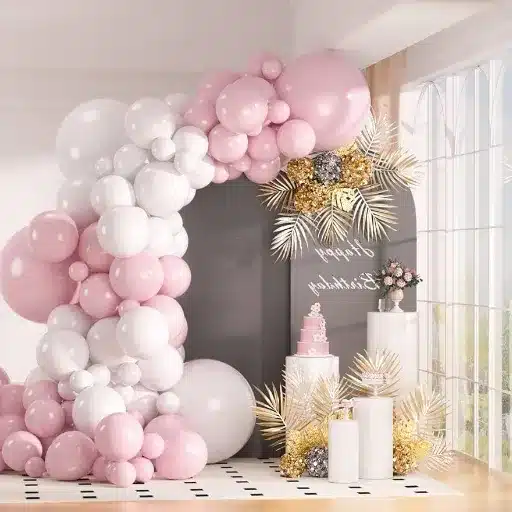
A balloon garland is a connected strand of balloons arranged along a flexible strip or line. Unlike a balloon arch, which usually forms a symmetrical curved frame, a garland can drape, curve, climb, or cascade across almost any surface. It works for entryways, dessert tables, backdrops, staircases, and ceiling features.
The main difference between a garland and an arch comes down to structure. An arch needs a frame, stand, or anchored line to hold a specific shape. A garland is more forgiving. You build it in sections, hang it with Command hooks or fishing line, and adjust the curves until the shape feels right. If you want to explore arch builds, our guide on how to make a balloon arch without a stand covers a similar technique.
Garlands are especially popular because they don’t need helium. Air-filled balloons last longer, cost less, and are easier to transport. That’s why the global party balloons market reached roughly $2.0 billion in 2025, with much of the growth driven by air-filled designs like garlands and organic installations, according to Cognitive Market Research.
Balloon Garland Supplies: What You Actually Need
Before you inflate a single balloon, gather your supplies. The right tools make the process faster, and the right balloons make the finished garland last.
Must-Have Supplies
- Balloons in mixed sizes. A standard garland uses 5-inch, 11-inch, and 16-inch or 18-inch balloons. The variety creates depth.
- Electric balloon pump. A hand pump works, but an electric pump saves time and keeps your hands free for tying.
- Balloon decorating strip or fishing line. The strip is the easiest option for beginners. Fishing line gives a more polished, organic result.
- Glue dots or a low-temp glue gun. These fill gaps and attach smaller balloons after the main structure is built.
- Command hooks or removable wall hooks. Use clear hooks that won’t damage paint.
- Scissors and ribbon. Ribbon helps anchor the garland and adds decorative tails.
Nice-to-Have Extras
- Balloon sizer. This keeps balloon sizes consistent, especially helpful for beginners.
- Greenery, faux flowers, or pampas grass. These add texture for weddings and boho themes.
- Foil balloons. Number balloons, stars, or custom shapes make strong focal points.
- A balloon tying tool. If you plan to make garlands regularly, this protects your fingers.
James, a dad in Denver, skipped the electric pump for his daughter’s fifth birthday. After inflating forty balloons by hand, his garland looked fine at first, but he ran out of energy before adding the smaller filler balloons. The display looked unfinished in photos. An electric pump costs less than most party supply bundles and turns a two-hour project into a forty-five-minute one.
If you want everything in one box, a balloon garland kit can be a smart starting point. Kits usually include balloons, a strip, glue dots, and sometimes a pump. Just check the balloon count before you buy, because some kits are thinner than they appear in marketing photos.
[Download our printable balloon garland supply checklist →]
How Many Balloons Do You Need?
Nothing is worse than running out of balloons halfway through a garland. The table below gives you a reliable starting point based on finished length and fullness.
| Garland Length | Standard Look | Extra-Full / Organic Look |
|---|---|---|
| 4 ft (1.2 m) | 24–32 balloons | 36–44 balloons |
| 6 ft (1.8 m) | 36–48 balloons | 54–66 balloons |
| 8 ft (2.4 m) | 48–64 balloons | 72–88 balloons |
| 10 ft (3.0 m) | 60–80 balloons | 90–110 balloons |
| 12 ft (3.7 m) | 72–96 balloons | 108–132 balloons |
Size Mix for a Professional Look
A balanced garland usually follows this ratio:
- 60% medium balloons (11-inch): These form the body of the garland.
- 30% small balloons (5-inch): These fill gaps and add texture.
- 10% large or feature balloons (16-inch, 18-inch, or foil shapes): These create focal points.
Buy 10% to 15% more balloons than the chart suggests. Pops happen, and extra balloons give you flexibility when filling gaps.
Method 1: How to Make a Balloon Garland with Decorating Strip
The decorating strip method is the easiest way to learn how to make a balloon garland. The strip has pre-cut holes that hold the balloon knots in place, so you don’t need to tie complex knots.
Step 1: Inflate Your Balloons
Use your electric pump to inflate balloons to different sizes. For an 11-inch balloon, stop when it reaches about 9 to 10 inches. Slightly under-inflated balloons are rounder and less likely to pop. Some balloons should be smaller, some larger. This variation is what gives the garland an organic look.
Step 2: Create Pairs
Tie two balloons together by their necks to form a pair. Then twist two pairs together at the centers to create a quad. Working in quads speeds up the process and creates a fuller base.
Step 3: Attach to the Strip
Pull the knot of one balloon from the quad through a hole in the decorating strip. Move to the next hole and add the next quad. Alternate colors and sizes as you go. Leave one or two empty holes between quads if you want a looser garland, or fill every hole for a dense look.
Step 4: Shape as You Build
Every few quads, step back and look at the garland. Bend the strip gently to create curves. If one color starts clustering, adjust the next few quads to balance it.
Step 5: Fill Gaps with 5-Inch Balloons
After the main structure is built, attach 5-inch balloons to the empty spaces using glue dots or a low-temp glue gun. This is the step that transforms a basic garland into a professional one.
Step 6: Hang and Adjust
Use Command hooks to anchor the garland to the wall. Space hooks about 12 to 18 inches apart. Once hung, twist balloons and add final fillers until the shape looks balanced.
Method 2: How to Make a Balloon Garland Without a Strip
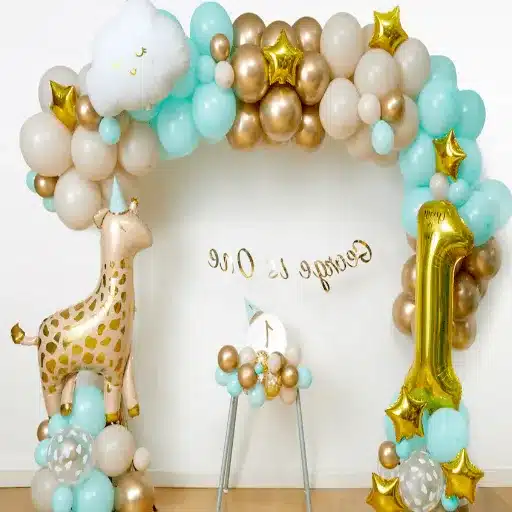
The fishing-line method, sometimes called the organic method, creates a garland with no visible strip. It takes a little more practice, but the result looks like something from a professional event decorator’s portfolio.
Step 1: Build Quads
Just like the strip method, inflate balloons to varied sizes and tie them into quads. The difference is that you won’t use a plastic strip to hold them together.
Step 2: Thread the Fishing Line
Cut a length of fishing line longer than your finished garland. Loop the line around the center of the first quad and tie a tight knot. Add the next quad, pushing it snugly against the first. Continue this process, twisting each quad slightly so the balloons interlock.
Step 3: Keep It Tight
The key to this method is tension. Each new quad should be pushed firmly against the previous one. Loose spacing creates gaps and a saggy garland.
Step 4: Add Fillers
Use glue dots to attach 5-inch balloons throughout the garland. Because there is no strip, fillers do most of the work hiding the line and creating fullness.
Step 5: Hang with Invisible Support
Fishing line is strong and nearly invisible, which makes it perfect for ceiling installations or displays where you don’t want hooks to show. For wall displays, use Command hooks behind the garland and loop ribbon or additional fishing line around the structure to hold it in place.
When to use which method:
- Choose the decorating strip for your first garland, large events where speed matters, or when you want a kit-based approach.
- Choose the fishing line for organic shapes, ceiling features, or photo backdrops where a clean look matters most.
How to Hang and Install Your Balloon Garland
A beautiful garland means nothing if it droops or falls halfway through the party. Installation is just as important as construction.
Walls
Use Command hooks rated for at least one pound each. Space them 12 to 18 inches apart along the intended path. Start anchoring from the middle of the garland, then work outward. This prevents uneven pulling.
Ceilings
Ceiling installs need stronger anchors. Use ceiling hooks or adhesive hooks rated for overhead use. Loop fishing line around the garland and attach it to the hooks at several points. Always test the hold before leaving the display unattended.
Staircases
Staircase garlands follow the railing or wall beside the steps. Use zip ties or ribbon to attach the garland to the railing at key points. Add a few balloons underneath the railing so the garland looks full from below.
Backdrop Stands
If you’re building a photo backdrop, attach the garland to a PVC frame or a rented stand. Start at the top center and work down both sides. For more frame ideas, our tutorial on how to make a balloon arch without a stand covers simple structures you can adapt.
For a deeper look at hooks, surfaces, and weight limits, read our dedicated guide on Command hooks for balloon garlands.
Balloon Garland Design Ideas and Color Theory
Color is what turns a garland from a balloon structure into event decor. A strong palette makes the display feel intentional and cohesive.
The 60-30-10 Rule
This classic design rule works beautifully for garlands:
- 60% dominant color: The main color that sets the mood.
- 30% secondary color: A complementary shade that adds contrast.
- 10% accent color: A metallic, confetti, or specialty balloon that catches the eye.
For a baby shower, that might mean 60% soft pink, 30% cream, and 10% rose gold. For a graduation party, it could be 60% navy, 30% silver, and 10% black.
Theme Ideas
- Birthday party: Bright primary colors with a large number foil balloon.
- Baby shower: Pastels with faux greenery and white accents.
- Wedding: White, blush, and champagne with pampas grass and dried florals.
- Corporate event: Brand colors with custom logo balloons.
- Outdoor summer party: Tropical colors with palm leaves and oversized feature balloons.
Adding Texture
Greenery, flowers, and ribbons add movement and depth. Attach them with glue dots or tuck them between balloons after the garland is hung. Just make sure any fresh flowers are added on the day of the event so they stay vibrant.
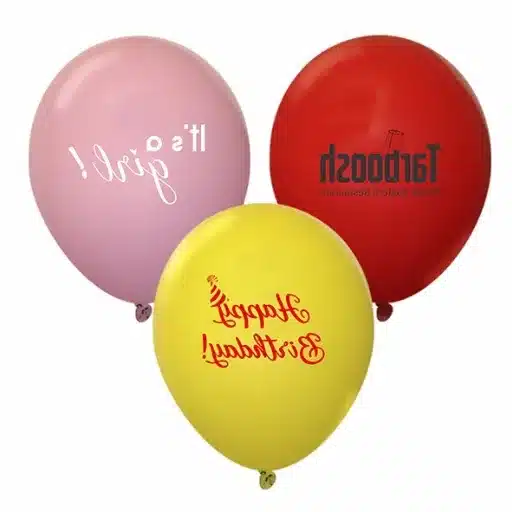
If you’re planning an event with custom colors or branding, our custom balloon solutions team can match your palette and print logos directly onto balloons.
Common Balloon Garland Mistakes (And How to Avoid Them)
Even experienced decorators make mistakes. Here are the most common ones and how to fix them before they become problems.
Over-Inflating Balloons
Balloons inflated to their maximum size become pear-shaped and fragile. Stop at 90% capacity and let a small amount of air out before tying. The balloon will be rounder and easier to work with.
Using Only One Size
A garland made entirely of 11-inch balloons looks flat. Mix sizes to create dimension. The 5-inch balloons are especially important for filling gaps.
Skipping the Fillers
The base structure gets you 70% of the way there. The final 30% comes from fillers. Don’t skip this step.
Hanging Too Early
Heat, humidity, and sunlight shrink balloons quickly. Install outdoor garlands no more than one to two hours before guests arrive. Indoor garlands can be built the night before if stored properly.
Forgetting the Ends
Both ends of the garland need secure anchors. A drooping end is one of the fastest ways to make a display look unfinished.
How Long Does a Balloon Garland Last?
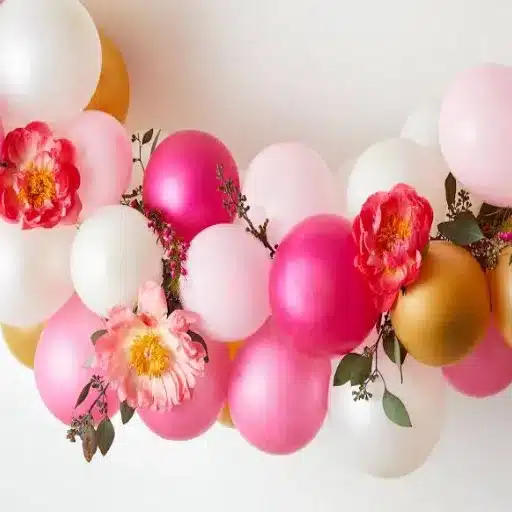
An air-filled balloon garland lasts one to two days indoors, sometimes longer if the room is cool and out of direct sunlight. Latex balloons slowly oxidize over time, which means they develop a matte, cloudy look after 24 to 48 hours. High-quality balloons resist oxidation better than budget options.
For outdoor events, expect a shorter lifespan. Sunlight, wind, and heat can cause balloons to shrink, pop, or fade within a few hours. If you must display a garland outside, keep it in the shade and install it as close to the event start time as possible.
Build your garland no more than 24 to 48 hours before the event. Store it in a large garbage bag or loosely drape it in a cool room. Avoid garages, attics, or cars, where temperature swings can damage the balloons.
DIY, Kit, or Pro? How to Choose
Not every event needs a hand-built garland. The right choice depends on your time, budget, and the complexity of the design.
DIY from Scratch
Best for crafters who want full control over colors and sizes. You need balloons, a pump, a strip or line, and about one to two hours. This option is usually the most affordable.
Balloon Garland Kit
Best for beginners who want convenience. Kits include matched colors and basic supplies. Read reviews carefully, because some kits don’t include enough balloons for a full look.
Professional Decorator
Best for large events, corporate branding, or designs with florals and custom structures. A professional handles installation, teardown, and stress. If your event is high-stakes or time-sensitive, hiring help is worth the cost.
At Trading Shanxi Co., Ltd., we supply high-quality balloons and custom designs to decorators and DIY hosts around the world. If you need bulk orders, custom colors, or printed balloons, contact our team for a quote.
Frequently Asked Questions
What is a balloon garland?
A balloon garland is a connected strand of balloons arranged along a strip, fishing line, or frame. It can drape across walls, doorways, ceilings, or backdrops and does not require helium.
What supplies do I need to make a balloon garland?
You need balloons in mixed sizes, an electric pump, a balloon decorating strip or fishing line, glue dots or a low-temp glue gun, and Command hooks or removable wall hooks for hanging.
How many balloons do you need for a garland?
Plan for 18 to 20 balloons per foot for a standard garland, or 25 per foot for an extra-full organic look. A 10-foot garland typically needs 60 to 110 balloons depending on fullness.
Can you make a balloon garland without helium?
Yes. Air-filled garlands are the standard. They last longer, cost less, and are easier to transport than helium designs.
Can I make a balloon garland the night before?
Yes, if the garland will be kept indoors in a cool room away from sunlight. Build it no more than 24 to 48 hours before the event for the best appearance.
How do I hang a balloon garland on a wall?
Use Command hooks spaced 12 to 18 inches apart. Anchor the garland from the center outward, and adjust the shape after it is hung.
How long does a balloon garland last?
Indoors, a balloon garland lasts one to two days. Outdoors, it may only last a few hours depending on weather conditions.
What is the difference between a balloon garland and a balloon arch?
A garland is a flexible strand of connected balloons that can drape or curve freely. An arch follows a structured frame to create a symmetrical curved shape.
Are balloon garlands eco-friendly?
They can be. Choose biodegradable latex balloons and avoid balloon releases. At the end of the event, dispose of balloons responsibly. Learn more in our guide to eco-friendly balloons.
What is the easiest way to make a balloon garland?
The easiest way is to use a balloon-decorating strip, an electric pump, and balloons of mixed sizes. This method requires no tying to fishing line and is forgiving for beginners.
Conclusion
Learning how to make a balloon garland opens up a world of creative event decor. With the right supplies, a clear method, and a few design principles, you can build a display that looks like it came from a professional studio. Start with the decorating strip method for your first project, then experiment with fishing line once you want a more organic shape.
Remember the fundamentals: mix balloon sizes, fill every gap, hang securely, and build close to the event date. And when you want balloons that hold their color, shape, and shine longer, choose high-quality materials from a supplier you trust.
Ready to start your next garland? Download our free supply checklist and balloon quantity cheat sheet → or contact Trading Shanxi Co., Ltd. for custom colors, bulk orders, and printed balloons that make your celebration unforgettable.