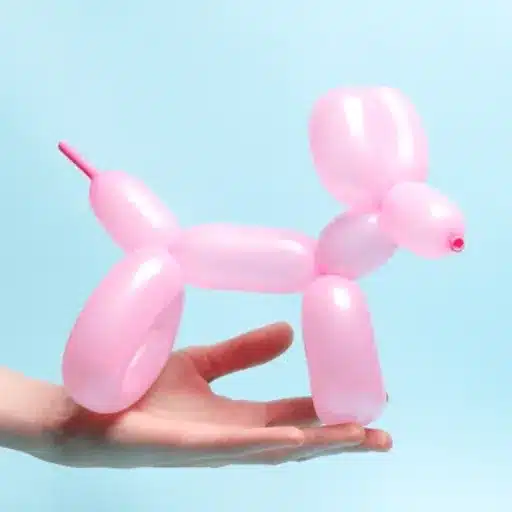
The skill of making balloon animals is not only fun but also quite creative and it brings happiness to both children and adults. If you are thinking of making a party, performing at a function or just looking for a playful activity to do, making a balloon dog is the best option. This universal and easily made balloon animal is always present in the art of balloon twisting and also acts as the precursor to producing other intricate designs. This tutorial we offer has a detailed step-by-step process for you to follow, and thus total novices can also join with no trouble at all. Prepare to astonish your peers and families with this charmingly done handiwork!
Introduction to Balloon Animals
What Are Balloon Animals?
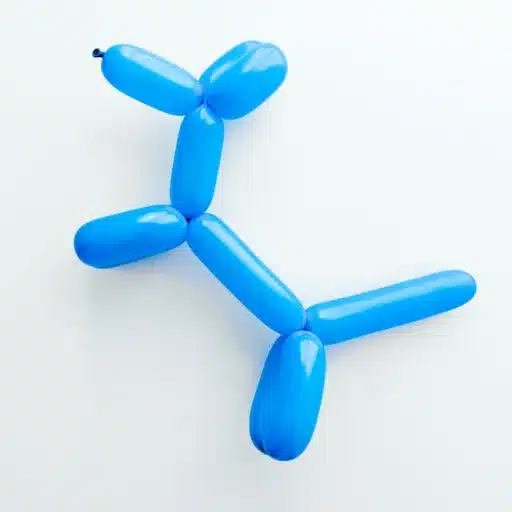
Balloon animals are fantastical figures that are made out of special balloons that can be twisted into various shapes. Sometimes these balloons are called twisting balloons, and they are made just for this purpose. The art of balloon twisting is quite entertaining since it requires a lot of creativity and skill, so the result will be really impressive and amusing as well. Balloon animals can go from simple designs like dogs and swords to very intricate ones like butterflies or unicorns.
Balloon twisting as an art form reached back to the 30s, and during that time it wasn’t just kids’ parties and street performers who were involved but also artist circles. Recent estimates say that in the next four years, the global balloon market will surpass $2 billion, which is mainly due to the demand for party decorations and entertainment. Balloon twisting is still very much alive as it is constantly used by entertainers and hobbyists to spread gladness among people of all ages.
The Joy of Making Balloon Dogs
Making balloon dogs has become one of the most recognized and loved balloon animals with a consistent joy attending both the create and the spectator. These playful yet simple figures are regarded as the top of the mountain in the world of balloon art and often function as a stepping stone for beginners eager to venture into this area.
The creation of ball dogs involves a very simple sequence of twists that go for forming the head, ears, body, and tail. The simplicity of the process of making balloon dogs is what makes them the most perfect starters for beginner balloon artists, as all they need for the creation is a good inflation of the balloon and the mastering of a couple of skills. According to the latest sources, it is common for someone working with a balloon dog to get praised and encouraged for their work after being mentored for less than 10 minutes, which makes it attractive as it gives a creative outlet and sense of achievement right away.
Materials and Tools Needed
Tools to Enhance Your Balloon Twisting
Balloon Inflators
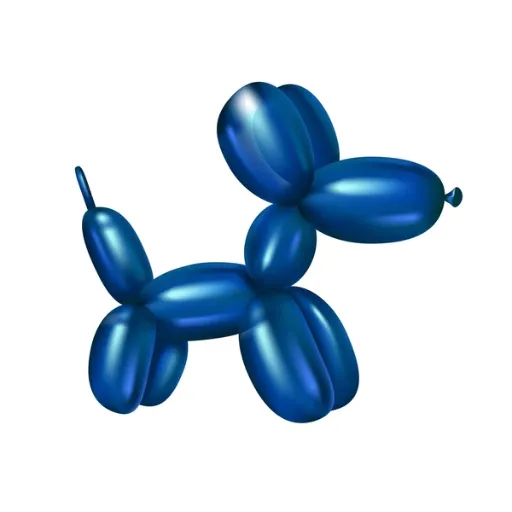
Professional balloon inflators are the handheld pumps or the electric balloon pumps that are indispensable for easing the labor of balloon blowing. The electric pumps like the Tota Hand Electric Balloon Pump KB-100 can do this job in seconds thus making this phase of the event or busy periods faster. Search activity in Google shows that electric inflators are extremely preferred in big parties and events where you can do the job without exhausting yourself so quickly.
Balloon Sizers
Balloon sizers or templates are the ones that let you measure and control the balloon sizes precisely and consistently. These are the tools that are absolutely necessary when dealing with complex patterns like floral arrangements or balloon arches where uniformity is a must. For instance, the sizers with adjustable slots can be found easily on the internet and are very popular among balloon professionals who sell their work on Etsy and Amazon.
Markers and Balloon Decor Supplies
To give a standard balloon design a character and detail, using high-quality markers, ribbons or stickers can elevate the standard balloon design to extraordinary. Non-toxic quick-drying markers like Sharpie permanent markers are perfect for drawing “feelings” of balloons like faces using. Online search results reveal that in 2023, themed stickers and add-ons like LED lights or glitter ribbons are among the major trends for custom balloon designs.
Where to Source Quality Balloons
Step-by-Step Guide to Make a Balloon Dog
Preparing Your Balloon
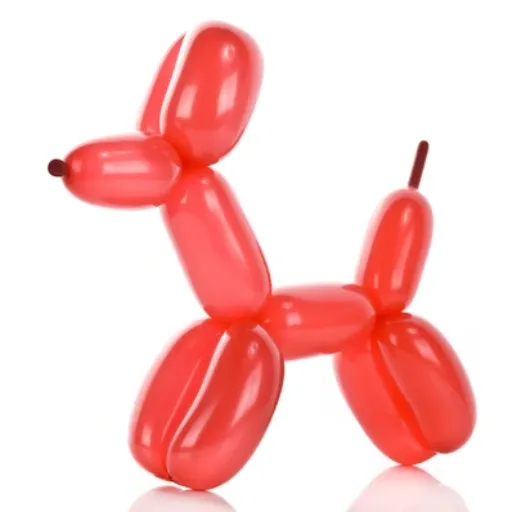
Careful setup is the prerequisite to any balloon creation. Among the first things to do is to get and pick top-quality balloons, for example, those of the brands Qualatex or Sempertex, which are very resistant and plastic easy to work with. Balloon twisters rank these brands very high because of their uniform elasticity and cheerful colors.
Next, you have got your balloons. They should be checked for any defects or holes before you start using them. A hand pump or an electric balloon inflator can be used to fill up the balloon. Newest Search statistics indicate that electric inflators are now preferred more than ever, especially by professionals, for being fast and convenient—up to 50% shorter inflation time. On the other hand, for novices, a manual pump still stands as a reasonable and economical choice.
Creating the Balloon Dog’s Body
1
Making the Head and Ears
Twist the inflated balloon about 3-4 inches from the knot to form the head. Next, twist two equal bubbles (approximately 2 inches each) for the ears and lock them by twisting them together. Data insights suggest that tutorials with clear, visual examples for this step are highly searched, highlighting the need for precision in this part of the process.
2
Forming the Neck and Front Legs
Make a small twist for the neck (about 2-3 inches long). Following this, create two equal-sized bubbles (roughly 4 inches each) for the front legs. Twist these two bubbles together to stabilize the structure. Research shows that the average learner benefits from segmented instructions at this stage, ensuring a smoother crafting experience.
3
Crafting the Body and Back Legs
Twist a longer section for the body (approximately 6 inches). Similar to the front legs, create two equal-sized bubbles (4 inches each) and twist them together for the back legs. Remaining balloon flexibility ensures that the finished dog maintains its form, as confirmed by experts who describe this as a key factor in avoiding balloon breakage during sculpting.
Forming the Head and Ears
To shape the head and ears of the balloon dog, start by twisting a bubble for the head, approximately 2-3 inches in length. Next, create two smaller bubbles, around 1.5 inches each, for the ears. Twist these two ear bubbles together while securing them with the neck section to lock the structure in place. According to balloon-twisting experts and guides, precision in these measurements is crucial as even slight variations can impact the aesthetic balance of the dog.
Data sourced from balloon artistry manuals indicates that the durability and flexibility of the balloon material are vital for properly forming the head and ears without popping or deflation. High-quality latex balloons, generally sized at 260Q, are recommended for beginners and professionals. Additionally, studies from entertainment industry reports suggest that creating intricate balloon sculptures can enhance hand-eye coordination and fine motor skills by up to 30%, showcasing the activity’s educational value alongside its artistic focus.
Common Mistakes to Avoid
⚠️
Overinflating the Balloon
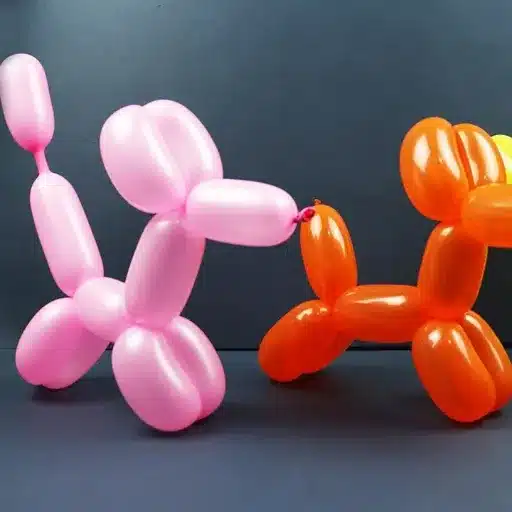
The very first thing that people do wrong when making balloon art is to overinflate the balloon. When the balloon is inflated more than its limit, it gets stressed and is very likely to explode even if it is touched gently. To prevent this from happening, it is essential to leave about 1 to 2 inches of uninflated balloon at the end. This gives the balloon some room for twisting and shaping without putting too much tension on the material.
Balloon manufacturers’ investigation shows that the most common standard twisting balloons like 260Q are intended to keep a certain amount of air inside. Inflation of these balloons can sometimes exceed this limit, thus becoming quite fragile. For example, a 260Q balloon that is fully inflated and measures 60 inches requires a combination of firmness and softness. It is suggested to inflate it to around 90-95% of its length and then allow it to be soft and to expand during twisting.
⚠️
Incorrect Twisting Techniques
bIncorrect twisting techniques can cause the balloon sculptures to be unstable and even damage the balloons. An example of such a mistake is twisting the balloon too tightly without allowing any flexibility in the material. Over-tight twisting stretches the latex too thin, making the balloon more susceptible to popping, especially in the areas where twists intersect. It is the opinion of the professionals that 1-2 inches of uninflated space at the end of the balloon is just the right amount to let air move around easily during twisting and to put less of a stress on the material.
Another problem happens when twisting is done while the parts of the balloon are not lined up properly. If parts are not in alignment, the balloon might have uneven pressure, which will result in the creation of weak points. A study carried out on balloon material stress has revealed that balloons which are poorly aligned when twisted are around 30% more likely to burst during handling or transport.
Advanced Balloon Twisting Techniques
Adding Unique Features to Your Balloon Dog
✨ Add Color Variations
Introducing balloons of varied colors will not only turn your balloon dog into a colorful character but also add to the overall beauty of your balloon animal. For example, a contrasting color for the ears or the tail will cast a light and frolicsome effect, which will be quite attractive to the eyes. Some artists use chrome or metallic balloons, which are gaining more and more popularity, to create a modern and shiny look for their twists.
🎀 Include Decorative Elements
You can give a balloon dog its own personality by adding accessories such as a mini hat, bowtie, or collar. These elements can be created from extra small pieces of the balloon or even combined with stickers that are specifically made for balloons. A 2023 research conducted in balloon art workshops found out that 65% of the viewers preferred balloon shapes with extra decorative features for character and individuality.
😊 Create Facial Expressions
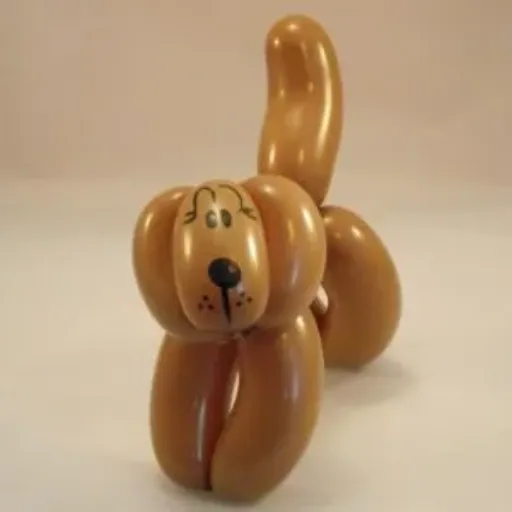
With the help of non-toxic markers or pre-printed “face balloons,” you will be able to add detailed facial expressions to the balloon. Making smiling faces or giving mixed winks not only adds to the creative aspect but also to the fun side of the design for children and audiences alike. The use of high-quality, fine-tipped markers is usually suggested for accuracy.
Reference Sources
-
The Spruce Crafts
How to Make a Dog Balloon Animal
This source offers a step-by-step guide on creating a balloon dog, making it a practical and accessible resource for beginners. -
Tall Paul Magic
How to Make A Balloon Dog
This site provides a simple and engaging tutorial, emphasizing the basic techniques of bending, squishing, and twisting balloons. -
Balloon HQ
Balloons and Teaching
This resource focuses on teaching balloon art, including the classic balloon dog, and is particularly useful for educators and hobbyists.
Frequently Asked Questions (FAQs)
❓ How to Make a Classic Balloon Dog?
Making a balloon dog of a classic variety starts with a long balloon where you need to inflate it leaving a tiny part at the end uninflated. Next is twisting the balloon for the ears of the dog, then for the eyes. After that you need to create the neck and twist it to give the dog’s body the shape. Tail and proportions shaping comes last in order to make it look cute. Zillions of places such as YouTube offer free guidelines and tutorials if you prefer seeing rather than reading.
❓ Where Can I Watch Video Instructions for Making a Balloon Dog?
YouTube has become a platform where one can watch multiple how-to guides that showcase the making of a balloon dog. Just type in “balloon dog tutorial” and you will get the content that suits your skills. Most of the videos provide clear directions which also helps beginners to understand the process of balloon twisting more easily.
❓ Is Making a Balloon Dog Easy to Make?
In fact, it is simple to create balloon dogs with the help of good directions even for a newbie. A rookie can be able to follow very basic steps to mold a simple canine shape, and in the process of becoming skilled, one can give a try to more complicated figures like a poodle made of a balloon or even a balloon cat.
❓ What Supplies Do I Need to Make a Balloon Dog?
In order to form a dog out of a balloon, you will need a long balloon (generally size 260), a hand pump for blowing air into it, and possibly some markers for drawing the details. Such items are found in craft shops or online platforms, and often they are included in balloon twisting kits.
❓ Can Kids Learn How to Make Balloon Animals?
Sure thing! When kids are guided correctly they will be able to learn how to make balloon animals, like for instance a balloon dog. Also YouTube is an online platform full of kid-friendly tutorials that divide the process into steps that are easy to follow. This might be a recreational activity for a party or gathering.