Mylar balloons are the go-to option for festivities held for their bright hues and durable designs But what’s the fate of these balloons once the celebration is done? Rather than tossing these balloons, learning how to properly deflate and reuse them could result in saving money, cutting down the waste generated, and even adding a touch of creativity to the future events. Whether you are an environmentally friendly coordinator of parties or a decoration lover who wants to get the most out of it, this article is just for you!
Understanding Mylar Balloons
What Are Mylar Balloons?
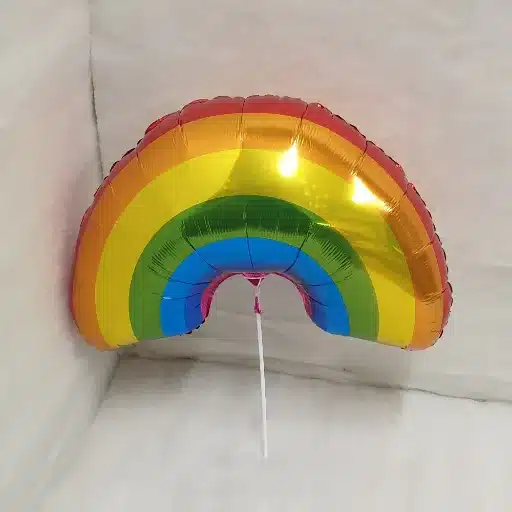
Mylar balloons or foil balloons are the high-end party decorations composed of a nylon and aluminum alloy. If you compare it with the latex balloons, Mylar balloons are considered non-porous which gives them an advantage of holding the helium or air for a longer period of time. The long-lasting and shiny surface, together with amazing colors, are the reasons they are widely used in different kinds of parties such as weddings and birthdays.
In the 1970s, Mylar balloons received the first patent and became very popular thereafter. The balloon market today is a good indicator of the popularity, as it is still growing with the introduction of biodegradable materials to mitigate the environmental impact. Mylar balloons are also the main reason among others that helium can be kept for a week or even two, e.g. in the case of the latex balloons that are usually deflated in just a few days.
Unique Properties of Mylar
Mylar is a type of stretched polyethylene terephthalate (PET) film that has been recognized for its unique properties and applications across various industries. Among them, the most significant strength and durability stand out. It is difficult to break Mylar and it wears off slowly losing little or no strength at all. Being highly moisture and chemical resistant and able to cope with extreme temperatures, Mylar is widely used in packaging and insulating applications. Research results indicate that Mylar has excellent thermal stability considering it withstands temperature variances from-100°F to 300°F (-73°C to 149°C) without compromising quality.
Mylar, besides possessing the above-mentioned properties has a reflective surface that adds to its versatility. It reflects light and heat up to 95%, which is one of the reasons its use has spread in insulation, emergency blankets, and horticulture where it serves to make the light used for plant growth more efficient. Its combination of lightness and such toughness has made it the idea for transport and the selling price remains reasonable. Moreover, in conjunction with the recent successes in developing recyclable and reusable Mylar, previous advancements in its sustainability have been confirmed by the reduced environmental footprint. It’s hard to imagine an industry that won’t benefit from Mylar’s properties since they are scientifically, industrially, and even in daily applications, indispensable.
Reasons for Deflating Mylar Balloons
Storage Needs for Mylar Balloons
The right kind of storage is very important for the quality and usability of Mylar balloons to last longer. Mylar balloons should be kept in a cool, dry place that is not close at all to the sun or extreme temperatures in order to maintain their resistance and luster. Heat can cause the material to break down or the colors to lose their vibrancy eventually. The storage temperature for Mylar balloons suggested by the latest data is between 50°F and 77°F (10°C and 25°C) to stop the material from getting warped or damaged in the first place.
Moreover, it is imperative that one prevents the balloons from storing them in their original inflated state to make the most out of the space and to avoid the occurrence of unforeseen rips and tears. Deflated Mylar balloons can be folded and put in containers that are airtight to keep them from dust or moisture and thus the degradation of their reflective properties. Studies show that proper storage can make Mylar balloons last for up to 1-2 years longer, but it depends on the environmental conditions. This not only makes them reusable but also very cost-effective for those who are planning multiple events or are looking for the long-term usage of the balloons. **
Disposal Scenarios for Mylar Balloons
Concerning the issue of disposal, taking one’s Mylar balloons to the dump or landfill is still the main disposal option, but through recycling flowers or any other such steps next to it is the least damaging to nature. Still, improper disposal can cause pollution and make safe zones for wildlife that rely on humans’ presence in the area to get food and when one area becomes polluted, the wildlife has even less space. Although Mylar balloons and latex have different fates in nature, both are non-biodegradable; however, the latter one will eventually decompose due to its organic composition whereas the former one will stay as it is for ages if they are thrown inappropriately. The fates of non-biodegradable balloons are not similar but they have one thing in common; they could cause animal death either directly by the animal consuming them mistaking them for food or indirectly through the animal being trapped in the remain of the balloon.
As a proposal to curb this situation, recycling is suggested as an option whenever possible. Some recycling plants are ready to accept Mylar balloons as part of the process allowing turning them into insulation or packaging materials these are just example new products that are created from old products. In fact, the problem of limited access to such facilities is a major issue with recycling. Take, for example, a 2022 report on waste management practices which states that only about 10% of the synthetic materials from consumer products like Mylar are recycled each year in the USA.
Step-by-Step Guide to Deflating Mylar Balloons
Detailed Instructions for Sustainable Balloon Usage
Choose Environmentally Friendly Balloons
When decorating for your events, prefer biodegradable latex balloons. These balloons have a nature-friendly design that allows them to be completely decomposed in the environment within a period of 6 months to 4 years unlike regular balloons that take a very long time to break down and eventually become a non-biodegradable entity like Mylar that can last forever. According to environmentalists, choosing biodegradable alternatives can decrease the negative impact of balloon waste on nature in the long run by a great deal.
Limit Balloon Releases
Do not release balloons into the nature. As per the research done by the Ocean Conservancy, balloons are one of the top 10 items to be contributing to marine debris. Once released, balloons can travel even up to hundreds of miles and, thus, become a serious danger to animals like birds, turtles, and fish who might eat or get caught in the material.
Reuse and Repurpose
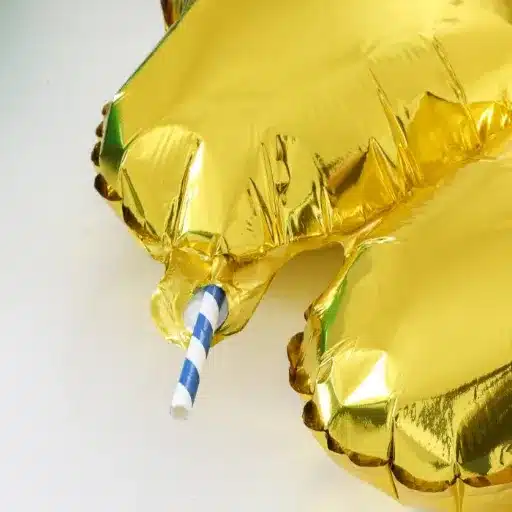
After the party, deflate Mylar balloons very carefully with the help of a straw or nozzle and then store in a clean, flat container. The balloons can be recycled for upcoming events or cut into creative materials for DIY crafts. According to the sustainable practices experts, reusing decorations such as balloons can cut costs by 15%-30% per event and at the same time, reduce individual contributions to balloon-related waste.
Dispose of Balloons Responsibly
To minimize the risk of unintentional release, ensure balloons are disposed of properly by piercing them. Put deflated balloons as well as any string or ribbon in a trash bin that is secured so that animals cannot get to them. Environmental organizations indicate that proper disposal decreases the chance of balloon debris entering ecosystems by as much as 80%.
Safety Precautions for Balloon Use
Avoid Overinflation
Overinflated balloons are more likely to pop and thus create a dangerous situation due to the falling pieces; studies show that the chance of balloon bursts due to wrong inflation pressure is increased by 40%. Rather than a hand pump, how about using a balloon filler with a pressure gauge so that the inflating is done within the limits recommended?
Keep Balloons Away from Small Children
Rubber balloons are a choking hazard to toddlers especially when the pieces are swallowed. The latest statistics of child safety advocacy organizations report that approximately 40% of suffocation cases related to balloons involve kids less than six years of age. It is better to always monitor kids when they are playing with balloons.
Use Weighted Balloon Anchors Outdoors
While using balloons outside, tie them securely to weighted anchors so that they do not get released accidentally. Even a gust of wind or a jerk can unmoor balloons and hence the chances of polluting the environment get increased. The use of weighted anchors can lower the chances of balloon escape by as much as 90%.
Common Mistakes to Avoid
Pitfalls During Deflation
If balloons are not properly deflated and disposed of, they can cause a big fuss regarding safety and the environment. Such balloons, if released or somehow very badly deflated, end up in the cruellest manner in the eco-system of nature, thus creating hazards to animals. The animals we are talking about can ingest the pieces and then the digestive systems get blocked leading to death in the worst-case scenario. A 2023 environmental study tells us that balloons are one of the three most dangerous items of debris for marine life, with seabirds and turtles being the most affected by this.
Moreover, if balloons are not deflated and punctured properly, their pieces (latex or mylar) can be blown away by the wind to waterways or habitats that are sensitive to disturbance. One major error during the deflation stage is neglecting the proper disposal method, such as cutting the balloons into tiny bits and putting them into a bin bag that is seriously tied up. Experts claim that more than half of the balloon trash could be avoided if everybody practiced the right way of deflation and disposal.
Preventing Damage to Balloons
Balloons need to be treated and handled with care if their life cycle is to be prolonged and waste reduced. Not to over-inflate the balloons is one of the supporting methods of saving the balloon from damage, as the extremely high pressure can lead to the balloon bursting before its time. Professionals suggest inflating the balloons only to the maximum that is recommended for each balloon which might vary with the material and the type (latex or foil). For latex balloons, it is possible to get better durability by stretching the material slightly before the inflation.
In addition to that, the issue of protection of the balloons from direct sunlight and extreme hot and cold temperatures is of the utmost significance. UV exposure for long periods renders latex balloons weaker hence more likely to tears or even bursts. Research indicates that the degradation of natural latex balloons can start within a day of continual UV exposure. One of the preventive measures is to keep the balloons in shaded and cool places since this can dramatically minimize the risk and also the balloons can retain their shape and color for a longer time. On the contrary, foil balloons suffer less from sunlight, but gentle handling is a must to avoid puncturing.
Environmental Considerations
Eco-Friendly Disposal Options
One must throw away balloons in a way that does not harm the environment, which is very important. Under certain conditions, latex balloons can biodegrade, but depending on environmental factors such as temperature and sunlight exposure, it may take as long as six months to four years for them to break down completely. Also, these materials need to be perfectly disposed of so that they do not cause any problems for the animals living on land or in the water.
One eco-friendly option for disposing of balloons is to cut them into small pieces and throw them in the trash, as this will reduce the likelihood of animals eating them by accident. Besides, you can also think about Mylar balloons recycling where facilities are available as these are made up of plastic which is metallized and not biodegradable. Some geographical areas have unique recycling projects for Mylar materials where they often take them and make things from them, insulation blankets being one of them.
Recycling Foil Balloons
Foil balloons, also referred to as Mylar balloons, consist of polyethylene terephthalate (PET)—a kind of plastic—and commonly, a thin layer of aluminum coating. While latex balloons decompose over time, foil balloons are non-biodegradable thus, preventive measures like proper disposal and recycling take the forefront in reducing their environmental impact.
Cutting into paths for foil balloons to find their way out is by the recycling schemes set aside for them. Although curbside recycling programs would generally not consider foil balloons due to their material content, some specialized recycling plants can still absorb them. Moreover, some businesses have started recycling through mail service for these balloons, ensuring that they are well dealt with and, subsequently, restored.
Reference Sources
-
The Homes I Have Made
This website offers a step-by-step guide on deflating Mylar balloons, including inserting a straw into the valve, removing air, and folding the balloon for storage.
Source: thehomesihavemade.com -
Make My Day Event Planner Blog
This blog provides a simple guide for safely deflating Mylar balloons, emphasizing the use of a straw and a gentle touch, making it accessible for party planners and general users.
Source: makemydayeventplanner.com -
YouTube Video Tutorial
A practical video tutorial demonstrating how to deflate foil balloons using a straw, showcasing the process visually for better understanding.
Source: YouTube
Frequently Asked Questions (FAQs)
Can I Reuse Foil Balloons After Deflating?
The answer is yes, you can always keep foil balloons for reuse after air evacuation. Store the balloons when they are deflated in a location that is both dry and cool to ensure that their quality is preserved. If you want to have them refilled for another occasion, just put a straw into the valve and pump them with air again.
What is the Best Method to Deflate Foil Balloons?
To deflate foil balloons, the best method is to press gently the tab at the valve’s end which permits air escape very slowly. Using a straw can ease the process as it helps to pull out air at the same pace and avoids over-rapid balloon collapse.
Are There Any Videos on How to Deflate a Mylar Balloon?
Definitely, there are multiple instructional videos on YouTube that show the proper or effective way of deflating Mylar balloons. These videos will not only be helpful as visual support but also will give suggestions about how to avoid damaging the balloon during the deflation process.
How to Recycle Foil Balloons After Use?
In order to recycle foil balloons, first, check and confirm that they are fully deflated. After that, consult your local recycling regulations to find out if they accept foil materials. Processing foil balloons is possible in many recycling centers, hence it is an eco-friendly option that can be considered.