Filling aluminum foil balloons might appear as an easy job to do, but any little mistake can possibly spoil the fun or even harm the balloon itself. When you’re getting ready for a birthday party, wedding, or any other special event, employing the right methods helps to make it so that your balloons are always in the right form, retain their inflation for a long time, and bring out the desired visual impression. This article acts as a dominant reference source of inflation mistakes to be avoided and correct methods to be mastered. We will encompass everything you need to know, from picking the appropriate items to recognizing pressure spots and sealing tricks, for the trouble-free execution. At the end of the day, you will be in possession of all the hints that will make it possible for you to repeatedly yield the most beautiful, longest-lasting aluminum foil balloons.
Understanding Aluminum Foil Balloons
What are Aluminum Foil Balloons?
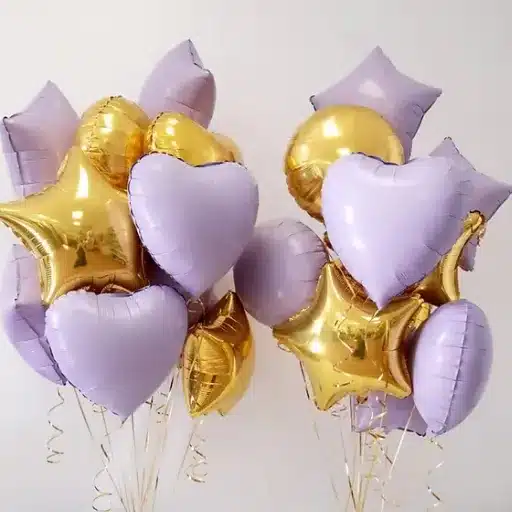
Put simply, aluminum foil balloons are another term for Mylar balloons. These balloons are made up of an artificial polyester film, which is then treated with aluminum to form a tough, light, and reflective material. They are less permeable and hence less likely to leak out air, so they are able to stay inflated for a longer time than traditional latex balloons. They can be printed on the surface with very fine drawings, patterns, or logos, which is why they are very widely used and either decorated or kept as a promotional item. The tensile strength of the material makes the possible customization of the balloons into any shape and size, be it the regular circle or some more difficult ones as figures or letters. The biggest reasons they’re a hit with many people are the strength of the structures they come in, the glittery look that comes from the metal, and last but not least, the power to make the overall appearance more attractive.
Benefits of Using Foil Balloons
There are many reasons that foil balloons are a top choice for different purposes. One of the main advantages is their great sustainability that guarantees they will keep their appearance and quality over the time, and latex balloons cannot beat that. This makes them a great choice especially for the events that go on for a long period or the displays that need to stick around for a good while. Furthermore, foil balloons are less permeable, and that decreases the helium or air loss drastically. Therefore, they can be the same as deflated or floating for days, even weeks, after inflation.
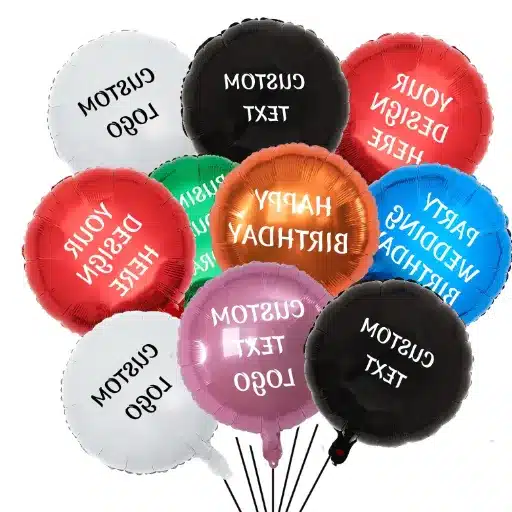
Another noteworthy advantage of foil balloons is their reflective and metallic nature that significantly boosts their visual appeal. This trait does more than just add a luxurious touch to the setting but also enables them to be perfect for printing highly detailed designs, logos, or messages in sharp focus. The fact that they can easily take on numerous shapes also heightens their practical value, ranging from promotional uses to the making of one-of-a-kind decorative elements. Lastly, foil balloons are tougher in the face of such environmental conditions as heat and UV radiation, which automatically enhances their indoor and outdoor use reliability quotient. Together, these features make foil balloons a better choice for the current decorative and branding demands.
Popular Ways to Use and Celebrate with Foil Balloons
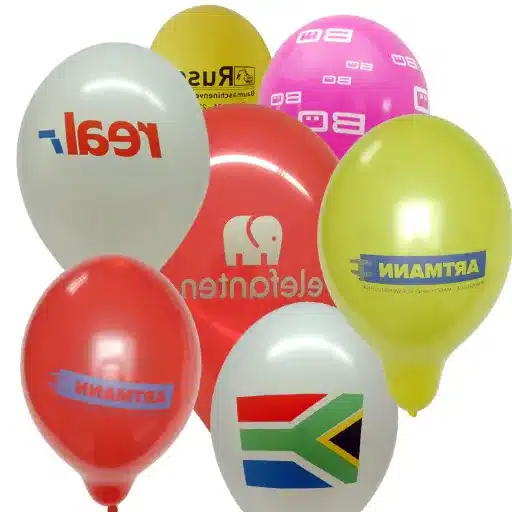
The enduring and visual appeal, also the myriad of options for personalization make foil balloons one of the most popular products. In majority of the cases, they are used in different celebrations ranging from birthdays, weddings, and anniversaries, to not only color but also to make the space look lively, with the use of vibrant colors, complicated designs, and messages that are suitable for the event. Moreover, it is not uncommon for the corporate world to use these balloons for the purpose of branding, having company logos, slogans, or themes printed on them, in order to make a remarkable and lasting impression on the participants.
The pendant checkout for gift shops is one of a kind store fixtures that come in various shapes, sizes, and styles, but the common trait between them all is that they are highly customizable. Among the various types of store fixtures, the single-body constructions have the longest life expectancy, as they are made of cast metal capable of withstanding heavy loads. In this group, the medium turquoise necklace display is the most popular one, partly because of its attractive design and partly because of its being easy to repurpose. When the topic is the most space-saving retail display designs, nothing can beat the wall-mounted gridwall just like the one shown in the picture. Two reasons make the dark green velour jewelry display stand one of the most common fixtures, the first one being its durability, and the second one, with different jewelry and fashion trends, the fixture can easily be reshaped. On the other hand, acrylic earring displays come with a lot of advantages that are mostly hidden at first sight, including their easy customization, being lightweight, and being very easy to clean.
Preparing to Inflate a Foil Balloon
Choosing the Right Size and Shape
Picking the right size and shape of a foil balloon is extremely important in order to fulfill its designed purpose efficiently. The balloon’s dimensions should specifically cater to the event or application requirements. For bigger areas or open-air events, huge foil balloons are great as they give a better view and a wider space for writing or designing. On the other hand, small balloons are better to be used in small indoor areas or as parts of the decoration in arrangements. The shape of the balloon is just as important; amzn_offer_cpp_if_cnotinff_productsrt; for example, round or heart-shaped balloons are often used for celebrating or expressing love feelings, while custom shapes, like logos or product replicas, are more suitable for the promotion and branding purposes. The business has made great strides so that very detailed customization is now possible, hence giving clients the option of not being limited to any one design yet the structure is still strong during inflation. Analyzing these factors drastically improves the design process as it ensures that the final product is the best in terms of technique and visual appearance.
Gathering Necessary Tools: Straws and Pumps
When balloons need inflation, it is very important to have the right tools in place. Straws must be there in order to inflate the smaller balloons in the easiest way and also with control and, thereby reducing the risk of overinflation. Also, straws are a very good option in case you have to do an intricate job. Nevertheless, manual and electric pumps are the most comfortable choices when it comes to larger-scale applications because they can save a lot of time and effort. Manual pumps have the advantages of being cheaper and more flexible but at the same time, they can be hard to operate in huge setups. Electric pumps on the other hand are perfect in terms of the same gentle and fast pressure, with the best results coming in the form of saving your time on production hence being able to inflate in volumes. The right tool for the right job and making the right choice for the scale of the project, size of the balloons, and the extent of efficiency you want will bring an ordered and well-prepared process in the end.
Inspecting the Balloon for Damage
A balloon’s thorough check is necessary to ascertain its integrity and safe operation, more specifically in the areas where performance and reliability are more crucial. The initial step of the process is to look at the surface carefully for the presence of any visible defects, such as tears, holes, or places so thin they are almost non-existent. The material should next be subjected to a gentle pull in order to locate spots of weakness or tiny cracks which might not be seen when the balloon is collapsed. You should also see to it that the seams are of the same quality and that they are as strong as the balloon itself, otherwise there will be weak spots in the structure when it is inflated.
First, do the wet method and pass your hands on the surface to find imperfections that are less visible like small wood or areas with different textures. The water bath test can also be attempted to check if the product has leaks; inflating the balloon and putting it in the water will show if there are any bubbles at the top, which is an indication of a problem. The best way to detect small defects is to employ leak detection solutions that are already on the market or the use of UV dyes; these methods are very accurate. Proper inspections assure that performance remains constant and equipment will not let you down at the worst possible moment.
Steps to Correctly Inflate a Foil Balloon
How to Insert a Straw into the Tab
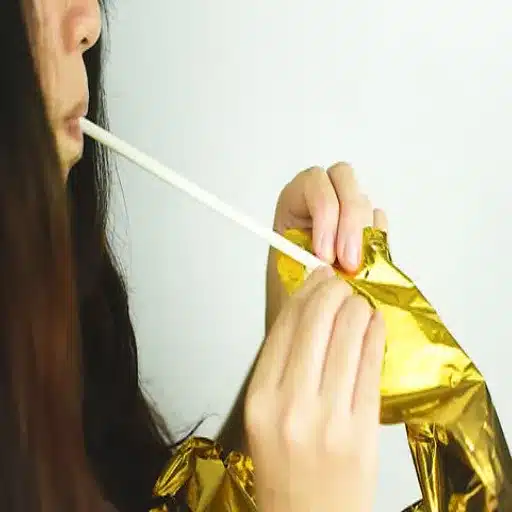
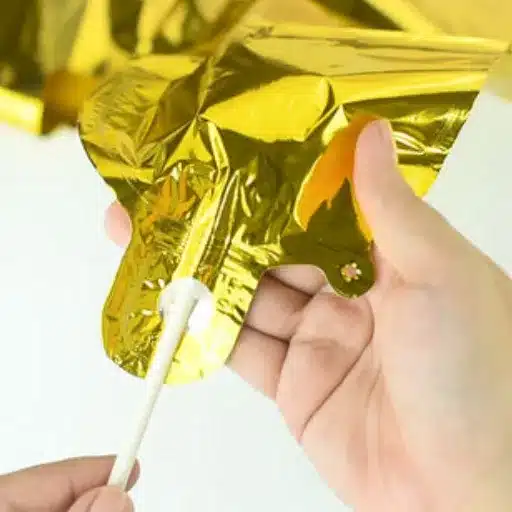
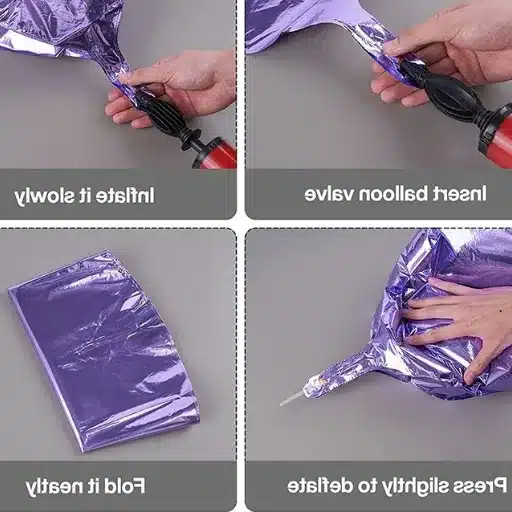
The proper straw insertion into the foil balloon’s inflation tab is a very precise process that makes a powerful and effective seal in the process of inflation. Start by gently feeling for the plastic tab as it is normally located on the very bottom part of the balloon. Open the tab with care using your fingers and being careful not to rip it or destroy the fabric that is around the tab. On the next step, take the straw, put it straight into the tab, and make sure the straw is within the strip of plastic film. Push the straw down all the way to get to the self-sealing valve, which is typically around a couple of inches in the tab. Never ever try to press the straw all the way through the valve because it can be damaging and the worst scenario would be leakage. When the straw is at the right spot, go ahead and start the inflation carefully watching over the balloon to control its size and prevent from bursting.
Pinching the Straw and Blowing Air into the Balloon
After the straw has been placed securely, your task is to pinch the tab surrounding the straw with your fingers tightly. This step must be done very carefully to be able to keep the passage closed while the air is being blown in. Thus, it is crucial to carry out the next step is that the seal will be put the into right manner hesitate to do which would cumulatively allow the air to leak and inflate the candy. Holding the straw in its place very firmly, start blowing the air in the straw very interactly and regularly loss the air from the womb. All things considered, it is always a good policy to stay within the prescribed limits of the manufacturer when it comes to inflating a balloon. According to the nature of the product, a balloon of this type can be made to hold air at a certain pressure or volume; it is, therefore, possible to know that these limits which if crossed could cause a thinning in the strength or functionality of the material. When the size that is wanted is reached, the straw should be taken out with care, yet the tab should be pressed to keep the self-sealing mechanism from which to assume that the air goes through completely within and closes.
Ejecting the Straw in Such A Manner that no Air Goes Out
If you want to take out the straw without the balloon losing air, press the air inlet tab consistently while the straw is being carefully pulled out. This way, the self-sealing mechanism is activated and the balloon becomes airtight. The self-sealing mechanism is designed in such a way that it applies pressure to a thin adhesive layer inside or that a physical barrier is placed into the air opening, thus closing the airway as the straw goes. Sudden moves that could upset the sealing process as well as premature release of pressure must be avoided at all costs. The efficient removal of the straw in relation to the right use of the valve’s mechanism will let the balloon keep its shape and not lose air for a longer time.
Avoiding Common Inflation Mistakes
Overinflation: Signs and Prevention
Overinflation occurs by putting too much air in a balloon stressing it both physically and making it easier to rupture. Signs of over-inflation include the surface of the balloon becoming too thin, the appearance of dark lines or an irregular color, or the balloon forming a shape that is not its intended one. Balloons that are over-inflated will be more likely to burst under even the slightest of forces or external factors like changing temperatures.
To keep your balloons from overinflation, make sure you stick strictly to the manufacturer’s maximum volume numbers, which are usually given in cubic inches or liters. Use an air pump whose pressure is regulated or inflating devices that have built-in safeguards to avoid going beyond these limits. Moreover, check the balloon every time it’s being filled for the physical stress indicators that will make the material stay in the safe range and will even add strength to the material and hence, durability and performance.
Underinflation: How to be sure that the balloon is properly inflated
The improper inflation of the balloon can make the whole process go wrong and the balloon itself unable to perform its function and even burst prematurely. Follow the inflation volume and pressure specifications recommended by the manufacturer as the first step to guarantee proper inflation. You can utilize very sensitive measurement tools like pressure gauges that have been accurately calibrated to conduct the required inflations at the same perfect levels and make those levels at the thresholds which are the best for the operation. Always keep an eye on the balloon’s film tension; the lower the pressure, the less the tension, this makes the material not be able to deform as much as intended. You can and should check the balloon size and shape compliance with your specifications by repeatedly inflating and deflating at the rates and periods typical for operatic if you want to be really serious.
Tips for Preventing Balloon Shape from Canceling
It is quite essential to manage the environmental conditions like the temperature and humidity in order to keep a balloon’s structural integrity and certain shape after it has been inflated. Material can expand or contract due to too low or too high temperatures, and in this case, it may result in the material’s rupture or deformation. The scenario where an inflated balloon is placed in a controlled temperature condition seems to be the best as it is where the material remaings stable and still keeps its shape. At the same time, not touching the balloon with sharp objects or not putting it on surfaces that might scrape it, decreases the possibility of the balloon being punctured, which could lead to a total shape collapse of the balloon. Another technique is the inspection of the balloon too which helps in gradual deflation by giving out small signs of wear or developing micro-tears. One of the most important elements of the repair not only to avoid the further breakdown but also to bring back the original state is the use of non-reactive materials and adhesives. Balloons’s life after inflation can be also enhanced not only by preventing but also by repairing through these methods.
Creative Ways to Use Inflated Foil Balloons
Decorative Arrangements for Events
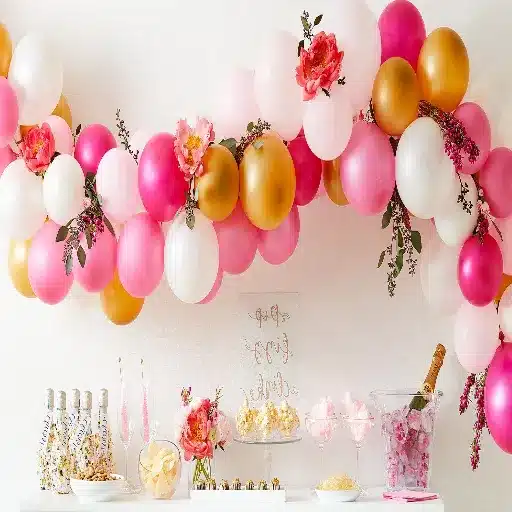
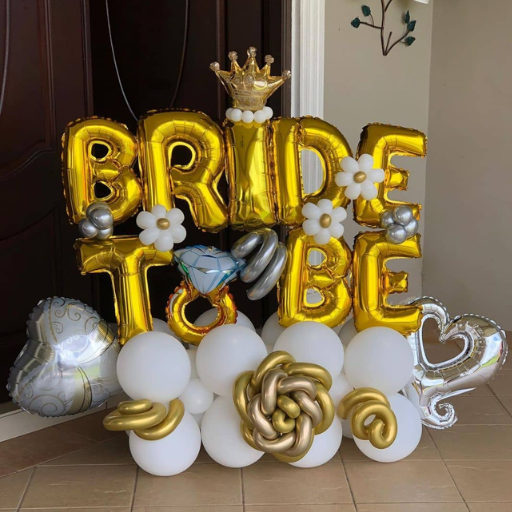
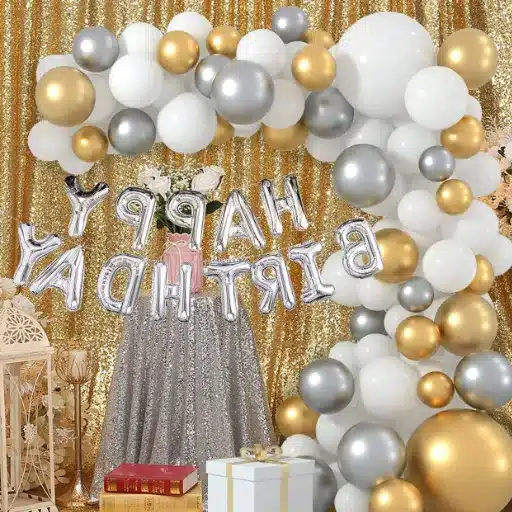
Inflated foil balloons are among the most popular items used for décor in modern events; hence, I pay attention to the modern trends and try to come up with creative solutions that are also practical. The decoration of the arch or the garlands made out of the different sizes and shapes of foil balloons of various colors has been one of my most favorite and go-to concepts. The resulting structure can be very eye-catching with all the colors and shapes incorporated; thus, it never fails to be the center of attention and to set the mood for the occasion. For instance, golden, and pastel foil balloons are a favorite for weddings and the welcoming baby parties, while the brightest of colors are the best for birthday parties or any other social event. The only way these designs shall be put up safely is by using a balloon strip and some adhesive dots and they shall keep up through the event when I make them using the best quality materials and facilities.
I often resort to another method, and this time I use banners made of balloons in the shape of inflatables to decorate the party. Making them balloon shaped and thus making them Centro pieces or focal points are the prime reasons that have made placing these balloons on the floor the best. When one hesitates as to which solution to choose, he or she can lead them to the one which is most common, that is the one of invisible hanging line balloons. Foil balloons with pictures, logos, and text that are customized names or event-related messages are the things most widely adopted and sought as the enchanting tool for the event and therefore they are the ones that I use as the customization touch that further gives the setting a better appearance.
Furthermore, there must be included in the decoration the element of light as it is one of the most interesting and effective resources that add to and forms part of the beauty of the whole effect of the decoration. These especially are added at night or in places where there is hardly any natural light and in this case then the luminated balloons become the focal point. It goes without saying that this is a great way of attracting attention and turning simple balloons into discussions of the day. And they are also very photo-friendly which means that the friends of the clients sharing the photos on the Internet will be the biggest promoters of the photo stand at the event and the best proof that the occasion was a memorable one.
In order to keep an aesthetic in perfect harmony, I pay attention to mixing the foil balloons with shabby elements like flowers, ribbons, or themed things. And this way, balloons turn into more than just the design’s focal point; they are an inseparable part of it. Besides, the importance of going green in the modern décor is rising; I am careful to always remove and recycle the foil balloons whenever possible, which not only makes the arrangement almost environmentally friendly, but also doesn’t affect its quality. These methods help me in creating such innovative and long-lasting balloon decorations that they in fact, make the setting’s mood and seem to be part of every occasion.
DIY Balloon Bouquets and Centerpieces
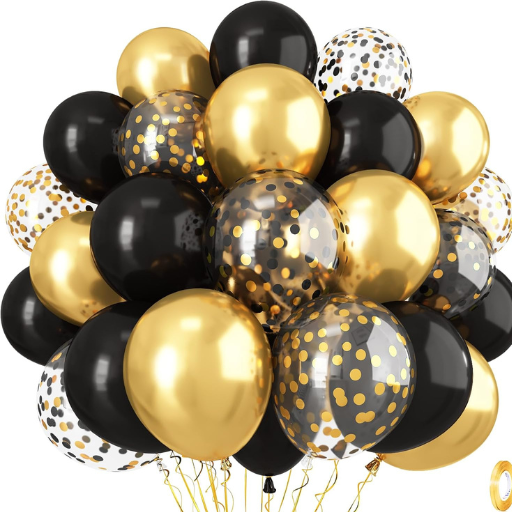
Creating your own balloon bouquets and centerpieces is a mixture of being ingenious, having the right systematic knowledge and being very well prepared in order to get professional looking results. In the case of making balloon bouquets, I always begin by the selection of a harmonious color palette that would match the event’s theme or decoration. The main things that I choose from are actually latex and foil balloons that come in different textures, colors, and sizes. Those are the primary materials, although I do not stop here but add extra elements for more fun such as tassels, ribbons, or even LED lights. It is important that the balloons are inflated to the right size with the help of a hand or electric pump in order to be all the same and to avoid big expansions that would cause moments of appearance of flaws like pops and inconsistencies. I usually use sturdy balloon weights and fishing line or decorative ribbon to very smartly set the balloons at different heights and so get a visually dynamic bouquet.
I work hard to keep the stability and proportions of my centerpieces to perfectly suit the table or area that they will grace. My go-to options are a balloon stand or clear acrylic rods for the base to make the structure more durable, especially during outdoor events where wind can be a problem. As for the centerpiece, I like to make the design more lively by adding complementary items like fresh greenery, artificial flowers, or balloons filled with metallic confetti. These elements provide the decor a certain look and feel and at the same time make it look more elegant. I also apply the symmetry principle in arranging the decoration, thus the focus is set at the center while the elements on the sides are still visible but not too crowded.
Keeping an eye on the latest trends, like for example organic balloon arrangements, and ombré color transitions among others, will enable me to always upgrade and adjust my designs to various event styles. Furthermore, I try to make a positive impact by selecting biodegradable latex balloons and conscientiously recycling non-biodegradable materials. With this kind of a setup, I get the most out of my time and your time as well, since the final product will be a very attractive and green-minded self-made balloon arrangement and centerpiece, which is unforgettable.
Unique Floating Techniques for Display
My way of working with balloons is to combine innovative materials and methods to make the most visually impressive displays. Among the many methods I have, the one I mostly choose is combining helium with different control means like weights, monofilament lines, or the ever-popular adhesive dots in order to manipulate the height and the arrangement of each balloon. When I change these aspects, different types of, but almost equally impressive, displays are born which, through their movement and depth, give the perception of being alive. To keep up the wow factor, I usually take a step further and add elements that make it look like the balloons are floating on clear or reflective surfaces that double their visual impact and create a wonderfully floating look.
I have another trick that I use that involves using balloons that are filled with air instead of helium and they are held up by using transparent tapes, suction cups, or ceiling attachments for a perfectly smooth elevation. It is very practical at places where the law does not allow the use of helium or in installations where longevity is a requirement. Moreover, I do experiment with air-filled balloons and balloon garlands made of lightweight materials as there becomes extending of the visual area without losing the floating aspect, therefore, making it more versatile. They are often used in low-light situations indoors that require installations, e.g. because they are often moved around for different social functions.
The said approaches, to be followed, I can make everything nice and functioning, pretty and able to fit into many different event styles and needs. Being updated with the most fashionable trends in the balloon design and finding new materials to work with are the strategies that will not only help me to design very special decorations with balloons that float but also to be always on the very edge of the creative balloon art field.
Reference Sources
-
How To Deflate A Foil Balloon: The Ultimate Guide – Discusses techniques for handling foil balloons, including deflation methods.
-
Static Electricity Balloon Experiments – Bowling Green State University – Includes instructions on inflating balloons for experiments, which may offer general tips.
-
Physics Play Activities – Southern Illinois University Edwardsville – Provides general guidance on inflating objects like balloons, which could be adapted for foil balloons.
Frequently Asked Questions (FAQs)
To what extent is the straw inserted into the tab for inflating a foil balloon?
Examine the filling tab and carefully pull apart the 2 layers of plastic in a way that the inner seal is visible before you put a straw and start filling the balloon. Use a drinking straw or the end of the pump to pierce the inner seal so that the air can penetrate into the balloon and so inflate it. This is the typical method of inflating foil balloons and also a very simple way of inflating a balloon with air for decoration rather than with helium. Do not be tempted to overfill a balloon for fear of small holes or burst; helium balloons should be correctly inflated instead. Should you feel any resistance, change the straw size or use the hand pump nozzle to fill the balloon properly.
Will I be able to do it with my breath or shall I use a hand pump?
You may be able to blow up a balloon by blowing, but a hand pump or air pump with a nozzle is a more convenient way to inflate and also helps you to fill it up without feeling faint. A hand pump or a small air pump will be the best way to fill foil balloons as they will do it faster. If you are using regular air, remember that foil balloons are made of mylar and have a valve or an inner seal that you need to open before inserting the straw or the pump tip. To avoid overfilling and ultimately a pop, quit right when the balloon is tough and is completely filled but not distended to a bubble. This way of inflating foil balloons is becoming very popular among YouTube users as the fastest and easiest way to inflate them.
What is the correct way to inflate foil balloons using a straw, and then squeeze the straw afterward?
Put the straw in the balloon. Keep shoving the straw in until you hear noise. After that push the piece of plastic until the airbag gets full. Next, press the straw together after you have pinched the tab, and while you take the straw out, you can continue working with the air sealed there. By making use of the tab that you flattened, you can then press it to make the plastic’s self-sealing layers close the inner seam. The trick is useful when you do not want to lose the air of your balloon and instead it sustains a constant volume. This is a preventive method for small holes and leaks in the balloon. It is also possible to make the balloon float with helium, but by using this method, you can have nice decorations with the regular air. Complete the other balloons off your kit by repeating the same process with all until they reach the same state, fully blown and ready for the party.
How would I inflate the foil balloons with a pump so they don’t pop?
Bring a pump with a tight nozzle that fits the filling tab of the balloon and push the pump tip carefully into the valve or straw of the balloon in order to inflate it. When you inflate, do it slowly and pause frequently to ensure that the balloon has the right firmness. The reasons for popping a foil balloon when overfilled are the stretching of the outer and inner layers of plastic, possibly ending up with separation. A lot of people go for a hand pump for more significant control and therefore you can go off the burst away while having the feel when the balloon is already inflated. If the balloon may still be soft, continue to add small bursts of air until the right tension is reached without forming a big bubble in the material. To add to the safety, keep sharp objects such as pins or confetti with sharp edges away from the balloon.
Do I need to remove the straw after I inflate a foil balloon and how do I seal it?
After the airbag is inflated, gently remove the straw without releasing the pinch of the filler to prevent losing air, and then seal the tab layers to corral the self-sealing valve in the constraint. The inner seal and outer layer must line up for the two to properly rejoin after you are done gently pinching along the seam. Some foil balloons are designed with a valve that closes automatically but by pushing the tab one is ensuring the correct inflation of the balloon process. If you decide to use a straw to fill the foil balloon, the same removal process will apply since the use of a pump; just make sure to prevent small holes from rough handling. After sealing, one should check the balloon for any potential leaks, by listening or feeling the escaped air and repeating the process if necessary.
What are some ergonomically helpful tips which assist in the inflation of foil balloons without using helium and to give them the perfect?
To have the foil balloon look entirely full without the helium effect, inflate it gradually with common air until full and the seams are wrinkle free, but watch out for the popping possibility from being overinflated. Use a straw or an air pump and find the fill tab so that you can put the straw in the valve to fill the balloon with air, then pull out the straw, and then push the tab to seal the balloon. Putting a little bubble of air near the valve can assist with the inner seal properly seating and the balloon not deflating quickly. For a pretty look, introduce confetti or another small light thing inside before sealing, and make sure the confetti will not puncture the plastic layers. This is a simple and safe way to inflate the balloons for the decoration of the place, and it is the best alternative for helium balloons for any of your events.