
Even though it is commonly seen as a normal procedure, there is a certain degree of skill involved in blowing up balloons which can turn a party into a great joyful and creative occasion. For different purposes including the birthday party, the most varied balloon decorations, or just one more fun skill to master, one needs to follow the same rules. It wishes to guide the beginners of airflow balloon technology step-by-step, and simultaneously, to introduce some tricks to the party, in which the balloons will play the main role. The whole process, from choosing the right type to the last point which is the performance, is not at all hard with the ones who came up with this content, because they have provided all the explanations and the guidance. If you follow them, you will be able to carry out the most simple and creative ideas to draw attention and leave the guests with good memories. Be prepared to get the next crowd thrilled with the colorful balloons etc.
Understanding Different Types of Balloons
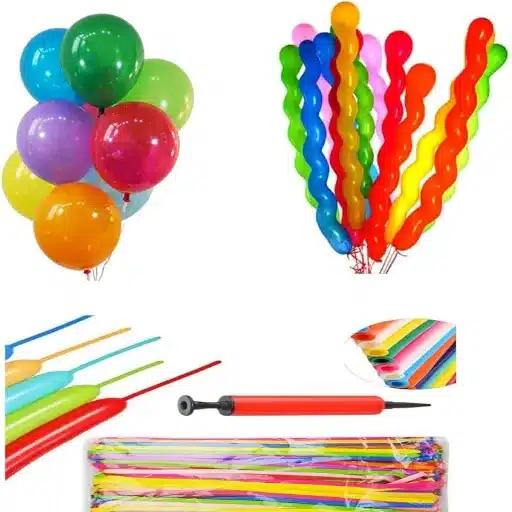
Foil Balloons vs. Mylar Balloons
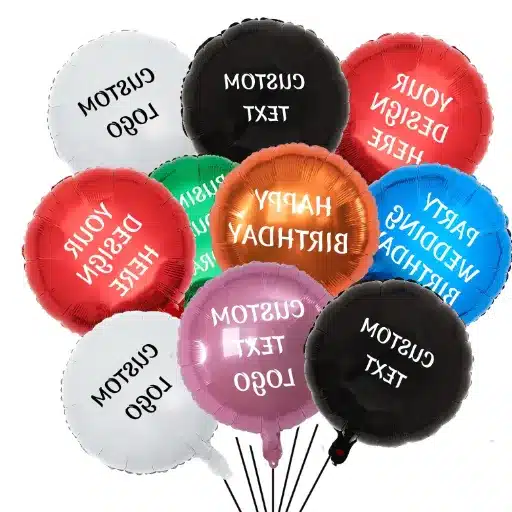
People usually use Foil and Mylar balloons interchangeably, but the truth is that they have features which totally differ and these characteristics can affect their various uses. They are the same in regard of being made from flat and bendy matter which is metallized plastic. Despite that, the definition of “foil balloon” is wider, and it often implies any balloon with a foil-like appearance, while on the other hand, “Mylar balloon” strictly stands for balloons produced from BoPET (biaxially-oriented polyethylene terephthalate). Mylar balloons are very light, robust, and they can retain helium for much longer periods when compared to the latex ones. Their surface is also suitable for the detailed printing which is one of the reasons why they are the major choice of custom figures and complex patterns printing.
Mylar/Foil balloons are quite convenient to have indoors, being less stretchy but thereby less likely to break than their natural rubber equivalent. The bio-incompatibility of these balloons entails the adoption of methods such as being disposed of in an eco-friendly way or recycling. A grasp of the difference between foil and Mylar balloons can lead to making the right decisions for occasions ahead, and ensuring the best possible look and practicality of your event with the environmental aspect taken into account.
Choosing the Right Balloon for Your Occasion
When you die the best balloon for a certain situation, you really have to check the materials, which are of much influence on both the performance and the environment. The ones from latex, being the kind of rubber balloon, are very stretchy and decompose very well through the right conditions. They are just great for the open air and are quite frequently picked on account of their price and the big supply of the different forms and colors. But on the other hand, the fact that they do not last as long as other types and that the heat and the sunlight cause them to burst easier may be the factors that would make them less than practical in specific situations.
Mylar or foil balloons, on the contrary, are made of a thin polyester film that is film that is tough and a great helium retainer. These qualities make it suitable for use in quite detailed designs, adding a brand image, or long hours of partying. Nonetheless, as they are unable to decompose, they have to be disposed of with care to protect the ecosystem. The choice between latex and Mylar should be decided according to the time needed, the look and the green aspect of the happening, where it will be held.
Common Sizes and Shapes of Balloons
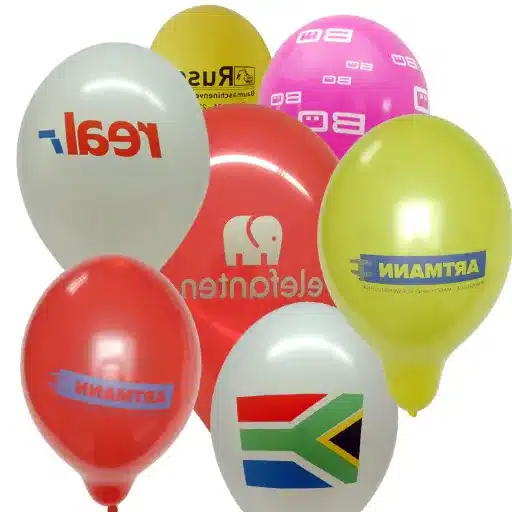
Balloons are made in different sizes and shapes to cater to the various types of applications from simple decorations to complicated displays. The standard latex balloon sizes are generally from 5 inches to 36 inches in diameter, with 11-inch balloons being the most commonly used for general decoration purposes. Balloons that are larger than 24 inches, such as the oversized ones, are usually displayed as the key attraction in an event and made great use of in outdoor occasions owing to their high visibility.
However, Mylar or foil balloons—a different type from latex balloons by the material—come in a wide choice of shapes ranging from stars, hearts, and characters, to unique and creative custom-made designs. Still, the normal round shapes belong to the selection as well. They are available in sizes that may span from 18 inches to 40 inches or even bigger, based on the design’s complexity and the use the balloon is intended for. These balloons with special shapes, like those in letters and numbers, are at the same time, very popular and therefore in high demand for birthday, anniversary, and corporate events decoration, as they bring forth a lively, customized way of messaging.
It is extremely important to know the size and shape of a balloon in relation to the method of inflation—whether it is air or helium—that will be used, as this has a direct impact on its subsequent overall performance, especially when it comes to bigger or oddly-shaped ones that need an almost accurate inflation in order to be distortion or bursting free. Different ways of inflating a balloon and still giving an all the same size and shape within the variety of the characteristics, allows with this process for even more creative versatility and eventually the event planners had the freedom to also choose a design in line with both their target market and logistical needsy.
Ways to Blow Up a Balloon
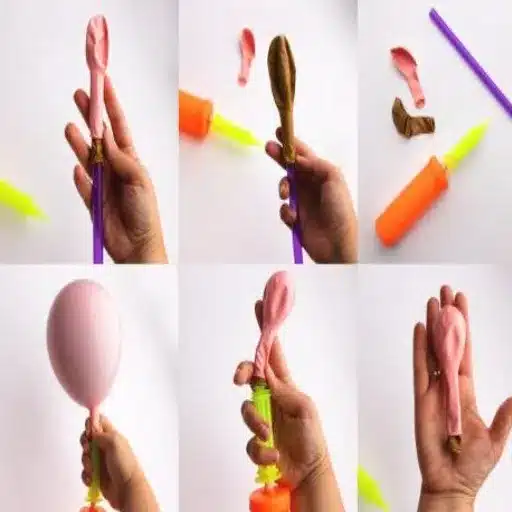
Using Your Mouth: Tips for Beginners
While inflating a balloon with your mouth is one of the simplest yet most effective ways, it demands a proper technique to get the maximum of being efficient and not making much effort simultaneously. The matter of starting with a balloon of standard elasticity such that it does not cause any trouble at all in the course of making it inflate is important. Gently stretch the balloon out by pulling on its two ends; this step will make it more stretchy and, as a result, less resistant to the first blowing air. Place the neck of the balloon very firmly between your lips and do not let the air come out by making a tight connection. On the first instance, fill your lungs to capacity by taking a deep breath and then let the air out by blowing into the balloon but keeping the pressure constant. If at any point, you feel like the task is getting out of your control, take a short break to prevent any possibility of hyperventilation or fainting. Small sized balloons are our recommendation for starters because they demand a lesser force and a smaller space of the lungs which makes the process more pleasant. Once you have had enough experience, the method will be fairly practical over time.
How to inflate a balloon with a straw
Blowing air into a balloon with a straw is an unconventional way that is actually better in terms of being able to control and aim the air at the precise spot, especially for those who cannot produce enough pressure with the lung or have difficulty in making a tight seal. Firstly, get a straw that is very firm and can easily enter the neck of the balloon. Afterward, put the straw about one to two inches into the neck area to make sure it has sealed correctly to avoid the air from leaking. When this is done, retain the balloon in such a manner that it is pressed around the straw, and the seal is kept firm.
Secondly, blow a controlled amount of air through the straw continuously. By doing so, one is then able to avoid any pressure outbursts that can lead to a very limited expansion of the balloon. The reason for that is that the airflow is quite slow, hence, caused by the use of the straw, remaining constant and thus, the inflation event becomes much smoother. Very often, though, air will start to slip out from the sides; to work out, redo your hold to make it tighter. Do this as many times as necessary until the desired size is reached and take breaks in between if you start feeling tired.
This method is very useful, specifically when blowing up the balloons for décor, as it reduces the chances of bursting the material due to over-inflation or uneven air supply/pressure.
Innovative Tools and Gadgets for Balloon Inflation
The technological evolution has introduced several tools that simplify and perfect the balloon inflating process. The electric air pump is one of the most effective devices, as well as it uses a high-performance engine for blowing up the balloons expeditiously without any physical effort, hence minimizing the time and physical effort associated with the traditional methods. Moreover, many of these pumps come with adjustable airflow settings thus offering a wide precision range to suit sundry balloon sizes and materials.
In situations that require a higher level of accuracy, the automated inflators will have pressure monitoring equipment and digital displays. They allow the user to specify the level of inflation to the nearest point and this way they avoid the risk of over-inflating the balloon which in turn preserves the structure of the balloon. The balloon market will benefit from the models that have two nozzles for bulk inflation tasks. These models are efficient because two balloons can be inflated at the same time thus increasing the productivity.
Moreover, several inflator models have been made available due to the use of small inflation guns with the ergonomic designs, combining light materials and piston-driven action for eased carrying and operation. Furthermore ergonomics, some models are designed with safety functions like the unit will switch off when the right air pressure is reached which can be an advantage in getting consistent results.
Last but not least, the eco-friendly consumers also have an option for sustainable balloon inflation with the help of manual foot pumps and reusable inflator attachments. The eco-friendly tools we’ve just discussed can be the rechargeables used for inflating and also driving the balloons. They are particularly in the area of power sources. The substitution of electricity with these tools is a step towards the use of power generated by clean and renewable sources thus making the whole process environmentally friendly.
Stretching and Preparing Your Balloon
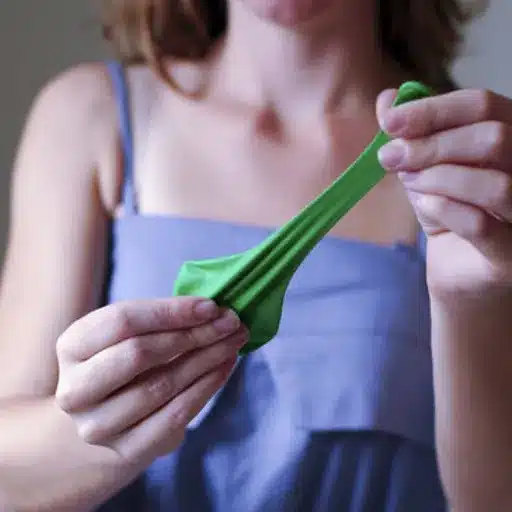
How to Properly Stretch a Balloon Before Blowing
To properly stretch a balloon before blowing, start by holding the balloon’s neck and nozzle. Then, carefully pull the balloon away from you and to the sides with consistent force vertically, horizontally, and diagnolly. This stretching activity will make the balloon material expand its size even when it’s not inflated, hence, reducing the balloon’s resistance and making it easier to blow up. The material loosening effect of stretching also ensures that the balloon would inflate with the same speed and strength in every segment, which decreases the chances of the balloon having thinner parts that could break even at an early stage. It is advisory that you do not overdo it, as this could weaken the balloon’s strength. By doing so, you would be increasing the ease of inflation, and hence prolonging the life of the balloon for purposes of decoration or other functional uses.
Preventing Balloons from Popping While Blowing Up
It is of utmost importance to choose the appropriate material and size for the intended purpose if we want to avoid the bursting of balloons while inflating them. For instance, latex balloons are very elastic and, therefore, suitable for most cases, but the thickness and quality may differ from one maker to another. Using the balloon pump instead of manual inflation, the airflow will be more smooth and controlled thus pressure surges that may lead to an integrity loss of the structure are greatly minimized. Additionally, keeping to the recommended inflation size is crucial; beyond this, the balloon walls will be stressed excessively and the odds of breaking will increase. The inflating process should be done in a secure environment, where there are no sharp objects and the temperatures do not fluctuate since it will also contribute to the extended lifespan of the balloon. Combining correct tools, environmental factors and strictness in the inflation guidelines will help the users follow the present instructions without actually reducing the life expectancy of the balloons as a whole.
Best Practices for Handling Balloons
Proper storage is critical if you would like for the balloons to last and stay usable. The best thing to do is put the balloons in a cool and dry place where there is hardly any friction or direct contact with a sharp object. It is quite obvious that the heat is one of the balloon’s enemy. It is a rule that they must be at a place that does not receive a lot of direct sunshine. This is because the much energy from the light of the sun that falls on them can cause polymers to break up thereby shortening their life span. High humidity or extreme temperature fluctuations can also contribute to weakening elastic materials which increase the risk of leakage. To prevent the balloons from being damaged and to increase the chances of their remaining strong longer, one must put them in hermetic containers. It is an established fact that balloons quickly react to air due to oxidizing and as such the container should be airtight in order to minimize the effect. As a result, it is the best solution to balloon oxidation- it can take place if there is oxygen present but none in a closed container. In addition, the storage space should be kept free from sharp objects, chemicals, or abrasive surfaces and contaminate the balloons.-By following these instructions the lifespan and resistance of the balloons will increase to reach a level where they are really durable.
Fun Party Tricks with Balloons
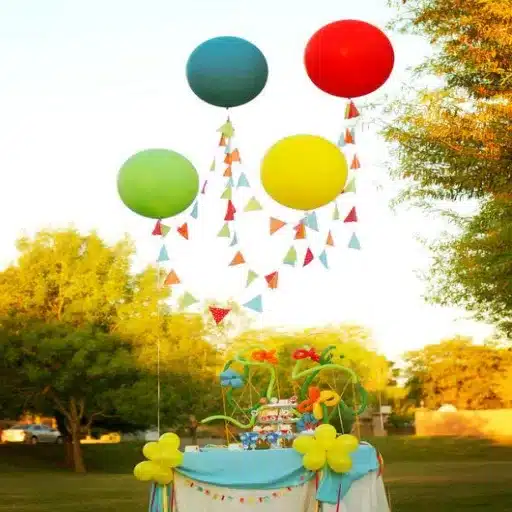
Creating Balloon Animals: A Step-by-Step Guide
To create a balloon dog, you will need a high-quality twisting balloon and a balloon pump for inflation. Go through the following steps wisely for the design to be made easily:
- Inflation and Preparation:When inflating the balloon, you should inflate it to the size of 90% of its maximum capacity. Leave about 2–3 inches uninflated at the tail end to have a part that is more elastic. This part will be the head.
- Forming the Head and Ears:To form the dog’s head, twist the balloon about 3–4 inches from the nozzle to make the first segment. Then, twist two more segments, each 2–3 inches in size, for the ears. Attach the ear and head twists together, and then twist them near the head to secure the ears in place.
- Crafting the Neck and Front Legs:First of all, create a single twist that measures about 2–3 inches below the balloon’s head for the neck part. Then, do two additional equal-sized twists—around 4 inches each—for the front legs. After that, fold and twist the base part of these two legs so that you could place them evenly under the neck section.
- Shaping the Body and Hind Legs:After the front legs are situated properly, proceed with twisting the balloon at about 5 inches from the neck’s bottom so that it forms the body. Later on, do the same for the hind legs like how the front legs were done. Each leg consisting of two 4-inch twists. Again fold the base of the leg, so as to secure them under the neck.
- Final Adjustments:To make sure that all parts are fitting together properly and symmetrically, gradually untwist or twist the parts that do not sit correctly. Keep a ratio check, where the legs and body should be equally-sized and located with respect to the head, and then find out that the tail is still present to give it a neat finish.
In this detailed tutorial, we will guide you through the basic steps of creating balloon animals with the focus on being precise and using good technique. By mastering this general design you can move on to create more complex models with the ability to learn and experiment in time.
Balloon Decorations for Your Party
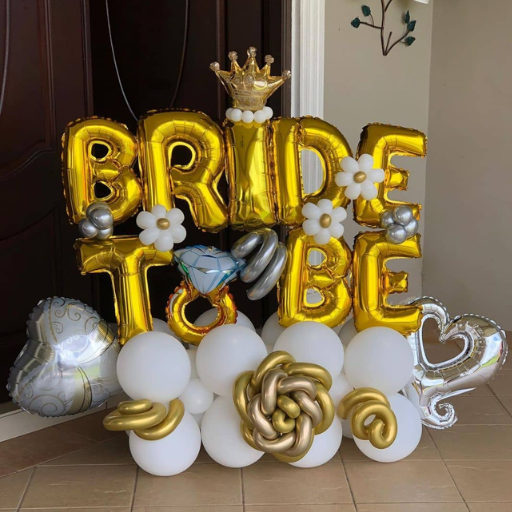
Balloons can indeed create a very festive scene in any party or event. Guests will connect more easily due to the balloons. The combination of colours, shapes and designs will help to contrast them thereby, balloons when put together in a hallway or at the entrance of an event centre can be another way of fun starts. And, you can always move the enjoyment in the form of balloons to the actual party that will take place. Popular balloon decorations are arches, garlands, and centerpieces that can all be custom made to the event’s directions.
For example, while crossing the different price-through-marble, the balloon arches are formed by connecting the inflated balloons to a curved frame. The idea that even the option of single-colored balloons is available, something as fancy as using balloons colored differently might be seen. In contrast, a beautiful tray is the flavorful candy of a party; the same role that garlands have, with them usually hanging from the walls, tables, or even ceilings to lead the whole event’s theme from the venue. The balloons are the ones that create some hype, attach them with the weights, or whatever is necessary, and even more, add some ribbons or LED lights for the dramatic effect.
When it comes to balloon decorations, always make sure to take into account several things, among which are the venue size, the event duration, and environmental factors. The key to creating decorations that are not only beautiful but also dependable is to use materials that are of good quality, such as latex or foil balloons and to apply the appropriate fixing method. It is through the perfection of technique and the exercise of the creative element that balloon decorations can be the crucial factor that adjusts the atmosphere for the better and will not let the attendees forget the event for a long time.
Games and Activities Involving Balloons
Balloons are multi-purpose items that are used in the various games and activities. Almost all of the players of all age ranges can be entertained and involved. Balloon Volleyball, for example, is one of the most common games. In this game, players use a balloon and heave it to and fro across the net or the allotted space, promoting teamwork and hand-eye coordination. Moreover, Balloon Pop Relay is another fun activity where the participants have to race to sit on and pop balloons one after another, making speed and exactness come out. Balloon Sculpting Workshops can be another dimension through which a creative setting is brought to the event, and also the intricate shapes and figures made with modeling balloons are taught to the participants. Also, Balloon Darts as an activity will have the participants target balloons tied on a board, which is a safer and more regulated form of the conventional dart games. The participation in these activities not only ensures that one does some physical activity but also the mental aspect is developed, and some opportunities for social interaction, creativity, and problem-solving are established, which, as a result, makes them indispensable activities to be used in different kinds of events like birthday parties and team-building exercises.
Safety Tips When Blowing Up Balloons

Common Dangers to Watch Out For
Inflating balloons is for me a process that is full of consciousness, safety being my main priority. Over-filling the balloon is one of the most common hazards which can result in a balloon pop without warning. The burst of the balloon is not only a sudden event but can also bring about the leaving of tiny bits that might act as an obstruction in the throats of people, especially children, or cause minor cuts on their skin through the rebounding of the bits against their face. One of the precautions I take to avoid this kind of incident is that I inflate the balloons using a pump instead of doing it manually, since this way the pressure of the air can be more easily controlled and less strain would be put on me in comparison to when I have to use my lungs.
One more danger I take into account is the allergies to latex since the reactions can cover a wide range from just a little skin burn to serious breathing difficulties. Those who are sensitive should really stay away from handling the latex balloons at all and instead choose such alternatives as foil or Mylar balloons. For those who are not sure of their susceptibility, gloves and avoiding extended contacts are good security measures. Besides, I am apprehensive about the presence of balloons with young children, as the deflated balloons or the balloon pieces could become a big choking hazard. Thus, I take all the necessary precautions and have a more watchful eye in these situations, so as to avoid any accidental swallowing.
Finally, the heating and the sharp material are very important to me not to be around because they burst a balloon which can be quite a hard hit for most people. Putting balloons in cool and dry places will make them last longer and tougher. Besides that, by knowing the risks of both and maintaining safety, I ensure the safety of the people that are around me and at the same time create a safe place for everybody who is in the balloon-related fun and games.
How to Safely Dispose of Balloons
Being very careful about how to discard balloons is really important because doing the right thing reduces environmental harm and secures the safety of the public. I personally don’t cut them even if they are latex so as to keep animals away from the risk of choking. Though, it may still take a few months for the latex balloons to degrade since they are not absolutely non-biodegradable. That is why I simply put them in the garbage with other junk rather than recycling bins since it is almost impossible for the recycling plants to recycle them. However, reducing the balloons into small pieces before throwing them away does not let the big remnants remain and hence there is no danger that they might hurt either animals or children.
Taking care of the environment is very important and one of the things that I do is to make sure to let the air from foil (or mylar) balloons fully. 100% helium or air is required to come out of these balloons. So, they must be put in the trash since they cannot or are not usually recycled in curbside programs. However, in the case that the balloon’s quality is such that it can be reused, I will wait until I have no use for it instead of discarding it right away. This way, waste will be reduced and the lifespan of the material will be extended.
What’s more, I will not let balloons go to the sky because this is a practice that can cause great harm to the environment and its living beings. Balloons, once released, will often travel considerable distances and finally a term “litter” will be applied in the natural sustenance areas and aquatic environments as they may entangle wildlife species or they may be ingested by wild animals who mistake them for food. So, I am doing my bit in terms of sustainable practices by the proper balloon disposal as well as the lessening of the ecological impact.
Child Safety Tips for Balloon Play
The sound of children laughing and playing is something that I always love to hear. As it is the main indicator of a child’s wellness and happiness, I am adamant on safety as the top priority in children playing with balloons. Yet, one must understand that such an object as a balloon is a potential danger and, at the same time, is a good trigger for the choking accident. On the other hand, safety measures apart, balloons are not only a means of joy at parties but also a very common children’s toy which every child loves and this is the reason why they are scattered everywhere around the house.
Inflating balloons is another activity that demands careful attention. I prevent kids from inflating balloons by themselves, for I fear this can be the cause of certain accidents, like the bursting of balloons, which is a potential threat to the safety of their eyes if not an actual cause of fear. Instead, I simply use a pump to inflate the balloon, which is easier and safer. What is more, I educate the children not to chew, bite, or suck the balloons, which are most likely to be the cause of choking.
Lastly, among the measures I take is the purchase of premium-grade, non-hazardous latex or foil balloons from the top brands adhering to the latest safety regulations. This makes the raw materials used for balloon manufacturing less likely to shatter into harmful pieces. I also, always, prohibit balloon overinflation as this puts a lot of pressure on the balloon to burst even on the slightest trigger. I was very strict in following these safety protocols so, while playing with the balloons, a safe and enjoyable environment is created, where the health and well-being of everyone are brought to the forefront.
Reference Sources
- The Value of Blowing Up a Balloon – Offers practical advice on safely blowing up balloons without straining.
- The Hot Air Balloon Book: Build and Launch Kongming Lanterns, Solar Tetroons, and More – Includes troubleshooting tips and creative ideas for balloon-related activities.
- Embedding the Element of Fun in Teaching Writing for ESL Young Learners Using Balloon Popping – Highlights fun activities involving blowing and popping balloons for educational purposes.
- How to Perform a Successful Drug-Coated Balloon Angioplasty? Tips and Tricks – While focused on medical balloons, it provides insights into handling balloons effectively.
Frequently Asked Questions (FAQs)
❓ How can I inflate a balloon using my mouth (blow up a balloon)?
Using your mouth to blow up the balloon is the most direct and simple way, however take a deep breath first and blow steadily instead of short puffs. Put the opening of the balloon over your lips and fasten it firmly with your thumb and index finger while blowing into the balloon. If the balloon is made of latex and seems to be tight, then try to gently stretch the balloon first, it will make the first blow easier. Do not blow the balloon too much that it might burst; stop when the balloon is completely blown up to the size you desire. If once in a while you feel lightheaded, take a break and on the next occasion use a hand pump or a balloon pump so as to avoid dizziness.
❓ What are the methods of blowing the balloon and stretching it bit by bit to prevent over-inflation before inflating?
Loosen up the latex of the balloon and ease the inflating process by gently moving the balloon in all directions a couple of times. The rubber will become less tight this way and will later expand freely. Moreover, the inflation process can even be started in a mild way through a few initial short breaths or by a first blow with the mouth muscles relaxed. If you face problems with the blowing, put in a nozzle or apply a hand pump to make the blowing process easier and safer; and as a result, it is also possible to prevent dizziness and a light-headed feeling. For foil balloons, do not pull; rather use a pump or helium as needed since foil can be torn when stretched excessively. Whenever you are stopped and will have to pause then always hold the plunger or use the valve so that air wouldn’t escape and you could reposition your grip
❓ I want to use the pump a balloon instead of my mouth (pump, hand pump)?
Yes, invariably the easiest and most recommended way to put some air into a balloon is using a pump or a hand pump. This is more so if one has to have a good number of balloons or does not like the idea of having to blow them by mouth. The secret is to attach the nozzle firmly to the mouth of the balloon, and then start the pump and let the balloon get bigger and bigger while making sure you are not getting it bigger too much. Using a pump also implies less carbon dioxide intake and, at the same time, fewer chances of feeling dizzy as against the mouth blowing method. With latex balloon parties, the pump is of great help to keep the air coming in at a constant rate and the process will be very much accelerated. Lastly, the recommended way for sealing the inflated balloon is either to fold the neck and knot it or to use a self-sealing valve.
❓ What procedure should I follow when I want to inflate a different type of balloon, such as a narrow or a foil one?
Inflating different types of balloons is a process so variable that it cannot be avoided: while the skinny type necessitates less and less air with each puff, the foil type can only be expanded if a pump or helium is used. As far as the skinny variety used for balloon twisting goes, people start by using a small amount of air and stretch the balloon between inflations so that two layers form evenly and the balloon is a bit easier to shape. In regard to foil balloons, the majority of them come with a self-sealing valve; all that needs to be done is to insert the nozzle and very gently inflate it until the balloon is full, but still, one should not over-inflate the balloon. In case the person decides to use helium, the balloon should be secured with a ribbon since a burst can be caused by sharp objects. The situation of the balloon opening and the valve should be checked for correct fit before the nozzle is removed.
❓ What would be the most convenient, trouble-free way to inflate balloons?
It is a simple way to inflate a balloon if you are in trouble blowing it off; go for a manual or electric balloon pump, which not only makes the task of inflating a balloon easier by taking away the need to take a deep breath and blow but also saves a lot of effort. Moreover, while inflating multiple balloons in a row, a pump will help you with the consistent airflow that is other times compromised with mouth blowing, and thus no fainting or light-headedness. Can you imagine how much time it took to inflate a whole bunch of balloons?? Well, an electric pump is the solution to your problems with the help of which the balloons will be ready in a matter of minutes, and many other advantages are there. The very first balloon inflation gets easier by trying to stretch and loosen it if you have to use your mouth. It is always the best practice to hold the air while tying a knot or using a clip to seal the balloon by pinching the neck.
❓ How do I tie and seal the balloon after I blow it?
After the balloon has been filled with air, the best way to prevent the leak of the air is to hold the neck between two fingers and make a knot simultaneously. A typical way is to employ the thumb and the index finger to grip the neck, and with the help of the two fingers, turn the end around, and as the last step pull the tip to make a secure bond. In case the balloon is equipped with a self-sealing valve, the valve should be firmly pressed for a quicker seal instead of a knot. In the course of using foil balloons, first of all, the valve has to be pinched and the nozzle eliminated or sealed in line with the manufacturer’s instructions. If you suddenly change your mind, and you decide to deflate the balloon later, then either insert a straw or carefully untie the knot in order to let the air out gradually.
❓ How can I prevent the balloon from bursting and extend its service life?
Tip for no bursts and avoid distractions can be by letting the balloon inflate but just to the certain point that it is a comfortable size and not even close the limit. Do not allow balloons to come into contact with glass edges, heated surfaces or to be so roughly handed and do not even let them be close to heat sources or direct sunlight so that air expansion might occur hence making them pop. The most convenient and safest way to inflate latex or foil balloons is by using a hand pump or helium with a proper valve. Inflate the balloon slowly and let the air go in to all sides of the balloon to avoid air being concentrated in one spot which will end up in bursting of the balloon. When it comes to decorating, be gentle and tie the ribbon only lightly without making the knot too strong and also prevent two inflated balloons to treat each other so with force that they might pop due to friction.