

Latex balloons are still the top choice for parties and celebrations, as they add vibrancy and merriness to the events. However, in case you are curious to know the answer to the question about how long they last when filled with air, you are not the only one asking. This inquiry is made quite commonly by people involved in arranging or decorating for party events. Knowing the lifetime of latex balloons allows people to make their decorations look great at the appointed time. In this article, we will not only talk about the factors affecting the lifespan of latex balloons but also share expert tips on how to master their longevity and give you the practical insights you need to work your way through party planning. No matter if you are a professional organizer or just someone wanting to make an ordinary get-together a bit festive, continue to read and find out everything you need to know about keeping your balloons flying high.
Introduction to Air-Filled Latex Balloons

Understanding Latex Balloons
Latex balloons are still the most popular choice for all kinds of parties because of their versatility, low cost, and wide variety of colors. These balloons, which are made from natural latex obtained from rubber trees, are biodegradable, and thus more eco-friendly than mylar balloons. Typically, indoors, latex balloons filled with air last for 12 to 24 hours on average depending upon temperature and humidity—factors of the environment. However, the application of balloon treatments, like the use of Hi-Float — a solution that fills the interior of the balloon with a coating, can greatly increase the life of the balloon by slowing down the exit of air.
One thing to consider is that the life of air-filled latex balloons is very much affected by their storage method and location. Balloons in the open will succumb to sunlight and heat and therefore, deteriorate faster; for the sun’s rays can weaken the latex. The latest studies indicate that high humidity coincides with the balloons’ shorter life, as it speeds up the breakdown of the material. It is, therefore, important for the balloon to be stored in a cool and shaded area to make it alive and inflated for a longer time.
Why Choose Regular Air for Inflation?
When it comes to the choice of balloon inflation method, ordinary air is the most practical and economical choice in most cases. Regular air is available everywhere and does not add to the worldwide shortage of helium, whereas helium is quite expensive and its supply is limited. Air, in addition, is what causes the balloons to be inflated to last longer than those with helium. Air-filled balloons can keep their form for a few days or even weeks sometimes, depending on the factors in the environment and the quality of the material, while helium-inflated balloons might have to be disposed of after 12 to 24 hours.
Moreover, using air gives more support to certain types of decorations like the balloon arches or garlands since they don’t need weight to keep them down. The rise in the average price of helium around the globe has a direct correlation with the cutting back of supply, therefore, making the use of air an increasingly common practice for cheap wedding events. Also, from an environmental standpoint, people who opt for air-filled latex balloons are the ones who are more likely to secure and reuse them, thereby, minimizing the chance of accidental release and contamination of the environment by the balloons. Among other things, an air-filled balloon is a better choice for a decor item since it is cheaper and has less impact on the environment.
Factors Affecting Balloon Longevity

Material Quality of Latex Balloons
The quality of latex balloons is a major factor that determines their life span, elasticity, and performance. The common practice for latex balloons is to use rubber latex extracted from the sap of rubber trees as the material. This natural product is not only biodegradable but also has good flexibility, thus an eco-friendly option for decorating. Good quality latex balloons get the manufacturing process done in a way that they all come the same thickness and strength throughout. So, the chance for their getting punctured is minimized and also, longer-lasting inflation is guaranteed.
A recent analysis of the industry states that high-end latex balloons keep helium for around 12-24 hours and air for several days, but this is to a great extent dependent on outer conditions like temperature and humidity. To give an example, manufacturers sometimes indicate thickness characteristics, with the thicker balloons giving better resistance to wear and tear. Research indicates that a typical latex balloon will have a wall thickness of about 0.2-0.3mm, while the thick balloons used in professional setups may reach 0.4mm and more for extra durability.
Environmental Conditions and Their Impact
The surface factors have a very powerful effect on the lifetime and performance of the helium-filled balloons. Temperature, humidity, and sunlight directly influence the time period of balloons retaining helium and looking fresh. For example, high temperatures can, in fact, cause helium molecules to expand, thus resulting in premature deflation or even bursting of latex balloons. On the other hand, the lower temperatures can result in the contraction of helium, again making the balloons look less inflated.
The level of humidity is another factor that is important for this process. Continuous presence of the latex in a humid environment can lead to the weakening of the material, its elasticity lowering and the likelihood of tears or loss of air increasing. Research has proven that balloons in relative humidity higher than 70% can deteriorate two times faster than their counterparts in dry conditions. Moreover, sunlight directly affects and speeds up the degradation of the latex by UV radiation, thus reducing the balloon’s life even by 50% when the event is outdoors.
Comparing Regular Air to Helium
Lifespan of Air-Filled Balloons vs. Helium-Filled Balloons
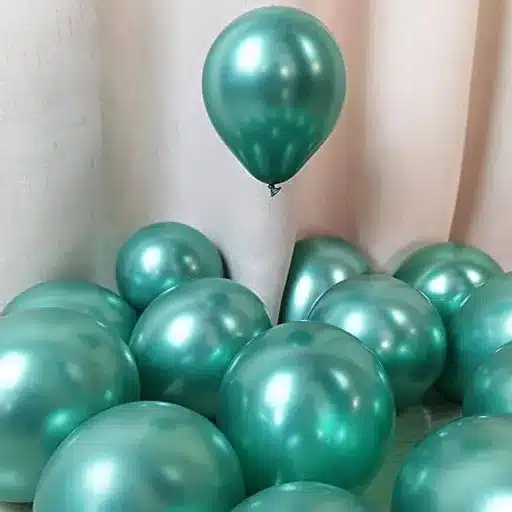
The lifespan of balloons filled with air against balloons filled with helium can differ greatly depending on their material and gas properties. Balloons filled with air are the ones that usually last longer than helium balloons and the length of time can be anywhere from a few days to weeks if the balloons are stored in good conditions. This is the reason why the air’s molecular structure takes much longer to permeate through the latex material than helium, which is made up of smaller and lighter molecules.
Balloons filled with helium are, however, extremely susceptible to deflation. Generally, the life of balloons made of latex filled with helium is only about 8-12 hours, while balloons made of foil filled with helium may stay up for 2-5 days based on normal conditions. Besides the above-mentioned factors, there are also temperature, humidity, and exposure to the sun that impact their lifespan. An example is hot weather, where the helium expands, and it is also released at a faster rate, leading to rapid deflation of the balloon.
Regular Air Usage Benefits
- Cost-Effective: Regular air is free and eliminates the need for expensive helium
- Extended Longevity: Air-filled balloons last several days or weeks compared to 12-24 hours for helium
- No Special Equipment: Unlike helium, air requires no special handling equipment
- Versatile Decorations: Perfect for balloon arches and garlands without requiring weights
- Environmental Benefits: Easier to secure and reuse, minimizing accidental release
- Early Preparation: Allows event organizers to prepare well in advance without deflation worries
The filling of balloons with regular air is associated with several benefits that can be summarized as convenience and cost-effectiveness. Helm and very expensive helium can sometimes require special handling equipment but regular air is a free resource that can eliminate extra costs. This makes it an attractive option for event planners who have limited budget boundaries.
Tips for Extending Balloon Life

Using Hi-Float for Longevity
Hi-Float is a multi-purpose remedy that helps to keep the helium of latex balloons for a longer time by coating the inside of the balloon with a protective layer. If it is properly applied, it may very well reduce the rate of helium escape, which results in the floating of balloons for longer and in their retaining of high visual quality for a longer time.
Research and manufacturer data point to the fact that untreated latex balloons usually float for 12-24 hours when filled with helium; however, with the treatment of Hi-Float, they can float for 3-10 times longer, depending on the environment. A report by leading party supply vendors in 2023, for instance, stated that the average treated balloon remained in a buoyant condition for several days, some even lasted more than a week when kept in the best conditions. This floating time increase has been very useful for big events, parades, and long-lasting decorations.
Environments that are most suitable for the storage of balloons
The quality and lifespan of balloons will surely be affected if the storage conditions are poor. And this is especially true for treatments like Hi-Float that are meant to prolong the life of balloons. Sunlight is one of the most important factors to be avoided when storing balloons, as one major effect of UV rays on balloon material is the degradation of the material, hence the brittleness and eventual breakage. The best temperature range for balloon storage is between 68°F (20°C) and 72°F (22°C) with the lowest humidity (preferably below 55%) to keep moisture-related degradation from occurring.
Extreme temperature changes can cause latex balloons to react in different ways. For instance, if the temperature increases too much, the balloons may burst due to expansion; if the temperature drops too low, the balloons may crack. If you do need to keep balloons for a long time, it is best to put them in sealed, airtight containers so that they do not get exposed to oxygen, which is a factor that speeds up the breakdown of natural latex.
Optimal Storage Conditions
- Temperature: 68°F (20°C) to 72°F (22°C)
- Humidity: Below 55%
- Location: Cool, shaded area away from direct sunlight
- Container: Sealed, airtight containers for long-term storage
Creating Stunning Balloon Arches
Best Practices for Balloon Arch Longevity
- Select Balloons of Superior Quality
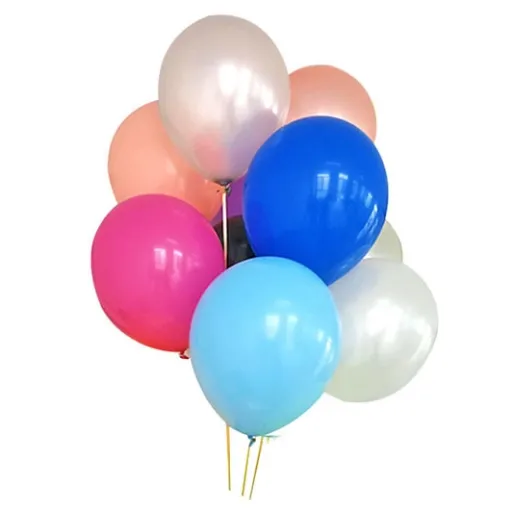
To minimize the chance of popping or deflation, choose at least latex or foil balloons from well-known brands. According to recent research, high-quality balloons can endure as much as 30% longer than lower-priced ones. - Pre-Treat Balloons so as to Lengthen Their Life
Hi-Float, for instance, is a product that can be used inside latex balloons before they are inflated to make helium escape slower and thus prolong the balloons’ floating period. The helium-filled balloons may last for several days longer than normal if this method is applied. - Stay Away from Sun and Heat
Balloons that are in direct sunlight or close to heat sources may pop due to overheating. On the contrary, they might lose the air inside them when the temperature drops. If possible, place the balloon arch in the shade or in a cool spot during outdoor events.
Using Twist Techniques for Strength
The incorporation of twist techniques is one of the most efficient ways to strengthen the stability of your balloon arch. Twisting balloons together produces a stronger tie and thus inhibits slippage at the arch’s point of support. The double-cluster method is a particularly effective way; it consists of twisting two pairs of balloons into a quad and then repeating the operation to chain together more clusters, thereby forming a tight and sturdy formation.
Professional decorators frequently employ the “figure-eight twist” method for balloon fastening, as per the latest statistics. This technique evenly disperses the tension and minimizes the risk of deflation. To achieve the best results, use uniformly sized 11-inch latex balloons and tie them with 20–30 lb fishing line to ensure greater strength. The combination of twist techniques and high-quality materials has been found to increase the lifespan of balloon arches by as much as 40%, thus making them a very good option for prolonged events or outdoor locations.
Reference Sources
-
Chaoee.com
- Article: How Long Latex Balloons Last with Regular Air
- This source discusses the lifespan of air-filled latex balloons, mentioning that they can stay inflated for several days or even up to a week.
-
Party On Butler
- Article: How Long Do Helium Balloons Last? Tips for Balloon Decor
- While focused on helium balloons, this source provides insights into balloon longevity and care, which can be extrapolated to air-filled balloons.
-
Bargain Balloons Support
- Article: HI-Float and Air-Filled Latex Balloons
- This source explains the factors affecting the lifespan of air-filled latex balloons, noting that they can last several weeks under average indoor conditions.
Frequently Asked Questions (FAQs)
How Long Balloons Filled with Regular Air Last?
The lifetime of air-filled balloons can be from just a few hours up to several days; it depends on different factors like materials, sizes, and environmental conditions. Latex balloons generally have a longer lifetime when they are kept indoors in a cool and dark place but, an outdoor environment may inflate them faster due to heat and sunlight.
How Long Will My Balloons Stay Inflated?
The lifespan of regular air-filled balloons is usually longer than that of the helium ones. Air-filled balloons can stay inflated for a period ranging from 1 to 3 days on average. The cool environment will help increase the lifetime of balloons while heat exposure will drastically decrease their lifespan.
What Factors Affect the Longevity of Latex Balloons?
There are a number of factors that can determine how long latex balloons will last. Among them are the quality of the balloons, their size, and how they are inflated, and environmental conditions such as temperature and humidity. To get the best outcome, make sure that your balloons are not over-inflated and that they are not near sharp objects that can cause them to burst.
Can Balloons Be Used for Balloon Decoration?
The answer is yes; balloons for decoration purpose are very much in demand during special occasions. They could be used for making beautiful balloon arches, centerpieces, and other decorative elements. If you want your balloon decor to last longer, it would be best to use high-quality balloons and have them in controlled indoor conditions.
How Can I Prevent My Balloons from Losing Their Shape?
The best way to prevent balloons from getting deformed is to keep them away from extreme temperatures and sharp objects. Moreover, using Hi-Float and similar products can help to seal off the air, thus prolonging the lifespan of air-filled balloons and keeping them inflated for longer periods.
Key Takeaways
Understanding how long latex balloons last when inflated with regular air empowers you to plan better events and create stunning decorations that remain vibrant throughout your celebration. By following the best practices outlined in this guide—from selecting quality materials to optimizing storage conditions—you can maximize balloon longevity and ensure your party decorations look their best from start to finish.