
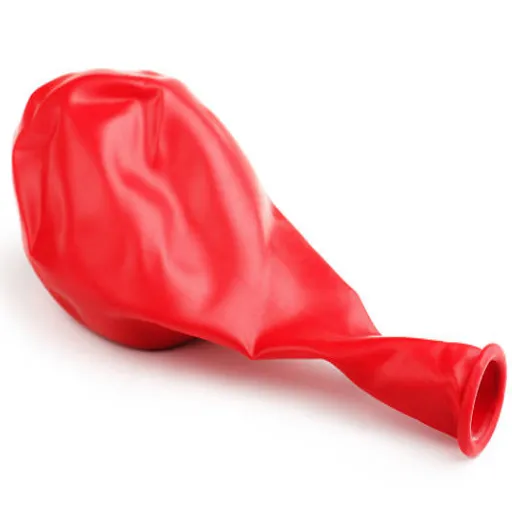
While some may view the deflation of a balloon as an unremarkable process, there is quite a bit more complexity and importance to the relevant physics of pressure, elasticity, and energy transformation. This paper attempts to provide an understanding of the deflation of a balloon at a higher level of detail, without resorting to every day wisdom or scientific instruments. With the focus specifically on such factors as air pressure differences, materials elastic limits, as well as aspects of thermodynamics- we will bare the process operating on, not only the dynamics of how the particular activities take place, but it’s implications as well. Its use from the perspective of fancies and material distortions to energy issues makes this topic interesting though stylishly simple. Venture along as we provide the physics and utility of the balloon deflation effect.
The Science of Balloons
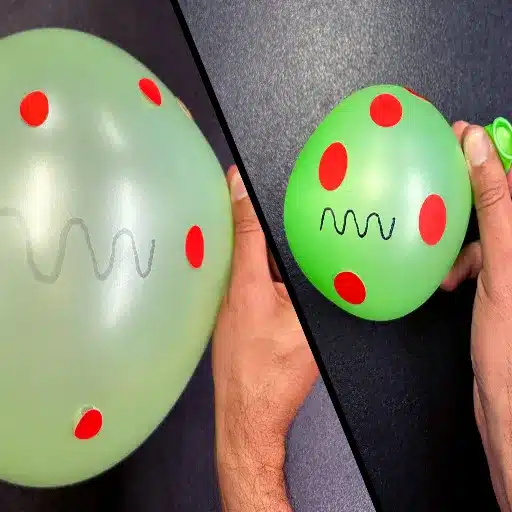
What is a Balloon Made Of?
Balloons are mostly made of flexible polymeric materials, and the most commonly used varieties are natural, (e.g., latex) and man-made rubbers. Natural rubber is an organic compound naturally found in planta which is tapped and formulated into a stretchable compound. The compound’s molecular structure is comprised of polymeric molecules forming long chains that can stretch with ease and return to their original shape once air is inflated. Whereas neoprene and in some cases polyurethane may replace natural rubber as synthetic rubbers in case of special balloons due to their large tolerance capacity to environmental conditions like temperature and sunlight.
The Role of Helium and Air in Balloons
Unlike air, which is mostly composed of nitrogen and oxygen gasses, a little portion of helium stays in the atmosphere. Helium is lighter than hydrogen and can be inflated inwards, overcoming its negative problem of flammability. It allows use to lift an object to higher heights. That is why many lighter than air gas balloons, gas filled objects that float in the air- aerostats, and helium-filled toy balloons are made with helium gas where possible. Its stability. In the opposite, the stability posses is useful particularly in the lift zone close to combustible materials or when one is using the stitching and the welding technologies.
However, the air is available almost everywhere and is much cheaper. The composition of air is mainly nitrogen and oxygen, so it is very low buoyancy, i.e. the balloons, will not fly and even though the ropes are extended, they will still stay on the ground. With this in mind, air balloons stay in the exact same shape for the longest possible duration as in the way of air and keeps it from leaking out as quickly as helium. Although it may be likened to helium-filled balloons, it should be noted that such balloons must be designed larger to account for the faster rate of helium diffusion due to helium’s smaller molecular size. Thanks to the benefit above, one can easier adopt the desired fluid based on functional purposes and weighing such factors as loft performance, safety, economy etc.
Understanding Pressure and Volume in Balloons
The way in which the pressure and volume of an inflated balloon vary can be simplified or explained by the principle of Boyle’s Law which in turn literqarily translates that the pressure of the confined gas is directly proportional to the pressure of the balloon. This signifies that as the size of the inflatable envelope packed or stretched with air greatly increases such that the volume occupied by the elastic container expands, inflation occurs but such a process is viewed via the conserved state of temperature and thus pressure decreases. Nevertheless, physical balloons present a more complicated situation involving additional factors such as skin elasticity and atmospheric pressure.
When materials like latex undergo elastic deformation, they build up internal stresses that can cause a nonlinear dependence on the applied pressure. You see, the rubber responds to the load of the expanding balloon a little more stiffly as its volume reaches its maximum as a result of its inner energy. Pressure that acts from outside has affecting factors effected by pressure which occurs as the bending altitude changes. Balloons further inflate at high altitudes where atmospheric pressure is lower than at sea level. This process involves rational combination of the gas behavior, elastic properties of the material, and the complementary environment. For Example evaluation must be performed for such applications like instrument lifting balloons or high altitude weather balloons.
How Balloons Deflate
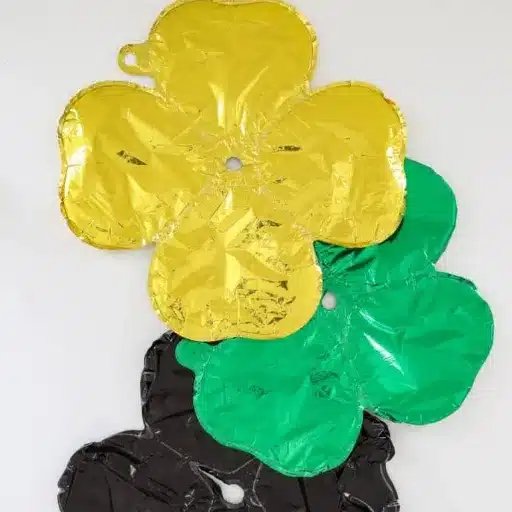
The Process of Air Escape in Balloons
Balloon deflation is the result of numerous factors all of which entail material’s and environmental properties as well as gas dynamics. However, the most important reason is the basically the condition of the balloon material. Rubber and latex are the materials often found in balloons and such materials are characterized by minute flaws that occur naturally, and these in turn permit a mixture to release over a period. The rate of gas penetration can also be observed when specific considerations are taken into account; the nature of gas present in the balloon, for instance, the period at which the balloon with smaller molecules such as helium leak gas is much longer compared for a balloon with larger molecules.
Nonetheless, in dealing with balloons, another problem that may be considered is the occurrence of changes in the temperatures. Basically, high temperatures help the gas particles in balloons by increasing their kinetic energy, which accelerates diffusion in the material, whereas lower temperatures inhibit molecular activity and decelerate deflation. Additionally, to exacerbate gas discharge, the pressure difference in the other places of the balloon such as the inside and out can be exploited; high internal pressure creates larger differential pressure which in turn forces the gas even more to pass through the material.
Factors Affecting Balloon Deflation
How fast the balloon deflates after being inflated is greatly influenced by what it is made up of. Natural rubber, which is the material found in most balloon products, has porous structures that allow tiny particles to escape much more quickly when filled with gases like helium. Unlike natural rubber, Mylar which is a polyester material, has a very compact packing of its molecules. As a result, it conserves gases very efficiently. The achievement of polymer formulations with enhanced gas diffusion characteristics and reduced gas permeability is mostly due to such composites. These materials have gained popularity in industrial applications where precise regulation of interior pressure is accomplished. As an additional factor, such gas containing properties may similarly effect the gas enclosed within the balloon; for example, some gases may cause alterations in the material resulting in its weakness occurring slowly. Once the constituent components of material are understood, right selection can be made in respect of utilization of the material.
Common Misconceptions About Deflating Balloons
Busting the myth that deflating balloons results only in size reduction, there are some other effects too which help decrease the say the size of the balloons. These other considerations are quite important to have. As a balloon with deflates the pressure drops, and this in turn changes the configuration and may stretch the balloon thus more internal wrinkles on the surface of the balloon. Another popular notion is the myth concerning bulletin boards is deflation and how at what rate it takes place. In the case of articles this is often directly related to the size of the opening or nozzle but in situations such as those of compressed gases, other factors come in to play including the kind and temperature of the gas in the balloon as well as the atmospheric pressure. Lastly, there is another idea that all people have that is that during the deflation of any gas, all gases will behave in the same manner. The argument is that during the embolization of gases, other gases would rise to the upper parts of the cylinder gathered there. The argument is economically correct but physically wrong. For instance, the lighter gases such as Helium will gone faster than the heavier gases because of their mollecular size properties…eos. This is because there are transport processes occuring in the porous structure of the membrane material of any NCG containment vessel and their barriers. These processes are called the processes of diffusion and permeation. If these nuances are well understood then actual balloon use can be implemented more correctly both in experimental conditions and on a daily basis.
Foil Balloons vs. Latex Balloons
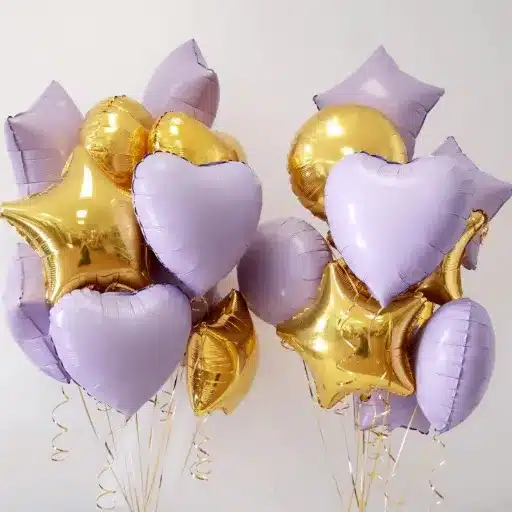
Differences in Materials and Their Effects
Foil and latex balloons vary based on their structural differences, thus affecting the realization of their distinct properties. This is due to the fact that even though foil balloons are made from some form of polypropylene film, it is not perforated rather metalized. This might also be as a result of its low permeability that reduces the rate of diffusion of helium or air hence the ability of foil balloons to maintain their enlarged form for a longer time normally more than a week even in the ideal of situations. Being less elastic however makes them less stretchable and less vulnerable to tearing especially in comparison with natural latex.
On the flip side, latex balloons are manufactured from either natural or synthetic latex, a type of material that is both soft and stretchy using a blend of chemical elements. Even though this flexibility enables latex balloons to reach large measurements, this functionality has been obtained at the price of increased permeability. The molecules or atoms of helium are so small that they pass easily through the rubber, causing the balloon to lose lift and come down within a time frame of about 12 to 24 hours unless they are treated using special sealants to improve shelf life. Moreover, latex balloons can be subject to decay easily wearing off with exposure of environmental elements like heat and moisture, while on the other hand foil balloons are difficult to wear off for the reason that they are composed of synthetic materials.
Some key factors determine the best occasions to use one over the other. In long-withstanding events or those that are quite specific in design, foil balloons tend to shine the most due to their ability to easily hold complex shapes by maintaining their original inflation levels. On close scrutiny, it is also reasonable to hold that latex balloons perform better in such family budget friendly maneuvers as balloon arch or any other which is not to last long after grocery purchase. You know why it becomes important to know all this; the right balloon has to be chosen for the right application whilst considering all its strengths and weaknesses and the environment in which it is going to be used and how well it is going to serve its purpose.
Why Foil Balloons Hold Air Longer
It is the material’s configuration that influences how long the air stays within a foil balloon. The construction of a foil balloon include a thin flexible plastic, typically polyethylene, with the two sides backed with one or more layers of metal, particularly aluminum. Such balloons are almost gases and air tight, as only a thin film of the plastic covers the outer surfaces of the metal. In this effect, the rate of gases being lost to the outer flu is reduced thus preventing helium and air from fanning out rapidly unlike latex which is porous. The smooth shiny metallic finish on the surface of the plastic coated bag also helps in prohibiting gas from leaking through the material by preventing the existence of possible paths that might expel the air. Also they are handly sewed instead of tie sewed at the seals, again produce a better seal. This is further combined with other risk factors that make self-inflating plastic bags to maintain their structures, thereby blowing up for one or several days, weeks even months provided the environment has optimal conditions like temperature and humidity for such inflatables. Therefore, it is not surprising that this specific plastic foil is often used in long-lasting decorations of events.
How to Properly Deflate a Foil Balloon
There are no stories written in the foil balloon, before which time of its deflation, it is necessary to adhere to the system and considerate process, to avoid getting an ugly foil balloon that has a lot of our money and will be making more statements prematurely uninvested. The first step is to recognize the valve or the inflation point, which is situated at the end of the balloon’s neck as opposed to the decorations that are smaller than the balloons. Gently with the balloon, narrow a small neck to obstruct the flow of the gas and Squeeze and then perforated the narrowest part of the valve opening. Get a narrow, thin edged straw with the least friction and position it inside the valve, which should be blocked by a tube that allows air to pass through. This sport entails a candidate who has the ability to aim, as it cannot be aimed at the centre to avoid any damages to the bouncing material.
Once the straw is positioned correctly, you should gently hold the balloon by one side and push on the inflated part of the balloon to gradually force out air. You should be careful and apply just the right amount of pressure though as too much pressure can distort or rip the foil. Deflating is not instantaneous where bigger balloons are concerned and candles must be appreciated. Piercing the balloon along the flat surface will make it completely eliminated, then you can take out the straw and fold the balloon at the fourths of each color for easy storage. Careful handling in the removal of air helps the balloon in losing air but retaining its strength to be used in other occurences.
Practical Applications of Deflating Balloons
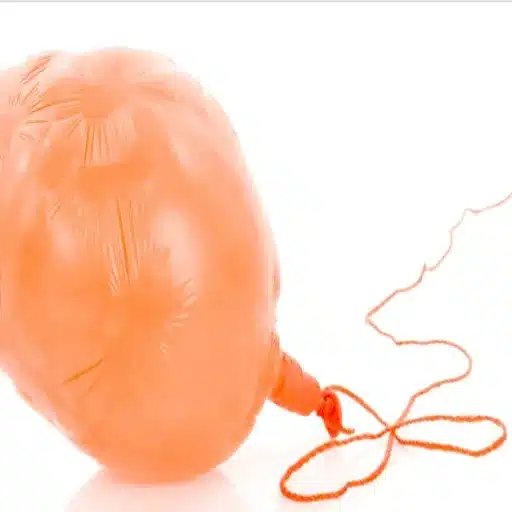
Using Deflated Balloons in Crafts and Decorations
Scraps of broken collectible balloons can be used for many activities in the crafting world. They can be cut and shaped as desired using extra decorations, after which, they are kept in usable form. As pointed out, for example, different shapes of deflated balloons can be cut and reshaped as colorful bows, decorative garlands and funny fringes. With their extendibility, they fit into quite a number of objects such as candle holders, jars, to help in scotching designs or repenting patterns. Including that as mall ones are perfect pieces for decoupage, where there are solid or even bits of cut – colored papers that are pasted in layers to a surface to create a design. Solvent – based adhesive allows the decorations to be returned, without the said decorations, and therefore this mitigates the effect on the onetime wares and the relics of the etiquettes. With the best clients, one is able to reach even better prices. Nonetheless, it is quite possible since it can be equated to conventional retail projects. Permission of the franchisee to use the gun only inside the shop is granted. The most important basis for classifying the form of sales of the said item are the margins of the company together with average ticket prices alongside of the other products.
Environmental Considerations of Balloon Disposal
Poorly disposing balloons into the environment is a problem because it can be harmful depending on the level of connection between wildlife and time it takes for balloons to decompose. The decomposition period of latex balloons may extend to up to two or more years due to the effects of the elements involved, with foil or Mylar dependent counterparts, made of materials designed with less possibilities of returning to the environment. Circumstances where these items are not disposed of properly, results in such materials pyrolyzing and moving to the land and water where they get to be environmental hazards for the animals. The animals might confuse small bits of balloons with food and eat them, which may in turn lead to suffocation, malnourishment, or fatalities of the animals.
Furthermore, balloon releases are another cause of environmental degradation that often occurs during celebrations and can lead to significant pollution along with littering; because the litter created by such releases—balloons and their strings—can be carried over far distances and thrown near environmentally sensitive sites. Along with damage to the marine environment, non-biodegradable items made up of plastic ribbons and artificial strings, usually attached to the balloons, worsen as they cause them to be harmful to aquatic animals and lead to adverse effects to the plastic itself. Ways of decreasing these negative effects include adopting biodegradable balloons, enforcing the use of tethered balloons, or devising a method of using flags or other decorative items made of sustainable materials instead of the balloons.
One solution is more education on the best ways to prevent pollution, combined with the shift to the harmless manners of resource usage. As an instant the latex can also necessitate being punctured and is made smaller before throwing resulting in the less probable wildlife harm in case of their escape to the naturalistic areas. Deploying such tactics locally in the organization and planning of events services can most importantly lessen the damage caused by use of Henry balloons.
Innovative Uses for Deflated Balloons
Despite the fact that balloons that have lost their buoyancy are generally looked at as ‘useless’ and a waste, there are several ways that they can find applications meaning that fewer such cups are going to get disposed of. For example, cut out shapes of deflated balloons in small pieces can be put to use in art and handcraft activities, say, for pasting on collages and for making ornaments which can be partially made into trinkets. Lion stretched necks can also be used in the storage of other soft materials without the need to modify them.
Gardeners in their practice can utilize pieces of old balloons as plant ties, which are gentle to the stands and light in weight but strong enough to provide support. Also, in academic and recreational environments, these un-inflated balloons can be turned in to various kinds of experiments or demonstrations which include working out how some elementary theories of elasticity and materials work. Just modulating such oriented some improved measures on how to manage balloons waste and at the same time encourage the individuals to be innovative so that the sustainability issue can be comprehensively addressed.
Safety and Best Practices
Safe Handling of Deflating Balloons
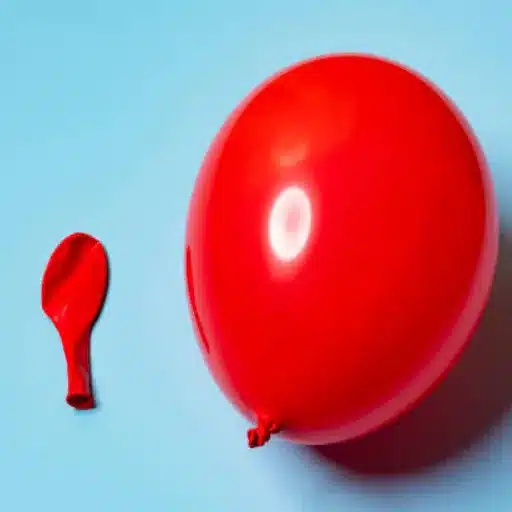
When dealing with deflated balloons, I make it a point to take extra care to make sure everyone’s safety is guaranteed and at least minimise the occurrence of risks to the nature and human body. For starters, I ensure all remnants of balloons such as latex pieces or foil, are picked up nor accessed by children or even their playmates in the house. Disuse fragmentation tends a risk to children who may try to suck on the balloons when playtime is over which explains the need for proper disposal. I make a habit of not burst balloons suddenly for the same reasons because it makes little bits to go all over the place and it becomes harder to pick the bits up. Instead, I make a small hole on the balloons to deflate them very slowly to avoid the release of little bits.
Moreover, it is always important for me to separate balloons which are easy to degrade—that is typically natural latex balloons made from biodegradable plastic—and balloons which are difficult to degrade—that is, plastic balloons made from a particular kind of plastic called Mylar which does not rot. If the latex balloons are bio-degradable, and they are prone to rotting, they should be thrown away discreetly or deflated to avoid suffocating animals. For the non-biodegradable materials, there are recycling services that should be used in disposing them properly. By these practices, waste segregation and recycling, I help in reducing my carbon/printing footprint/impact on the environment.
Lastly, I am cognizant of the fact that these balloons may possibly increase the amount o f chemicals and dyes in the soil or water bodies in case they are dumped. To help take care of the situation, I keep all materials of the balloons in bags whenever I need to dispose of them in the allocated containers. By doing this, I can assess the impact o f the balloons, and in particular of the burst pieces, on the environment. Such measures and approaches relive the fear of popping the balloons in a responsible and safe manner.
Preventing Accidents with Deflated Balloons
One of the many ways I prevent deflated balloon related accidents, is to ensure that the improper disposal of balloon remains, as well eliminate hazards that are possible from their disposal. It is with this knowledge that, the risks that come with these balloons, especially those made of rubber or foil as some may have it, in case of them falling will pose a threat to children, animals and the natural environment. Balloons leftovers may be potential health hazards to children and animals as parts of these products can easily be swallowed hence causing either choking or blockages, such situations require immediate medical attention. Balloons furthis worsening from such use includes proper disposal and picking up the bits of the deflated or destroyed balloons as soon as possible, looking carefully, if there are hidden pieces in the surroundings.
I consider another crucial step when I store unused balloons in safe place where children and pets cannot gain access to. This in turn minimises the risk of involuntary hot air balloon with helium: A shock factor is rear if there is any, with unwanted sudden environmental disturbances. Hence, whenever I release unwanted balloons, I always tear the big bits of them into small pieces to avoid torturing animals. It is well known that the remains of balloons are eaten by aquatic and land animals quite often and they generally can constrict an animal’s digestive system as they are mistaken for food. I also conserve these fragments in a hardy bag that can vouch for the waste recyclable not be drawn into circulation once more.
Lastly, I keep track of developments in the field of new less hazardous materials, preferring to have only eco-friendly or perishable party accessories like balloons or décor. Progress in the realms of green technology means people don’t have to buy globes of the plastic kind when celebrating and, as a result, projects protecting stretched resources have been counted. Singling in several features of the activity, I participate in the search for answers to the issue of environmental safety, particularly those related to balloon fragments, in order to protect the people and the environment at a large scale.
Best Practices for Recycling Foil Balloons
It is very important to handle foil balloons with care when it comes to recycling. They also go by the name of Mylar balloons. The nature of their material makes acting responsibly when dealing with them an absolute must. Unlike latex balloons, foil balloons’ structure is made out of plastic and coated with metal, hence they are unable to degrade irreversibly, however most of the times they can be recycled within the established infrastructure for plastic. In the meantime, I carry out the task of making all the air or helium inside the balloons minimal before they are thrown out for recycling. This not only eases the process of handling those items but also avoids potential destruction to recycling devices.
During the following period, I have to initially contact the recycling department in the neighborhood in order to see if foiled balloons are collected at the door or must be delivered to a center. Will worse then other similar materials are generally put in the same category for instance intermediate plastics or metallic containers. If local recyclers say it is wrong, then another way will be, which is by using special carriers for the recycling program of Mylar made products. Such recycling programs allow the treatment to be taken in place at the same time it is the region of the balloon getting probably forgotten and is being filled with unwanted things.
Also, it is a common practice for me to come up with ways in which I can utilize foil balloons again before throwing them in the recycling bin. Those balloons could be remade into a gift bag, used for creation of artistic materials and could even be used as decorations for a different occasion. I also take advantage of reusing the products to avoid the adverse effects of the products as much as I can. Knowing about the correct disposal methods, restrictions of the nearby recycling plant and being aware of the green policies make it easier to handle such resources and fulfill the mission of promoting environmental friendly capabilities.
Reference Sources
- Spheres – Explores the behavior of balloons in near-space conditions, touching on physics concepts.
- WCER Working Paper No. 2011-5 – Discusses the use of balloons to teach key physics concepts like motion and friction.
- Inflate, Deflate, Generate: The Development and Testing of a Submerged Deformable Membrane Wave Energy Converter – Includes research on elastic materials like balloons in applied physics experiments.
Frequently Asked Questions (FAQs)
How can I insert a tube to pierce the foil balloons for reuse on another occasion?
Deflating foil balloons can be as easy as slowly threading a straw through the valve and then applying pressure on it to facilitate release of the air from the balloon. Ensure that the cardboard straw is properly placed in the valve especially without tearing the intervening foil or even the joint. Push around the straw against the balloon so as to help the air exhalation to be less powerless, without overwhelming force. After all the air is withdrawn, the deflated balloon can be collapsed and A a piece of sticky tape can be footer side to close the valve and keep the balloon deflated. This strategy plays a crucial part in ensuring foil balloons are recycled and can be used in organizing other related events and parties in an advantageous way.
Disposing of foil balloons by folding and keeping them for use as another balloon for the next occasion, is that even possible?
Certainly, most foil balloons can be reused multiple times, subject to the proper deflation and care while folding for storage. If you need to store the balloon after releasing the air, use a straw or gently press the valve to release the air. Once that is done you can flatten the balloon and make natural creases, thereby avoiding re-newal of point-stressed sections. For prolonged periods of storage, it is safer to keep your foil balloon in a plastic envelope until the next bash comes up (Hussey 16). Reusable bags are quite cheap, eco-friendly and save you at least 350 bags a year, enough to cover up all multiple weddings!
How to deflate the balloon through the available valve without causing damage?
Begin by locating the release valve and squeezing the straw or valve to start the air-flow and try avoiding target practice to not disturb the balance of the hand. Based on who inflated the balloon either using a balloon pump or one’s breath to the end the Reducing pressure portions will be either the blowing in of only some air but not all and the valve will still be in something else other than being removed. While gradually sucking out air from the balloon undertaking the simplest of contrivances starts by emptying one side of the balloon, starting from its organized end closest to the balloon’s valve. Once almost all the air has been let out, pack the toddler which has been completely collapsed where the temperature is reliable in preparation for later use. This one will not be easy, but with tits and bits of information, it is possible to save and recycle foil balloons in parties in the future.
Are there any quick and uncomplicated methods of saving and re-using foil balloons in social festivities?
Deflating a balloon is though faster but takes longer than for it to inflate. The guide on how to do so is as follows. Push a fork into the valve of the balloon to carefully let the air out, once the balloon is flat, wrap it up and place it in a plastic bag or a box. Make sure to mark the box accordingly and shield the balloons from sharp edges so they don’t get torn. Such easy steps allow for the effective future use of the balloon. The more balloons you save and reuse, the less waste accumulates and the more money benefits the event.
Which actions can I undertake being in the balloon sphere, so that all of them are dry and safe?
Care should be taken with the inflated area and the area of the valve balloon when deflating, as inappropriate pressure points can be established and the material can be torn. For instance, in order to prevent unnecessary unpredictable folding of the foil, a straw is pressed to the valve or air is released from the valve by a slight vise made by fingers. After being deflated, the enhanced foil should be creased and, again, no undue force should be used to press because such pressure may cause loss of strength of the foil in the long run. To safeguard the balloons from dust and other undesirable items, the folded balloons are preferably enclosed in plastic sleeves or a storage box Constructing these steps allows a person to keep these beautiful balloons intact for more festivities in the future.